The morning ritual is not merely a meal; it is a structural engineering challenge that begins twelve hours before you even smell the coffee. Forget the soggy, uninspired mush of your childhood. We are discussing the architecture of satiety. When we analyze the Overnight Oat Infrastructure, we are looking at a complex matrix of starch gelatinization and cold-liquid diffusion. The goal is a texture that is silky yet resilient, a mouthfeel that provides a structural snap without the abrasive edge of raw grain. Imagine a vessel where the viscosity of high-fat dairy or nut milks meets the fibrous integrity of rolled groats. This is a high-stakes deployment of hydration kinetics. If your ratios are off by even five percent, you risk a hydraulic failure that results in either a parched, chalky brick or a watery, structural collapse. We demand precision. We demand a breakfast that has been curated through rigorous environmental exposure. This is the audit of your morning efficiency, rebuilt from the grain up.
THE DATA MATRIX
| Metric | Specification |
|---|---|
| Prep Time | 8 Minutes |
| Execution Time | 6 to 12 Hours (Passive) |
| Yield | 1 Standard Unit (approx. 450g) |
| Complexity | 2 / 10 |
| Estimated Cost per Serving | $1.45 USD |
THE GATHERS
Ingredient Protocol:
- Old Fashioned Rolled Oats: 90g / 1 cup
- Whole Milk or Oat Milk: 240ml / 1 cup
- Greek Yogurt (Full Fat): 120g / 0.5 cup
- Chia Seeds: 12g / 1 tbsp
- Maple Syrup or Honey: 15ml / 1 tbsp
- Sea Salt (Fine): 1g / 0.25 tsp
- Vanilla Bean Paste: 5ml / 1 tsp
Section A: Ingredient Quality Audit:
Sub-par raw materials are the primary cause of infrastructure failure. If your oats are "Instant" or "Quick-Cook," the thinner flake will over-hydrate and lose all structural integrity, resulting in a gluey paste. Fix: Only utilize Old Fashioned Rolled Oats for their thicker cross-section. If your liquid component tastes "flat," it likely lacks acidity or salt. Fix: A pinch of sea salt is non-negotiable to infuse the grain with flavor. If using plant-based milks, ensure they are emulsified properly; separated almond milk will lead to an uneven, watery top layer. Use a whisk to homogenize the liquid phase before introduction to the solids.
THE MASTERCLASS
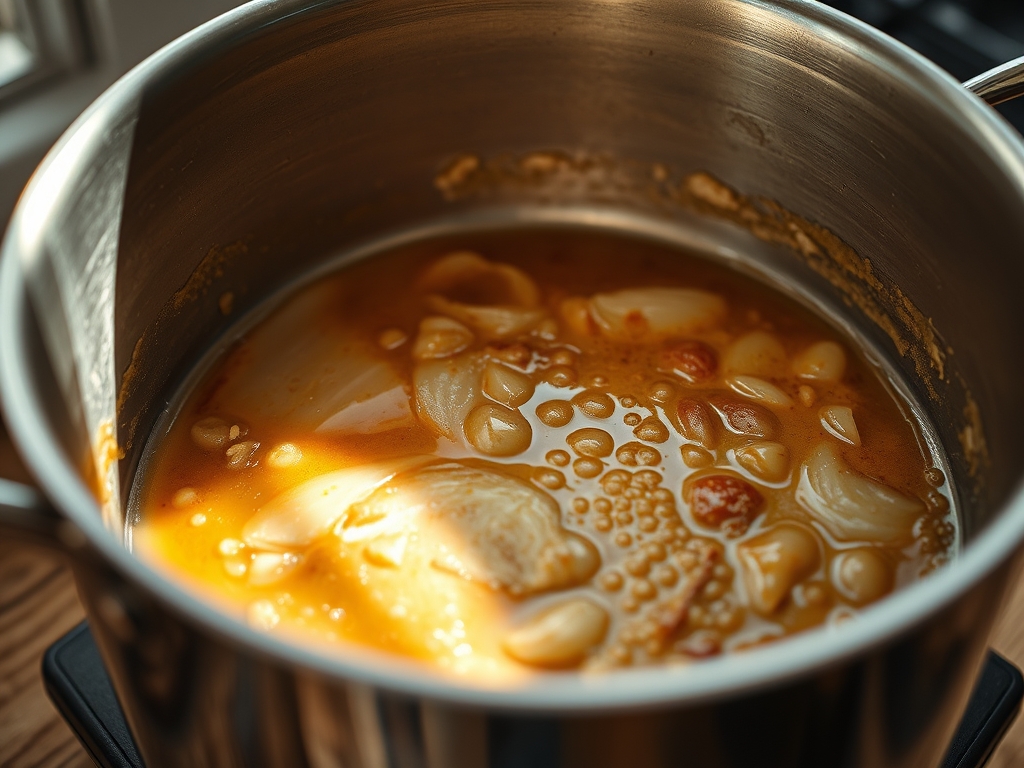
1. The Volumetric Calibration
Begin by placing your glass vessel on a digital scale and taring the weight. Accuracy is the enemy of mediocrity. Add your dry oats and chia seeds first. The chia seeds act as the secondary structural support, absorbing up to ten times their weight in liquid to create a viscous gel that suspends the oats.
Pro Tip: Use a bench scraper to tidy your station as you work. The science here is "interstitial spacing." By mixing the dry seeds and oats first, you ensure the chia doesn't clump when the liquid hits, allowing for even hydration across the entire matrix.
2. The Liquid Phase Integration
Pour your chosen milk and yogurt over the dry base. Use a small saucier whisk or a long-handled spoon to agitate the mixture. You are looking to aerate the yogurt slightly as it incorporates, ensuring there are no pockets of dry flour at the bottom of the jar.
Pro Tip: Temperature control is vital. Using chilled milk slows the initial enzymatic breakdown of the starches, which preserves the "bite" of the oat. Professional kitchens utilize cold-soaking to maintain a superior glycemic index compared to heat-treated porridge.
3. The Flavor Infusion
Add your maple syrup, salt, and vanilla bean paste. The salt is the catalyst; it breaks the surface tension of the water molecules, allowing the sweetness to infuse the very center of the oat flake rather than just coating the exterior.
Pro Tip: If you are adding spices like cinnamon, treat them as hydrophobic powders. They require vigorous mechanical agitation to stay in suspension. A digital scale ensures your sweetener levels remain consistent across multiple meal-prep units.
4. The Compression Seal
Wipe the rim of your container to ensure a perfect vacuum. Seal the lid tightly. This prevents the absorption of "fridge smells" (onions, leftovers) into the fat-rich yogurt component. Place the unit in the rear of the refrigerator where the temperature is most stable.
Pro Tip: The "Rear-Fridge" placement is a thermal strategy. Frequent door opening causes temperature spikes that can lead to premature fermentation of the dairy. Keep your infrastructure in the cold-zone for a stable 4 degrees Celsius.
Section B: Prep & Timing Fault-Lines:
The most common human error is the "Short-Soak." If you attempt to consume the oats under the four-hour mark, the center of the grain remains lignified and difficult to digest. Fix: Minimum hydration time is six hours. Conversely, exceeding 48 hours can lead to a "mush factor" where the fibers begin to dissolve. If you miss your window, add a handful of fresh, dry oats or nuts just before eating to restore the lost mechanical texture.
THE VISUAL SPECTRUM
Section C: Thermal & Visual Troubleshooting:
Observe the Masterclass photo: Note the distinct layering and the lack of "pooling" liquid at the surface. If your oats appear dull or grey, you have likely omitted the acid or salt. A bright, vibrant appearance is achieved by adding fresh fruit only after the soak. If you see uneven browning on the fruit, it is an oxidation issue. Fix: Toss fruit in a light lemon juice solution to render the enzymes inactive before topping. If the mixture looks "cracked" or dry on top, your seal was compromised; simply stir in 15ml of fresh milk to re-hydrate the surface layer.
THE DEEP DIVE
Macro Nutrition Profile:
A single audited unit provides approximately 380 calories, 15g of protein, 45g of complex carbohydrates, and 10g of fiber. The inclusion of chia seeds adds a significant Omega-3 fatty acid profile, essential for cognitive function during your morning operations.
Dietary Swaps:
- Vegan: Replace Greek yogurt with coconut cream and use soy or pea milk for a similar protein density.
- Keto: This is difficult given the oat base, but one can swap 70% of the oats for hemp hearts and sliced almonds to lower the net carb count.
- GF: Ensure oats are certified "Gluten-Free" to avoid cross-contamination during the milling process.
Meal Prep & Reheating Science:
While designed for cold consumption, these oats can be heated. However, heat will cause the chia gel to thin and the oat starches to further gelatinize. If reheating, do so in a small saucier over low heat, adding a splash of liquid to maintain the molecular structure and prevent the bottom from scorching.
THE KITCHEN TABLE
Why are my oats still crunchy after eight hours?
You likely used "Steel Cut" oats instead of "Rolled." Steel cut grains require a heat-treatment or a 24-hour soak to soften the outer bran. Stick to rolled oats for the standard eight-hour infrastructure.
Can I add frozen fruit during the prep phase?
Yes, but be wary of the "bleed." Frozen berries will release excess water as they thaw, potentially thinning your viscous base. Reduce your milk input by 10% to compensate for this added moisture.
How long does the infrastructure remain stable?
For peak texture, consume within 48 hours. While safe for up to five days, the oats will eventually lose their structural "snap" and become increasingly soft as the cell walls of the grain continue to break down.
Is the salt really necessary for a sweet dish?
Absolutely. Salt acts as a flavor bridge. Without it, the sweetness of the maple syrup remains one-dimensional. Salt suppresses bitterness and enhances the perception of the vanilla and creamy dairy notes.