Forget the oven. Forget the treacherous water bath that leaks through three layers of aluminum foil and turns your expensive almond crust into a soggy, weeping mess. We are entering the realm of atmospheric pressure and saturated steam. When you commit to an Instant Pot Cheesecake, you are not just baking; you are managing a high-stakes thermodynamic event. The pressure cooker functions as a controlled humidity chamber, forcing moisture into the protein matrix of the cream cheese while preventing the surface from dehydrating and cracking. The result is a texture so viscous and dense it rivals the finest New York delis, yet achieved in a fraction of the time. We are looking for a structural masterpiece that stands tall, shimmering with a slight lactic sheen, and offering a mouthfeel that transitions from firm to velvet the moment it hits your tongue. This is culinary infrastructure at its peak performance. Strap in, calibrate your sensors, and prepare to execute a dessert that defies the traditional laws of convection.
THE DATA MATRIX
| Metric | Specification |
|---|---|
| Prep Time | 20 Minutes |
| Execution Time | 35 Minutes Active / 4 Hours Cooling |
| Yield | 1 7-inch Cake (8 Servings) |
| Complexity (1-10) | 4 |
| Estimated Cost per Serving | $1.75 |
THE GATHERS
Ingredient Protocol:
- Crust Foundation: 150g / 1.5 cups Graham cracker crumbs
- Lipid Binder: 55g / 4 tbsp Unsalted butter, melted
- Structural Base: 450g / 16 oz Full-fat cream cheese, room temperature
- Sweetness Vector: 150g / 0.75 cup Granulated sugar
- Protein Stabilizer: 2 Large eggs (approx. 100ml), room temperature
- Acidic Brightener: 120ml / 0.5 cup Sour cream or Greek yogurt
- Aromatic Infusion: 10ml / 2 tsp Pure vanilla extract
- Thickening Agent: 15g / 2 tbsp All-purpose flour or cornstarch
Section A: Ingredient Quality Audit:
The primary failure point in dairy-heavy builds is temperature variance. If your cream cheese is cold, the viscous nature of the lipids will resist integration, leading to "lumping" that no amount of whisking can fix without over-aerating the batter. If you find yourself with cold cheese, do not microwave it into a liquid state; instead, submerge the sealed foil packs in warm water for ten minutes to reach a pliable 21 degrees Celsius. Furthermore, ensure your sour cream is high-fat. Low-fat variants contain stabilizers and gums that can break down under high-pressure steam, causing the cake to "weep" liquid after it sets. If your batter looks grainy, it is likely due to the sugar not dissolving; use a digital scale to ensure precise ratios and whisk gently until the granules are fully sequestered within the fat.
THE MASTERCLASS
Step 1: The Crust Architecture
Combine your graham crumbs and melted butter in a bowl. Use a bench scraper to ensure every crumb is coated in lipid. Press this mixture firmly into the bottom of a 7-inch springform pan.
Pro Tip: Use the flat bottom of a measuring cup to compress the crumbs. High-pressure steam can agitate a loose crust, causing it to float into the batter. A dense, compacted base acts as a thermal heat sink during the cooking process.
Step 2: Emulsifying the Core
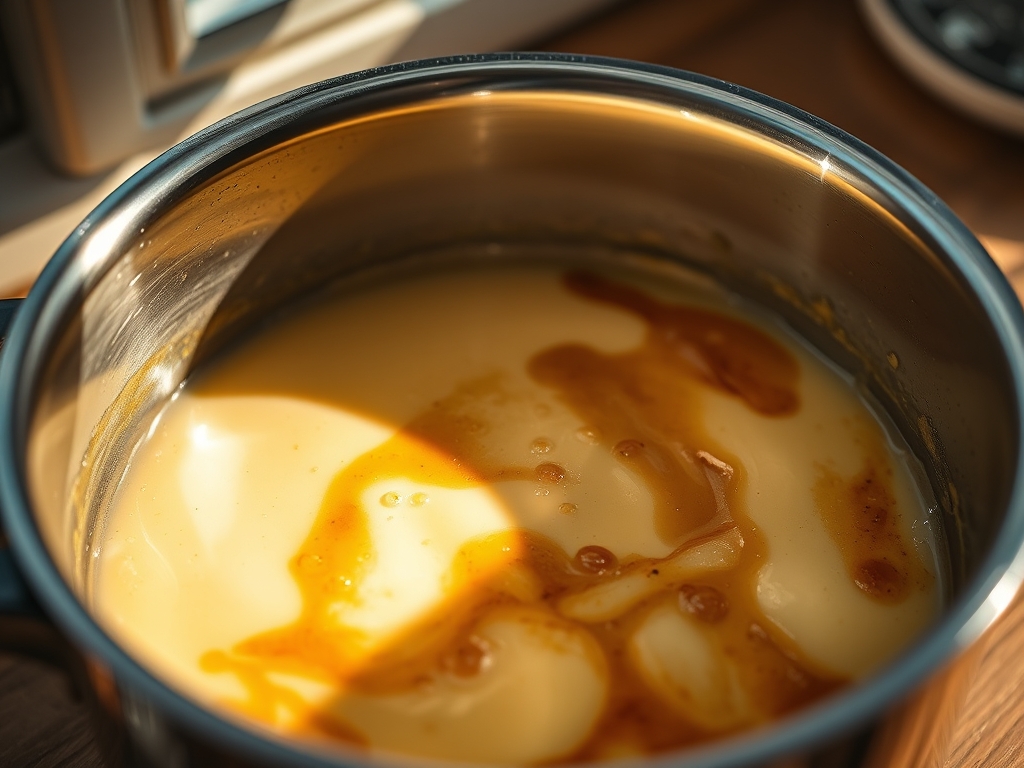
In a large mixing bowl, beat the cream cheese and sugar until smooth. Add the sour cream, vanilla, and flour. Incorporate the eggs one at a time on the lowest speed possible.
Pro Tip: Use a saucier whisk or a silicone spatula to fold in the eggs. Over-mixing at this stage introduces air bubbles. In a pressure environment, these bubbles expand and then collapse, causing the dreaded "souffle effect" where the cake rises and then falls into a crater.
Step 3: The Steam Chamber Setup
Pour 250ml of water into the inner pot of the Instant Pot. Place the springform pan on a trivet and lower it into the pot. Seal the lid and set to High Pressure for 35 minutes.
Pro Tip: Use a digital scale to measure your water exactly. Too little water leads to a "Burn" notice; too much can create excess turbulence. Wrapping the bottom of your pan in a single layer of foil prevents moisture ingress from the bottom.
Step 4: The Controlled Depressurization
Once the timer expires, allow a Natural Pressure Release (NPR) for 10 minutes before venting the remaining steam.
Pro Tip: A sudden drop in pressure causes the internal steam within the cake to expand violently, leading to surface cracks. The NPR allows the molecular structure to stabilize as the temperature drops gradually.
Section B: Prep & Timing Fault-Lines:
Timing is the invisible ingredient. The most common human error is the "Rush to Chill." If you move a hot cheesecake directly from the Instant Pot to the refrigerator, you trigger a massive thermal shock. This causes the proteins to contract too quickly, pulling away from the crust and creating a gap. You must allow the cake to reach ambient room temperature on a wire rack for at least one hour. Only then should it be moved to the cold storage phase. If you notice condensation on the surface after opening the pot, gently dab it with a lint-free paper towel immediately; if left to sit, that moisture will dissolve the top layer of sugar and create a tacky, unappealing film.
THE VISUAL SPECTRUM
Section C: Thermal & Visual Troubleshooting:
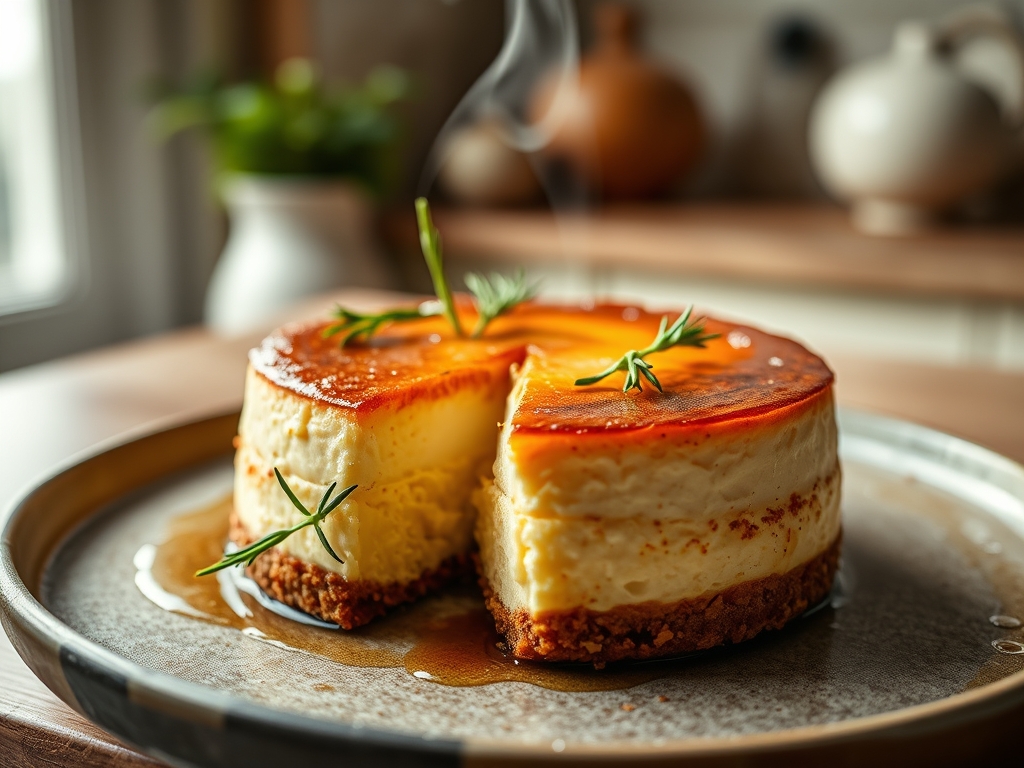
Referencing the Masterclass photo, a perfect specimen should exhibit a uniform, pale ivory surface with no browning. If your cake looks "pock-marked," you incorporated too much air during the mixing phase; tap the filled pan on the counter five times before cooking to release trapped gas. If the edges appear overcooked or curdled while the center is liquid, your pressure sensor may be running hot. Reduce the cook time by 3 minutes in future iterations. A dull, matte finish suggests the cake is slightly overcooked; a perfect pressure-set dairy matrix should have a soft, satin-like reflection. If the center wobbles like Jell-O when you pull it out, do not panic; the residual heat will finish the "set" during the cooling phase.
THE DEEP DIVE
Macro Nutrition Profile:
A standard 1/8th slice contains approximately 340 calories, 24g of fat, 28g of carbohydrates, and 6g of protein. The high fat content is what provides the structural integrity required for pressure cooking.
Dietary Swaps:
- Vegan: Substitute cream cheese with a cashew-based fermented spread and use a flax-egg binder. Note that the "set" will be softer.
- Keto: Replace graham crackers with crushed pecans and use erythritol as the sweetener.
- GF: Utilize certified gluten-free crackers or a simple nut-flour base.
Meal Prep & Reheating Science:
Cheesecake is a rare beast that improves with age. The molecular structure continues to firm up over 24 to 48 hours as the moisture redistributes. Never reheat a cheesecake in a microwave; it will render the fats and turn the cake into an oily puddle. If serving from frozen, thaw in the refrigerator for 12 hours to maintain the delicate emulsion.
THE KITCHEN TABLE
Why did my cheesecake crack even with a natural release?
Usually, this is caused by the batter sticking to the sides of the pan. As the cake cools and shrinks, it pulls on the stuck edges and tears the middle. Grease your pan sides thoroughly with butter.
Can I use a larger 8-inch or 9-inch pan?
Only if it fits in your specific model. However, a wider pan results in a thinner cake, requiring you to reduce the pressure cook time to 28-30 minutes to avoid over-processing the proteins.
My crust is soggy despite the foil. What happened?
Check your foil for pinholes. Alternatively, the "sogginess" might be butter leaching out of the crust if the ratio was too high. Ensure you use exactly 55g of butter for 150g of crumbs.
The top of my cake is yellow and rubbery. Why?
This indicates overcooking. The proteins have moved past the "set" phase into the "toughening" phase. Ensure your Instant Pot is not set to "Quick Release" and verify your timing against a secondary kitchen timer.