Stop eyeballing your destiny. If you are still reaching for a nested set of plastic cups to measure your flour; you are not cooking; you are gambling with physics. The difference between a mediocre loaf and a crumb structure that defies gravity lies in the cold, hard logic of the sensor. Digital Scale Prep is the fundamental infrastructure of the modern kitchen. It eliminates the variables of humidity, packing density, and human error that plague volumetric measurements. Imagine the tactile snap of a perfectly tempered chocolate or the precise tension of a high-hydration sourdough. These are not accidents of fate; they are the results of gram-weight precision. When you shift to a scale; you stop guessing and start engineering. You are no longer at the mercy of how tightly you packed the brown sugar. Instead; you are commanding molecules with the authority of a laboratory technician. This is where flavor meets the decimal point; ensuring that every sear is consistent and every emulsion remains stable. Let us audit your workflow and rebuild it on a foundation of accuracy.
THE DATA MATRIX
| Prep Time | Execution Time | Yield | Complexity (1-10) | Est. Cost per Serving |
|---|---|---|---|---|
| 20 Minutes | 45 Minutes | 4 Servings | 4 | $4.50 |
THE GATHERS
Ingredient Protocol:
- 500g / 1.1 lbs Beef Tenderloin (cubed)
- 250g / 2 cups Cremini Mushrooms (sliced)
- 150g / 1 medium Yellow Onion (minced)
- 30g / 2 tbsp Unsalted Butter
- 200ml / 0.85 cup Heavy Cream
- 15g / 1 tbsp Dijon Mustard
- 5g / 1 tsp Smoked Paprika
- 2g / 0.5 tsp Fine Sea Salt
Section A: Ingredient Quality Audit:
If your mushrooms feel slimy or lack a firm "snap"; they are already decomposing. This excess moisture will prevent the Maillard reaction and result in a grey; rubbery texture. To fix this; toss the sliced mushrooms in a dry pan over high heat before adding any fat to render out the internal water. If your heavy cream breaks or appears grainy; the fat solids have separated due to improper storage. Whisk in a teaspoon of warm water or use an immersion blender to re-emulsify the liquid before it hits the hot pan.
THE MASTERCLASS
1. Calibration and Mise en Place
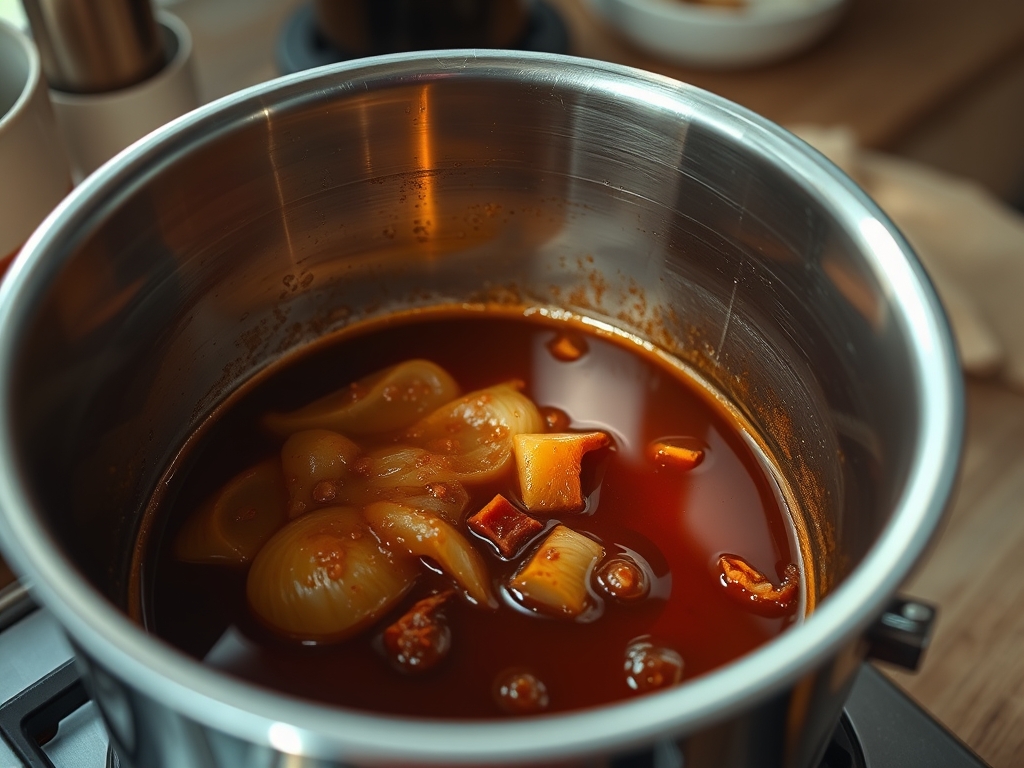
Place your mixing bowl on the digital scale and tare it to zero. Add each ingredient by weight rather than volume to ensure the ratio of protein to aromatics is mathematically perfect. This precision prevents the "crowded pan" syndrome where excess moisture prevents browning.
Pro Tip: Using a scale reduces dishwashing volume by allowing you to measure multiple ingredients into a single vessel. The science of mass-based prep ensures that your salt-to-protein ratio is exactly 1.5 percent; the golden ratio for muscle fiber seasoning.
2. High-Heat Protein Searing
Heat a heavy-bottomed saucier until it wisps with smoke. Add a high-smoke-point oil and the beef. Sear in batches to maintain a surface temperature above 300 degrees Fahrenheit.
Pro Tip: This is the Maillard reaction in action. Amino acids and reducing sugars rearrange to create hundreds of flavor compounds. Use a bench scraper to efficiently move the seared meat to a resting tray without losing the precious juices.
3. Aromatics and Deglazing
Reduce the heat to medium and add the butter and onions. Use a wooden spoon to scrape the fond (the browned bits) from the bottom of the pan. Once the onions are translucent; add the mushrooms and paprika.
Pro Tip: To infuse the fat with the maximum amount of flavor; toast your spices directly in the butter for 30 seconds. This releases fat-soluble volatile oils that would otherwise remain trapped in the plant cell walls.
4. Emulsion and Reduction
Pour in the heavy cream and Dijon mustard. Whisk constantly as the liquid begins to bubble. The goal is a viscous sauce that coats the back of a spoon without breaking into oil and water phases.
Pro Tip: Mustard acts as a natural emulsifier because it contains mucilage. This helps the fat in the cream bond with the aqueous juices from the meat; creating a silky; unified texture.
Section B: Prep & Timing Fault-Lines:
The most common human error is "thermal panic." If you add the cream while the pan is at a rolling boil; the proteins in the dairy will denature and clump; causing a curdled appearance. Always reduce your heat before introducing dairy. If your timing is off and the sauce thickens too much before the meat is ready; whisk in 15ml of warm beef stock to let down the consistency without diluting the flavor profile.
THE VISUAL SPECTRUM
Section C: Thermal & Visual Troubleshooting:
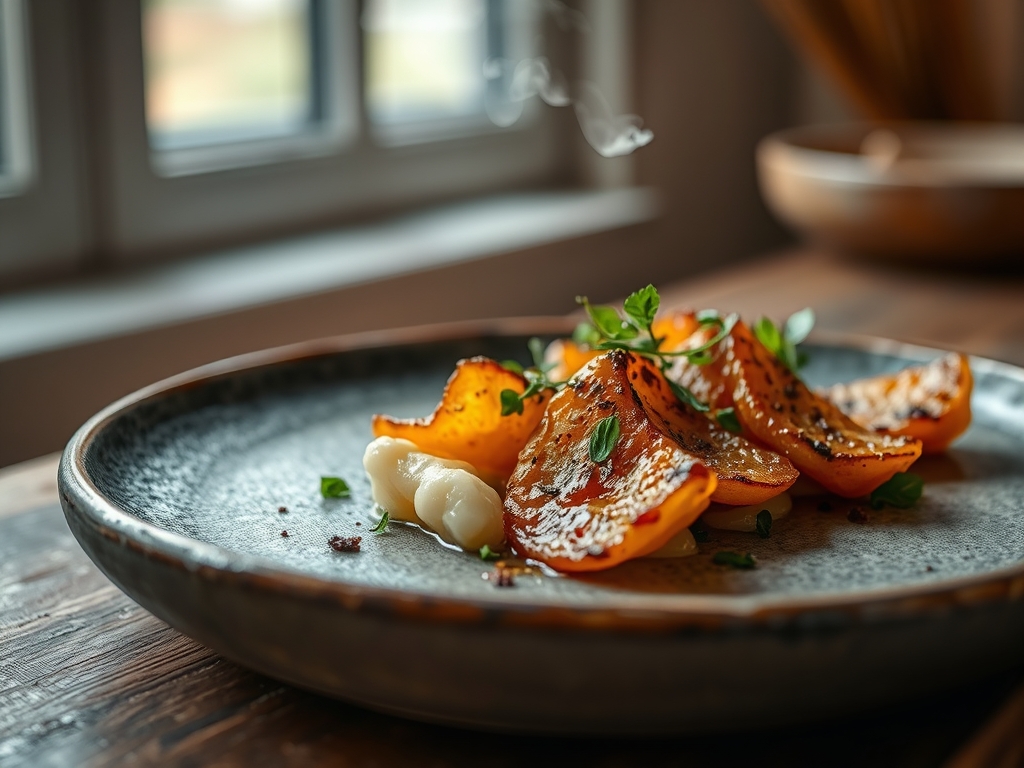
Look at the Masterclass photo above. Notice the deep; mahogany crust on the beef and the glossy; golden-tan hue of the sauce. If your dish looks pale or grey; your pan temperature was too low; leading to steaming rather than searing. If the sauce looks "broken" or oily; the heat was too high; or you lacked sufficient agitation during the cream addition. To fix a dull color; add a micro-dose of high-quality tomato paste during the onion sauté to provide a deeper base of umami and color. If the texture is too thin; continue to simmer to aerate and reduce the water content; concentrating the flavors.
THE DEEP DIVE
Macro Nutrition Profile:
A single serving provides approximately 450 calories; 35g of protein; 32g of fat; and 8g of carbohydrates. The high protein content makes this an excellent post-recovery meal; while the fat provides long-lasting satiety.
Dietary Swaps:
- Vegan: Swap beef for thick-cut king oyster mushrooms and use cashew cream with a dash of nutritional yeast for that piquant kick.
- Keto: This recipe is naturally keto-compliant. Serve over steamed cauliflower instead of pasta.
- Gluten-Free: Ensure your mustard is certified GF; as some brands use wheat-based thickeners.
Meal Prep & Reheating Science:
To maintain molecular structure; do not microwave on high power. The intense radiation causes the water molecules to vibrate so violently they tear the emulsion apart. Instead; reheat in a small pot over low heat; adding a splash of milk to restore the sauce's original viscous flow.
THE KITCHEN TABLE
Why is weight better than volume?
Volume is deceptive. A cup of flour can weigh between 120g and 160g depending on how it is scooped. A digital scale provides a constant; ensuring your ratios are identical every single time you cook.
Can I use a scale for liquids?
Absolutely. Most liquids like water; milk; and wine have a density very close to 1g per 1ml. Measuring by weight is faster; cleaner; and significantly more accurate than squinting at a glass measuring cup.
What if my scale fluctuates?
Ensure the scale is on a flat; hard surface. Avoid placing it near heat sources or vibrating appliances like dishwashers. Always check the battery levels; as low voltage is the primary cause of sensor drift.
How do I clean my scale?
Never submerge it. Use a damp microfiber cloth with a touch of mild detergent. For raw meat prep; place a piece of plastic wrap or a lightweight bowl over the sensor before weighing to prevent cross-contamination.