Listen to the sound of a kitchen operating at peak efficiency. It is the rhythmic thud of a chef knife against a wooden board; the hiss of moisture escaping a high-heat environment; the intoxicating aroma of caramelizing sugars. We are not just making dinner. We are conducting a high-stakes thermal audit of the Sheet Pan Mediterranean Veg. This dish is the gold standard of culinary efficiency, transforming humble root vegetables and nightshades into a concentrated tapestry of flavor through the power of dry-heat convection. To the untrained eye, it is a pile of produce on a tray. To the expert auditor, it is a complex exercise in moisture management and surface-area-to-volume ratios. We are looking for that perfect Maillard reaction where natural starches transform into a golden, savory crust. If your vegetables are limp, gray, or swimming in a puddle of their own juices, you have failed the kinetic inspection. We are here to ensure every floret of broccoli and wedge of red onion reaches its maximum structural and flavorful potential through precise oil infusion.
THE DATA MATRIX
| Metric | Specification |
|---|---|
| Prep Time | 15 Minutes |
| Execution Time | 25 to 30 Minutes |
| Yield | 4 Standard Servings |
| Complexity (1-10) | 2 |
| Estimated Cost per Serving | $2.25 USD |
THE GATHERS
Ingredient Protocol:
- 500g / 2 large Zucchini (sliced into 1-inch rounds)
- 300g / 1 large Red Bell Pepper (de-seeded and chopped into 1.5-inch squares)
- 200g / 1 medium Red Onion (peeled and cut into 8 wedges)
- 250g / 1 pint Cherry Tomatoes (kept whole for internal pressure)
- 400g / 1 can Chickpeas (drained, rinsed, and patted dry)
- 60ml / 0.25 cup Extra Virgin Olive Oil (high polyphenol count preferred)
- 10g / 2 tsp Dried Oregano
- 5g / 1 tsp Smoked Paprika
- 6g / 1 tsp Flaky Sea Salt
- 3g / 0.5 tsp Cracked Black Pepper
- 150g / 1 cup Feta Cheese (crumbled for the post-thermal finish)
- 15ml / 1 tbsp Fresh Lemon Juice
Section A: Ingredient Quality Audit:
The primary failure point in a Sheet Pan Mediterranean Veg assembly is moisture content. If your zucchini feels spongy or "hollow," it is likely dehydrated and will turn to mush rather than caramelizing. Audit your peppers for skin tension; if the skin is wrinkled, the cellular walls have already begun to collapse. To fix sub-par produce, perform a quick 10-minute ice-water bath for the chopped vegetables to restore turgor pressure before drying them thoroughly. Another critical audit point is the chickpeas. If they are canned, they carry a viscous liquid known as aquafaba. If this is not rinsed and dried off, it creates a steam barrier that prevents the chickpeas from becoming crispy. Use a clean kitchen towel to vigorously rub the legumes until the skins are matte and dry.
THE MASTERCLASS
1. Thermal Pre-Loading and Calibration
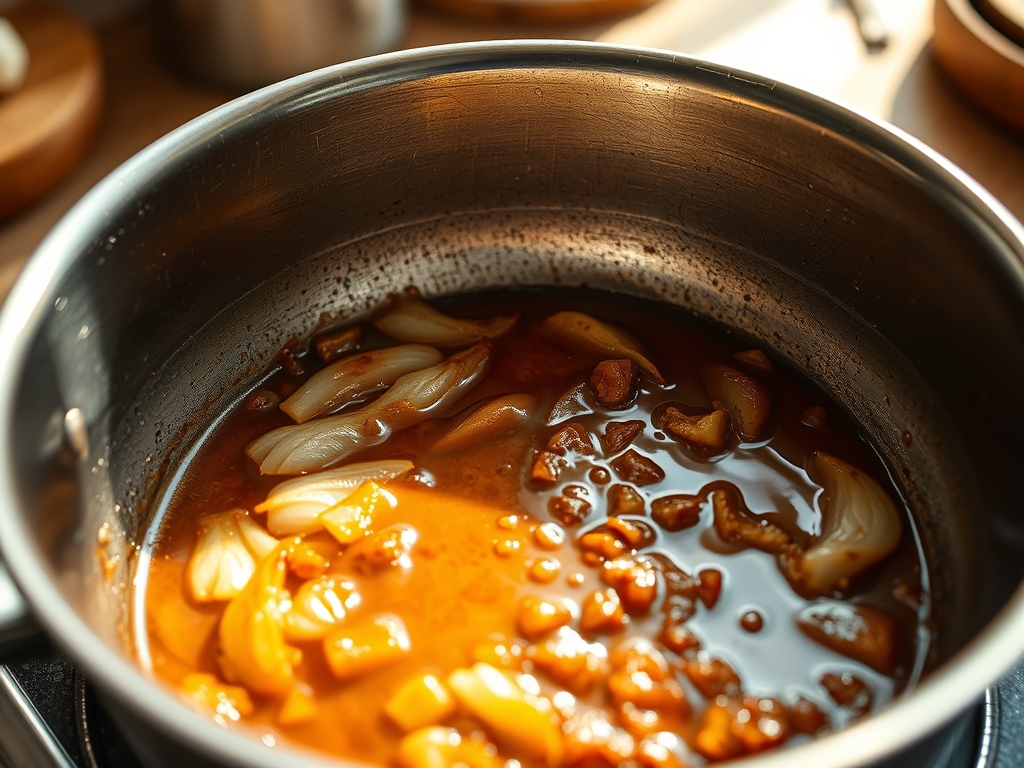
Preheat your oven to 220C / 425F. Place your heavy-duty rimmed baking sheet inside the oven while it heats. This creates a "sear-on-contact" environment the moment the vegetables touch the metal. Use an oven thermometer to verify your internal temperature; many residential ovens fluctuate by as much as 25 degrees.
Pro Tip: This technique utilizes conductive heat to jumpstart the Maillard reaction. By heating the pan first, you ensure the bottom of the vegetables begins to render and brown immediately, preventing the "soggy bottom" syndrome often found in amateur roasts.
2. Precision Volumetric Coating
In a large stainless steel mixing bowl, combine your prepped vegetables and chickpeas. Drizzle the olive oil over the surface and use a silicone spatula or your hands to toss the mixture. Ensure every square millimeter of surface area is coated in a thin, viscous layer of oil. Add your salt, pepper, oregano, and paprika last.
Pro Tip: Always use a digital scale to measure your ingredients for consistency. Adding the salt last is vital; salt draws out moisture via osmosis. If you salt too early and let the vegetables sit, they will begin to leak water into the bowl, compromising the oil's ability to adhere to the skin.
3. Surface Area Optimization
Carefully remove the hot sheet pan from the oven. Using a bench scraper to transfer your vegetables quickly, spread them across the pan in a single, even layer. You should hear an immediate, aggressive sizzle. Ensure no vegetables are overlapping.
Pro Tip: Crowding the pan is the most common tactical error. If the vegetables are too close, the evaporating moisture creates a localized steam cloud, boiling the food instead of roasting it. A secondary sheet pan should be deployed if the volume exceeds the available surface area.
4. Convection Rotation and Agitation
Slide the pan into the center rack. Set a timer for 15 minutes. At the halfway mark, use a wide metal turner to flip and agitate the vegetables. This ensures even thermal distribution and prevents the side in contact with the pan from burning while the top remains pale.
Pro Tip: Use this moment to check for "hot spots" in your oven. If the vegetables in the back-left corner are browning faster, rotate the entire pan 180 degrees. Professional chefs use this "tactical rotation" to compensate for uneven heating elements.
5. The Acidic Finish and Emulsification
Once the vegetables show charred edges and the tomatoes have blistered, remove the pan. Immediately drizzle the fresh lemon juice over the hot vegetables. The steam will help infuse the piquant citrus notes into the caramelized crust. Top with crumbled feta and fresh herbs.
Pro Tip: The residual heat from the pan will slightly soften the feta without melting it into a puddle. This creates a creamy contrast to the charred exterior of the peppers and onions. Use a saucier if you wish to prepare a secondary tahini-based drizzle for added depth.
Section B: Prep & Timing Fault-Lines:
The most frequent human error is the "Cold Start" mistake. Placing vegetables on a cold pan in a warming oven leads to slow cellular breakdown, resulting in a soft, unappealing texture. Another fault-line is inconsistent knife work. If your zucchini rounds vary from 0.5 inches to 2 inches, the smaller pieces will carbonize before the larger pieces reach structural tenderness. Use a mandoline or a steady hand to ensure uniformity. Finally, watch the clock on your tomatoes. If they are added too early, they may burst and release excessive juice, turning your "roast" into a "stew."
THE VISUAL SPECTRUM
Section C: Thermal & Visual Troubleshooting:
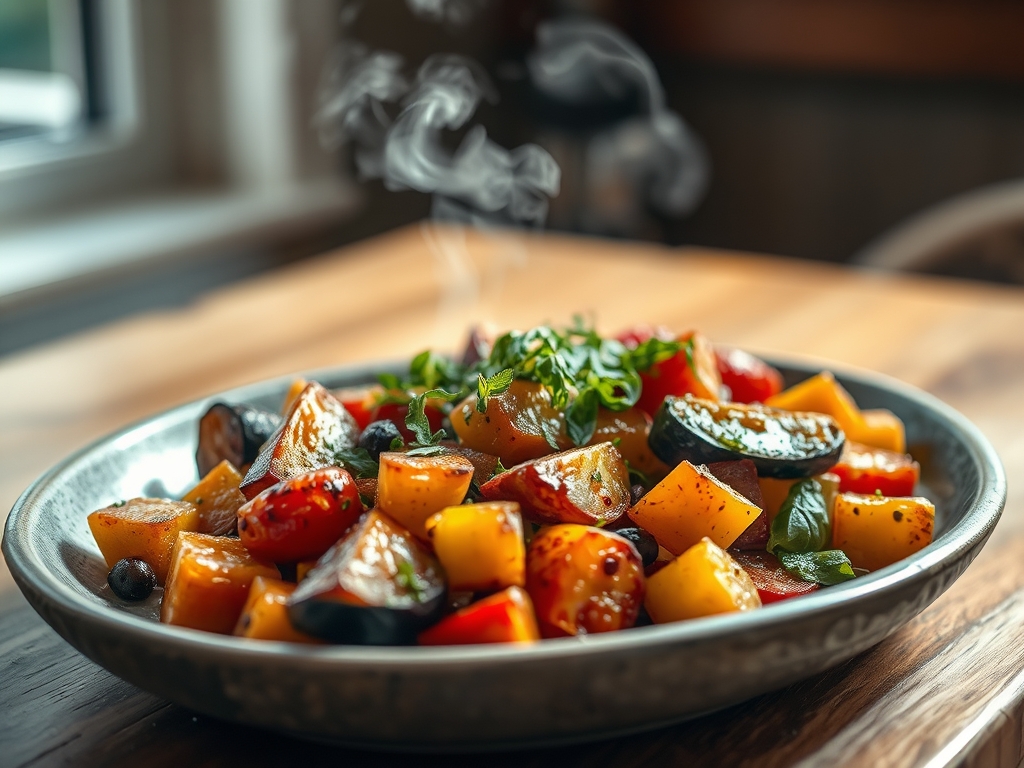
Look at the Masterclass photo above. Notice the "blistering" on the tomato skins and the dark, almost black edges on the red onions. This is the visual cue for success. If your tray looks uniform in color, you have lacked sufficient heat. If the zucchini looks translucent rather than opaque with browned rings, it is overcooked and waterlogged.
Solution for Uneven Browning: If some items are browning too fast, mist them lightly with a spray of water to slow down the surface temperature through evaporative cooling.
Solution for Dull Colors: This usually indicates a lack of acid or over-oxidation. A fresh hit of lemon juice or a splash of red wine vinegar post-roast will "wake up" the colors and provide a bright, piquant finish that cuts through the fat of the oil.
THE DEEP DIVE
Macro Nutrition Profile:
A standard serving of this Sheet Pan Mediterranean Veg provides approximately 280 calories, 18g of healthy fats (primarily monounsaturated), 24g of carbohydrates, and 9g of protein. The fiber content is exceptionally high at 7g per serving, which aids in glycemic control.
Dietary Swaps:
- Vegan: Replace feta with a brined almond-based cheese or a sprinkle of nutritional yeast for umami.
- Keto: Eliminate the chickpeas and increase the volume of zucchini and bell peppers; add olives for increased fat macros.
- GF: This recipe is naturally gluten-free; ensure your dried spices are certified free of cross-contamination.
Meal Prep & Reheating Science:
To maintain molecular structure during reheating, avoid the microwave. Microwaves vibrate water molecules, which will turn your crisp vegetables into a soggy mess. Instead, use a toaster oven or air fryer at 180C / 350F for 5 minutes. This re-activates the surface oils and restores the "crunch" factor.
THE KITCHEN TABLE
Why are my vegetables soggy?
You likely crowded the pan or didn't dry the vegetables after washing. Excess moisture creates steam, which prevents the Maillard reaction. Use two pans next time to allow for proper airflow and moisture evaporation.
Can I use frozen vegetables for this?
Technically yes, but the results will be inferior. Frozen vegetables have compromised cell walls due to ice crystallization. They release water rapidly, making it nearly impossible to achieve the charred, roasted texture seen in the reference photo.
What is the best oil for roasting?
Extra virgin olive oil is ideal for the 220C / 425F range. It has a high enough smoke point for this duration and provides essential polyphenols that infuse the vegetables with a distinct, peppery Mediterranean flavor profile.
How do I get the chickpeas extra crispy?
The secret is removing the moisture. After drying them with a towel, you can toss them in a small amount of cornstarch or arrowroot powder before oiling. This creates a microscopic barrier that fries into a shatteringly crisp shell.