Imagine the high-stakes theater of a professional kitchen condensed into a single, heavy-bottomed vessel. The air crackles with the sound of moisture rapidly evaporating as cold protein meets a searing surface. This is the sensory architecture of One Skillet Beef. We are not just making dinner; we are managing a complex series of thermal exchanges. The goal is to achieve a deep, mahogany crust via the Maillard reaction while simultaneously preserving the structural integrity of crisp vegetables. When executed correctly, the fat will render into a golden liquid that acts as a conductor for every spice in your arsenal. The scent of garlic hitting hot oil should be sharp and piquant, signaling the transition from raw components to a unified culinary masterpiece. You are the architect of this flavor profile. Your tools are your instruments, and the skillet is your stage. We are looking for a result that is both visually stunning and nutritionally dense. Let us strip away the fluff and focus on the raw data of high-performance cooking.
THE DATA MATRIX
| Metric | Specification |
|---|---|
| Prep Time | 15 Minutes |
| Execution Time | 12 Minutes |
| Yield | 4 Servings |
| Complexity (1-10) | 4 |
| Estimated Cost per Serving | $4.50 |
THE GATHERS
Ingredient Protocol:
- 500g / 1.1 lbs Lean Flank Steak (thinly sliced against the grain)
- 30ml / 2 tbsp High-Smoke Point Oil (Avocado or Grapeseed)
- 450g / 3 cups Broccoli Florets (uniform bite-sized pieces)
- 200g / 1.5 cups Bell Peppers (julienned)
- 15ml / 1 tbsp Fresh Ginger (microplaned)
- 3 cloves Garlic (minced)
- 60ml / 0.25 cup Low-Sodium Soy Sauce
- 15ml / 1 tbsp Toasted Sesame Oil
- 5g / 1 tsp Cornstarch
- 2g / 0.5 tsp Red Pepper Flakes
Section A: Ingredient Quality Audit:
The most common failure point in One Skillet Beef is moisture management. If your beef arrives in a vacuum-sealed bag sitting in "purge" (the red liquid), it will steam rather than sear. Use a paper towel to aggressively pat the meat dry. If your vegetables feel limp, they have lost cellular turgor pressure. To fix this, shock them in an ice-filled saucier for three minutes before drying them. This restores the crisp snap required for a professional-grade finish. If your garlic has a green sprout in the center, remove it; that "germ" contains bitter compounds that will ruin your flavor profile once they infuse into the oil.
THE MASTERCLASS
1. Thermal Priming and Protein Searing
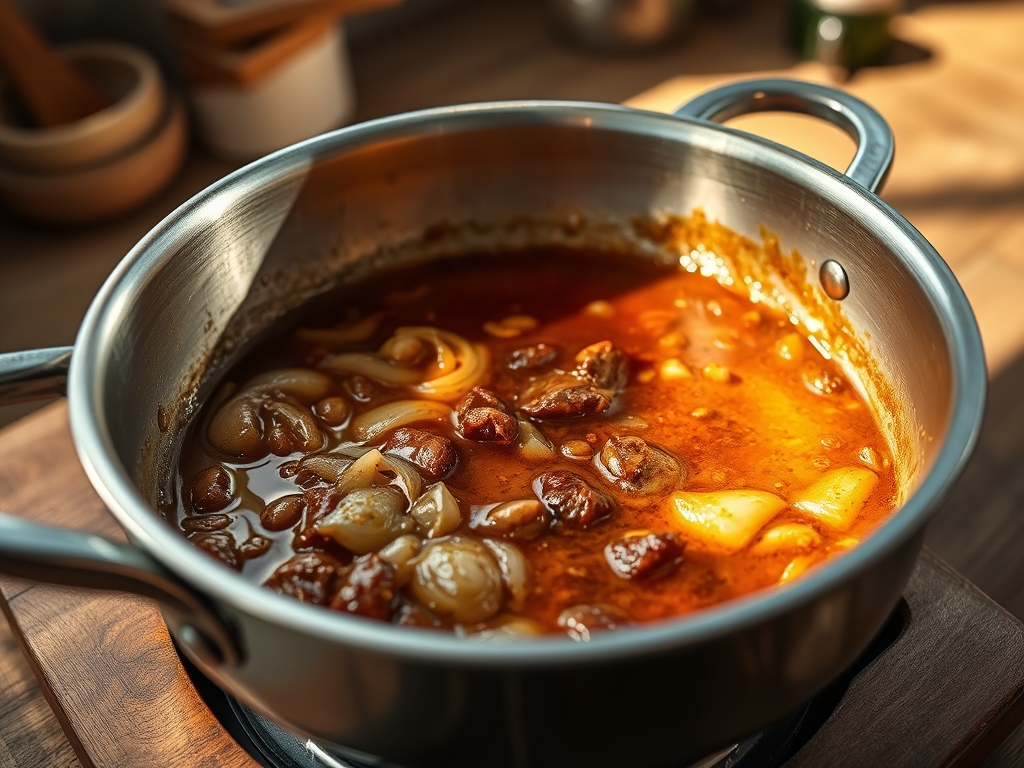
Heat your heavy skillet over high heat until a drop of water dances and evaporates instantly. Add the high-smoke point oil. Lay the beef slices in a single layer, ensuring they do not overlap. Let them sit undisturbed for 90 seconds to develop a dark crust.
Pro Tip: Use an infrared thermometer to ensure the surface has reached at least 200C / 400F. This temperature is the threshold for the Maillard reaction, where amino acids and sugars reorganize into hundreds of flavor compounds. Flip the meat with a bench scraper or metal spatula to maintain maximum surface contact.
2. The Vegetable Flash-Point
Remove the beef from the skillet and set it aside on a warm plate. Immediately add the broccoli and peppers to the remaining fat. Add a splash of water (15ml) to create a burst of steam, then cover for 60 seconds.
Pro Tip: This technique is known as "steam-frying." It uses the high latent heat of steam to cook the interior of the broccoli while the skillet's base continues to render any remaining fats and brown the exterior. Use a digital scale to measure your water for consistent results every time.
3. Aromatics and the Deglaze
Push the vegetables to the perimeter of the pan, creating a "hot zone" in the center. Add the garlic, ginger, and red pepper flakes. Toast them for 30 seconds until they become fragrant but not brown.
Pro Tip: Aromatics are fat-soluble. By placing them in the center of the pan, you allow the oils to infuse with their essential essences before they coat the rest of the ingredients. This ensures an even distribution of flavor across the entire dish.
4. Emulsification and Final Integration
Whisk the soy sauce, sesame oil, and cornstarch in a small bowl. Pour the mixture into the skillet and return the beef (and any juices) to the pan. Toss everything vigorously for 60 seconds.
Pro Tip: As the cornstarch reaches its gelatinization temperature, it will thicken the liquids into a viscous glaze. This glaze should coat the back of a spoon. The agitation of tossing helps to emulsify the fats and liquids into a glossy sauce that clings to every surface.
Section B: Prep & Timing Fault-Lines:
The greatest risk in one-pan cooking is "overcrowding," which drops the skillet temperature and turns a sear into a braise. If you see liquid pooling in the bottom of the pan, your heat is too low or your batch is too large. Fix this by immediately removing half the ingredients and cranking the heat. Timing is also a factor; if you mince your garlic too early, the enzymes will create an overly harsh flavor. Mince it just before it hits the heat to keep the profile bright and energetic.
THE VISUAL SPECTRUM
Section C: Thermal & Visual Troubleshooting:
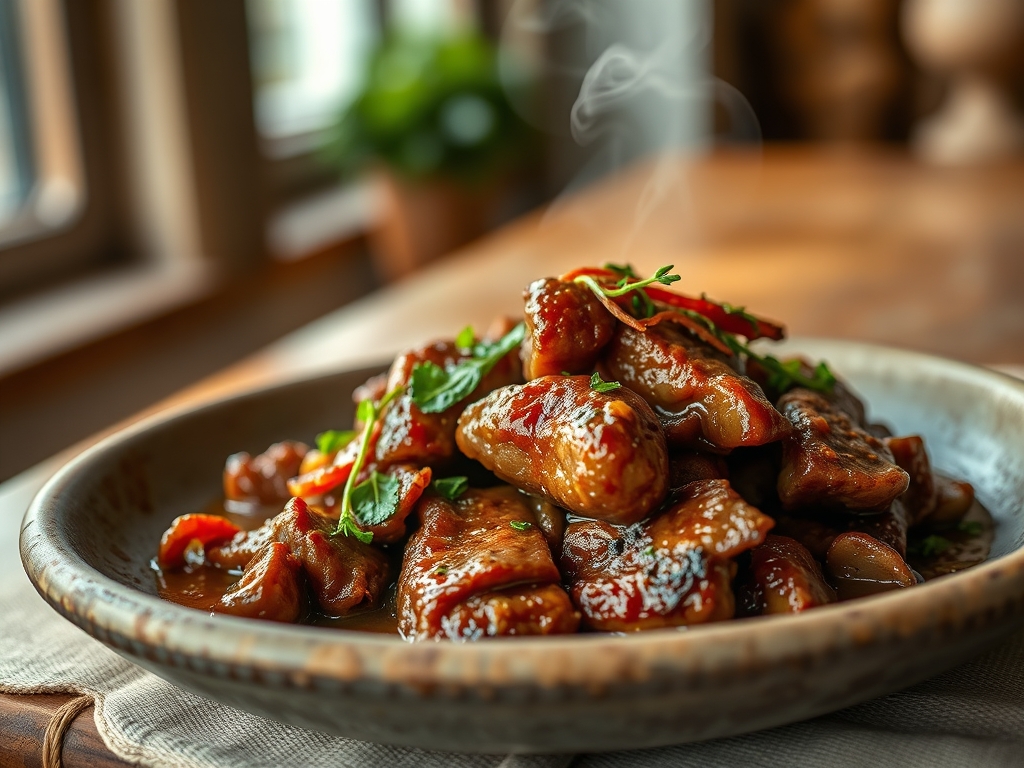
Look at the Masterclass photo above. Notice the "char" on the edges of the broccoli and the deep contrast between the red peppers and the dark beef. If your dish looks grey or "washed out," you likely skipped the drying phase or moved the meat too early. If the sauce looks broken or oily, your emulsification failed; add a teaspoon of water and whisk rapidly to bring it back. Dull colors indicate overcooking; the chlorophyll in the broccoli breaks down after five minutes of heat, turning it from vibrant emerald to army green. Precision timing is the only cure for visual decay.
THE DEEP DIVE
Macro Nutrition Profile:
A single serving provides approximately 32g of Protein, 12g of Carbohydrates, and 18g of Healthy Fats. It is a high-octane fuel source designed for muscle recovery and sustained energy. The high fiber content from the peppers and broccoli ensures a low glycemic response.
Dietary Swaps:
- Vegan: Replace beef with extra-firm pressed tofu or tempeh. Use liquid aminos instead of soy sauce.
- Keto: Eliminate the cornstarch and use a pinch of xanthan gum to thicken the sauce.
- GF: Ensure your soy sauce is replaced with Tamari or Coconut Aminos.
Meal Prep & Reheating Science:
To maintain the molecular structure during reheating, avoid the microwave. The microwave agitates water molecules, which can make the beef rubbery and the vegetables mushy. Instead, use a cold skillet with a teaspoon of water. Cover and heat on medium; the steam will gently re-hydrate the fibers without overcooking the proteins.
THE KITCHEN TABLE
Why is my beef tough and chewy?
You likely sliced with the grain. Always slice perpendicular to the muscle fibers to shorten them, making the meat easier to masticate. Also, ensure you are using a high-heat sear to lock in internal moisture quickly.
Can I use frozen vegetables for this?
Yes, but you must thaw and dry them completely. Frozen vegetables contain excess ice crystals that will crash your skillet temperature, leading to a soggy, steamed mess rather than the desired crisp-tender texture of a professional stir-fry.
What if I don't have a heavy skillet?
Use the heaviest pan you own, likely stainless steel or cast iron. Thin aluminum pans lose heat too quickly when food is added. If using thin cookware, cook in smaller batches to maintain the necessary thermal flux.
How do I get that "restaurant shine" on the sauce?
The secret is the cornstarch slurry and a final hit of high heat. The starch must reach a boil to "clear" and become translucent. A tiny knob of cold butter whisked in at the end also adds a professional gloss.