Imagine a symphony of high-velocity heat colliding with protein. The kitchen air thickens with the scent of rendering lipids and the sharp, piquant aroma of toasted spices. This is not just dinner; it is a tactical exercise in conductive heat mapping. We are here to master Sheet Pan Chicken, the ultimate engineering feat of the modern culinary infrastructure. Most home cooks treat the sheet pan as a mere vessel for convenience, but we treat it as a high-performance heat exchanger. When skin-on thighs meet a preheated aluminum surface, the result is a rapid Maillard reaction that transforms flaccid skin into a glass-like, golden crust. We are looking for that perfect balance where the subcutaneous fat renders out completely, basting the aromatic vegetables below in a viscous, savory liquid gold. This is a high-stakes game of moisture management and thermal equilibrium. If you fail, you get a soggy, steamed mess. If you succeed, you achieve a textural masterpiece that defies the simplicity of its hardware.
THE DATA MATRIX
| Metric | Specification |
|---|---|
| Prep Time | 20 Minutes |
| Execution Time | 35 Minutes |
| Yield | 4 Servings |
| Complexity (1-10) | 3 |
| Estimated Cost per Serving | $4.50 |
THE GATHERS
Ingredient Protocol:
- 1.1 kg / 2.5 lbs Bone-in, skin-on chicken thighs
- 450g / 1 lb Yukon Gold potatoes, quartered
- 340g / 12 oz Brussels sprouts, halved
- 45ml / 3 tbsp Extra virgin olive oil
- 15g / 1 tbsp Kosher salt
- 5g / 2 tsp Freshly cracked black pepper
- 10g / 2 tbsp Fresh rosemary, minced
- 30ml / 2 tbsp Fresh lemon juice
- 4 cloves Garlic, smashed
Section A: Ingredient Quality Audit:
If your poultry arrives with excess surface moisture, your Maillard reaction will stall. The solution is a dry-brine protocol. Salt the skin and leave it uncovered in the refrigerator for four hours to dehydrate the epidermis. If your potatoes feel soft or sprouted, their starch-to-sugar ratio has shifted; they will burn before they soften. Use high-density waxy potatoes like Yukon Golds to ensure structural integrity under high heat. If your olive oil lacks that peppery kick, it may be oxidized. Always store fats in cool, dark environments to prevent the breakdown of volatile flavor compounds.
THE MASTERCLASS
1. Thermal Priming and Mise en Place
Preheat your oven to 220C / 425F and place your heavy-duty rimmed baking sheet inside. Using a digital scale, measure your ingredients to ensure consistent seasoning ratios. Use a bench scraper to efficiently transfer your prepped aromatics from the cutting board to a large mixing bowl.
Pro Tip: Preheating the sheet pan creates an immediate sear upon contact. This conductive heat transfer jumpstarts the rendering of fat, ensuring the bottom of the chicken does not sit in its own juices and steam.
2. Emulsification and Coating
In a small saucier or mixing bowl, whisk the olive oil, lemon juice, herbs, and spices until the mixture is slightly viscous. Toss the chicken and vegetables in this emulsion until every square millimeter is coated. This layer of fat acts as a heat-transfer medium, ensuring even browning across irregular surfaces.
Pro Tip: The acid in the lemon juice acts as a surfactant, helping the oil penetrate the surface of the vegetables. This ensures that the heat is distributed evenly, preventing localized scorching.
3. Structural Alignment
Carefully remove the hot pan from the oven. Arrange the chicken thighs skin-side up, ensuring they are not crowded. Distribute the vegetables in the interstitial spaces. Use a digital probe thermometer to monitor the internal temperature of the thickest thigh.
Pro Tip: Crowding the pan increases the local humidity, which leads to steaming rather than roasting. Proper spacing allows air to aerate the ingredients, facilitating the evaporation of moisture and the crisping of the skin.
4. The Final Render and Deglaze
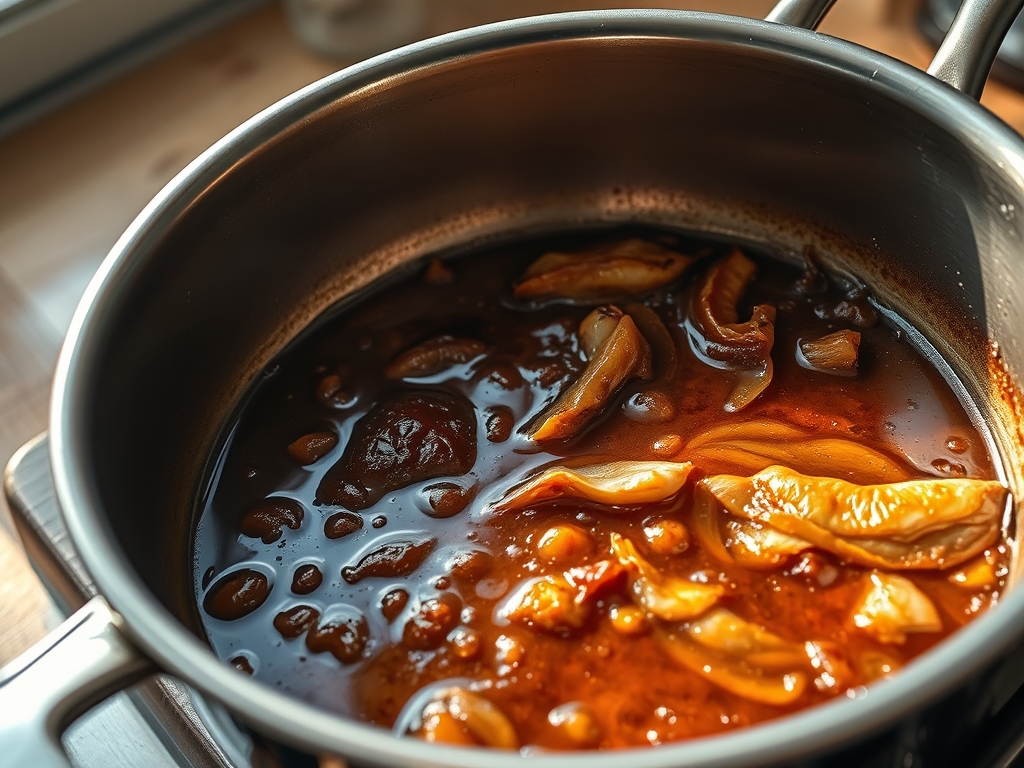
Roast for 30 to 35 minutes until the chicken reaches an internal temperature of 74C / 165F. Once removed, let the protein rest on a wire rack. While the pan is still hot, use a splash of chicken stock or white wine to deglaze the caramelized bits (the fond) from the bottom of the pan.
Pro Tip: Resting the chicken allows the muscle fibers to relax and reabsorb juices. If you cut into it immediately, the moisture will evacuate, leaving the meat dry and fibrous.
Section B: Prep & Timing Fault-Lines:
The most common failure in Sheet Pan Chicken is the "Timing Asymmetry." Vegetables like broccoli cook faster than chicken thighs. If you notice your greens are charring too quickly, tent them with foil to halt the browning while allowing the thermal energy to continue softening the interior. If your chicken is done but the skin is pale, activate the broiler for the final 120 seconds. Monitor this closely; the transition from golden-brown to carbon-black happens in a heartbeat.
THE VISUAL SPECTRUM
Section C: Thermal & Visual Troubleshooting:
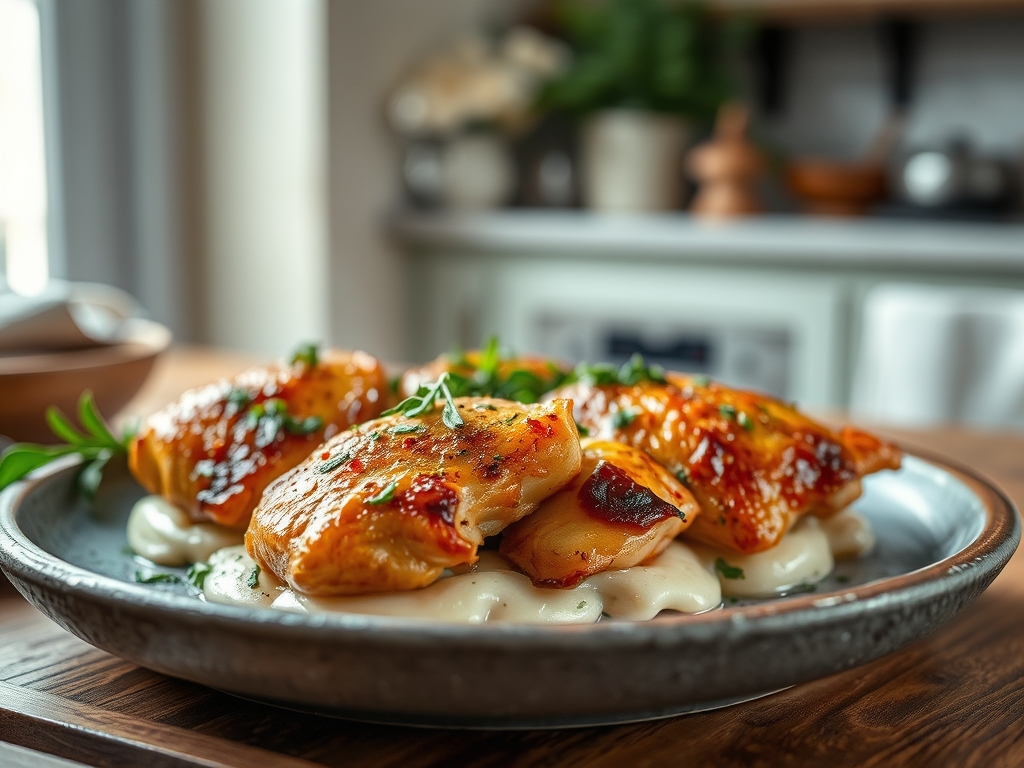
Observe the Masterclass photo above. Notice the "shatter-crisp" texture of the chicken skin; it should look like parchment, not rubber. If your chicken looks grey or "wet," your oven temperature was likely too low, or you skipped the preheating phase. The Brussels sprouts should show dark, caramelized edges (the "char-sweet" zone) while maintaining a vibrant green core. If the vegetables look dull and mushy, they have been overcooked or lacked sufficient oil to protect them from the dry oven air. The potatoes should have a distinct "crust" where they made contact with the pan, indicating successful conductive mapping.
THE DEEP DIVE
Macro Nutrition Profile:
A standard serving provides approximately 42g of protein, 28g of fat, and 22g of complex carbohydrates. The caloric density is roughly 520 kcal per serving, making it a balanced, high-octane fuel source for those requiring sustained energy.
Dietary Swaps:
- Vegan: Replace chicken with extra-firm pressed tofu blocks and increase the umami with a splash of soy sauce or liquid aminos.
- Keto: Eliminate the potatoes and substitute with cauliflower florets or radishes, which mimic the texture of potatoes when roasted.
- GF: This protocol is naturally gluten-free; ensure your spices are not processed with wheat-based anti-caking agents.
Meal Prep & Reheating Science:
To maintain the molecular structure during reheating, avoid the microwave. The microwave agitates water molecules, which turns the crispy skin into a soggy membrane. Instead, use a toaster oven at 175C / 350F for 10 minutes. This re-activates the fats and restores the structural integrity of the crust.
THE KITCHEN TABLE
Why is my chicken skin rubbery?
Rubbery skin is caused by trapped moisture. Ensure the skin is bone-dry before oiling. High heat is required to render the fat; if the oven is too cool, the fat stays trapped in the skin, creating a chewy texture.
Can I use chicken breasts instead?
You can, but the margin for error is slim. Breasts lack the fat content of thighs and will dry out quickly. Reduce the cooking time by 10 minutes and use a digital thermometer to pull them at exactly 71C / 160F.
How do I prevent the garlic from burning?
Tuck the smashed garlic cloves under the chicken or larger vegetables. This shields them from direct radiant heat while allowing them to infuse the surrounding fats with their aromatic compounds without turning bitter and acrid.
My vegetables are sticking to the pan!
This indicates a failure in the "release" phase of the Maillard reaction. Food naturally releases from the pan once a sufficient crust has formed. If it sticks, it either needs more time or more oil to lubricate the interface.