Listen closely because your dinner is currently a structural liability. We are moving away from the soggy, uninspired tortillas of your past and pivoting toward high-performance culinary engineering. The Quick Beef Quesadilla is not merely a snack; it is a masterclass in thermal dynamics and moisture management. If you have ever suffered through a wrap that disintegrated upon first contact with your teeth, you have failed the basic laws of tension and friction. We are here to rectify that. This protocol focuses on the rapid rendering of fats and the precise application of the Maillard reaction to ensure a crisp, golden exterior that protects a molten, savory interior. We are optimizing for low latency, meaning the time between your hunger pangs and the first crunch is minimized without sacrificing the integrity of the protein matrix. Forget everything you know about haphazardly folding a tortilla. We are building a fortress of flavor, utilizing high-heat searing and specific cheese-to-meat ratios to ensure total structural dominance.
THE DATA MATRIX
| Metric | Specification |
|---|---|
| Prep Time | 10 Minutes |
| Execution Time | 8 Minutes |
| Yield | 2 Servings |
| Complexity | 3/10 |
| Estimated Cost per Serving | $3.45 USD |
THE GATHERS
Ingredient Protocol:
- 450g / 1 lb Lean Ground Beef (90/10 ratio preferred)
- 4 Large Flour Tortillas (25cm / 10 inch diameter)
- 225g / 2 cups Shredded Monterey Jack or Sharp Cheddar
- 15ml / 1 tbsp Neutral Oil (Avocado or Grapeseed)
- 5g / 1 tsp Smoked Paprika
- 3g / 0.5 tsp Cumin
- 2g / 0.5 tsp Garlic Powder
- 60ml / 0.25 cup Fresh Salsa (well-drained)
- 30g / 2 tbsp Finely Diced Red Onion
Section A: Ingredient Quality Audit:
Sub-par raw materials are the primary cause of structural failure. If your beef has a high water content, it will steam rather than sear, leading to a grey, flaccid texture. To fix this, pat the protein dry with paper towels before it hits the pan. If your tortillas are brittle, they lack the necessary moisture to remain pliable during the fold. A five-second burst in the microwave under a damp paper towel will re-hydrate the starches. Finally, never use pre-shredded cheese from a bag. Those products are coated in potato starch or cellulose to prevent clumping; this creates a grainy, viscous mess that refuses to emulsify with the beef juices. Grate your own cheese from a high-quality block to ensure a superior "pull" and better adhesive properties.
THE MASTERCLASS
Step-by-Step Execution:
1. High-Velocity Protein Rendering
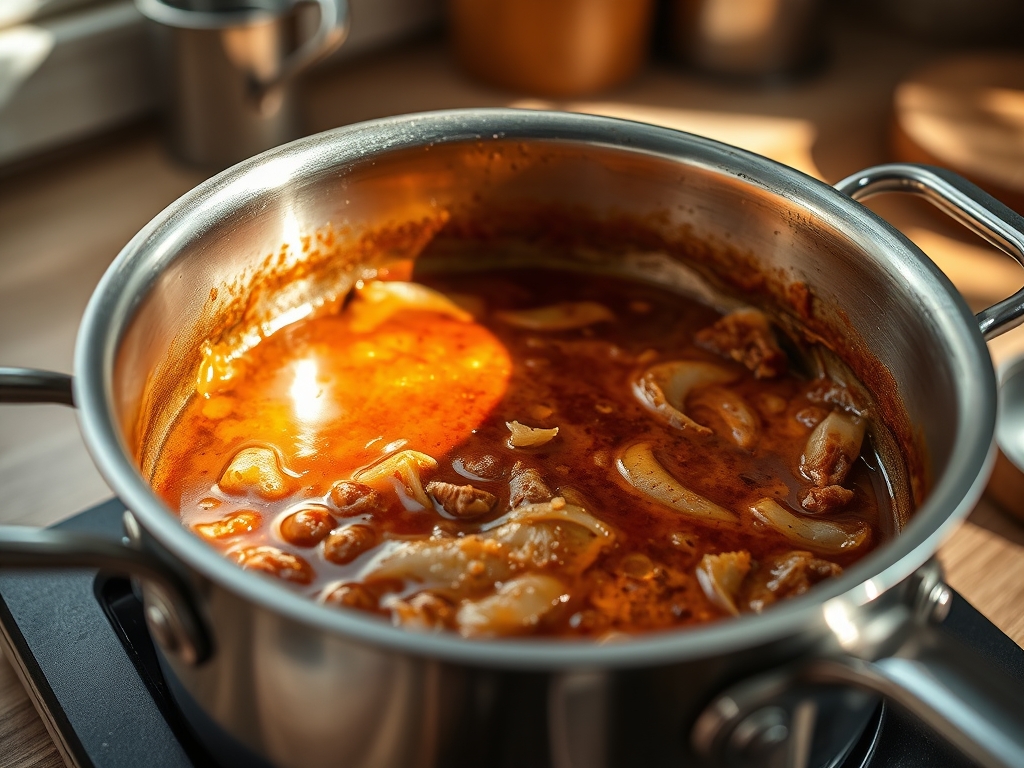
Place your heavy-bottomed skillet or saucier over medium-high heat. Once the pan is shimmering, add the beef. Use a bench scraper or a stiff spatula to break the meat into fine crumbles. Do not crowd the pan. You want to render the fat and achieve a deep brown crust.
Pro Tip: The science here is the Maillard reaction. By keeping the pieces small and the heat high, you maximize surface area for browning, which creates the complex umami compounds necessary for a professional-grade Quick Beef Quesadilla.
2. Spice Infusion and Deglazing
Once the beef is browned, sprinkle the paprika, cumin, and garlic powder directly onto the meat. Allow the spices to bloom in the hot fat for 30 seconds. If the pan looks dry, add a splash of water or beef stock to deglaze the fond from the bottom of the pan.
Pro Tip: Spices are fat-soluble. By toasting them in the rendered beef fat, you infuse the oil with flavor, which then coats every fiber of the meat, ensuring a piquant profile in every bite.
3. The Structural Layering
Clear the pan and wipe it clean. Lay a tortilla flat and distribute a thin layer of cheese across the entire surface. Place the beef and onions on one half, then top with a second light layer of cheese. This creates a "glue" on both sides of the protein.
Pro Tip: Use a digital scale to ensure even distribution. The cheese acts as a thermal insulator and a structural adhesive. Without cheese on both the top and bottom of the beef, the filling will slide out during the flip.
4. Thermal Compression and Folding
Fold the tortilla over the filling. Press down firmly with a heavy press or another skillet. Cook for 2 minutes per side until the exterior is shattered-glass crisp and the cheese is fully emulsified.
Pro Tip: Compression is vital. By applying pressure, you force the air out and ensure direct contact between the tortilla and the heat source. This results in even browning and a tighter molecular bond between the ingredients.
Section B: Prep & Timing Fault-Lines:
The most common human error is the "Cold Center Syndrome." This occurs when the heat is too high, burning the tortilla before the cheese melts. Use a medium-low flame for the assembly phase to allow for steady heat transfer. If your timing is off and the beef cools down before assembly, the cheese will not melt fast enough. Always keep your protein in a covered bowl to retain its latent thermal energy while you prep the tortillas.
THE VISUAL SPECTRUM
Section C: Thermal & Visual Troubleshooting:
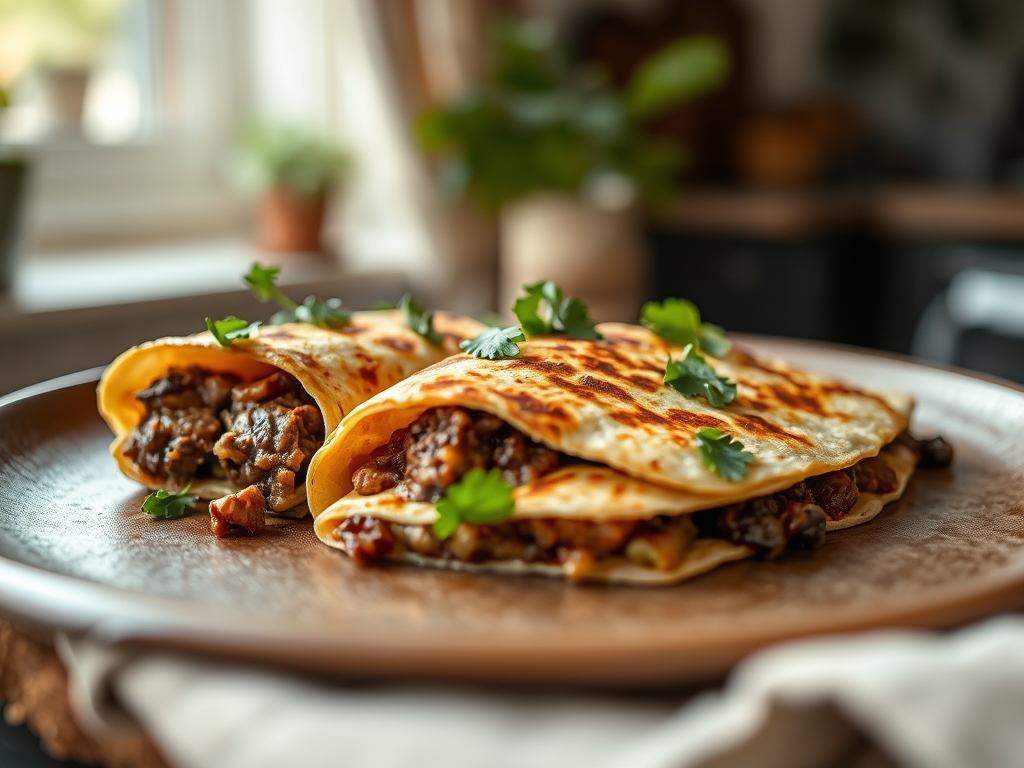
Look at the Masterclass photo above. Notice the "leopard spotting" on the tortilla; those are small, dark brown circles surrounded by a golden hue. If your quesadilla is a uniform, pale tan, you haven't used enough fat or heat. If it is blackened, your pan's surface temperature exceeded 450 degrees Fahrenheit. The cheese should be visible at the edges, appearing bubbly and slightly translucent, not oily or separated. If you see pools of orange oil, your cheese has broken due to excessive heat. Reduce the temperature and ensure your salsa is drained of all excess liquid to prevent the "soggy bottom" visual defect.
THE DEEP DIVE
Macro Nutrition Profile:
A standard serving of this Quick Beef Quesadilla provides approximately 550 calories, 38g of protein, 42g of carbohydrates, and 28g of fat. It is a high-density fuel source designed for rapid recovery or high-output days.
Dietary Swaps:
- Vegan: Substitute beef with seasoned crumbled tempeh and use a cashew-based "cheese" containing nutritional yeast for that piquant kick.
- Keto: Replace the flour tortilla with a cheese-crust "taco" or a low-carb almond flour wrap.
- GF: Use certified gluten-free corn tortillas, though you must flash-fry them first to ensure they don't crack under the stress of the fold.
Meal Prep & Reheating Science:
To maintain molecular structure, do not microwave leftovers. The microwave excites water molecules, turning the tortilla into a rubbery mess. Instead, use an air fryer at 350 degrees Fahrenheit for 3 minutes or a dry skillet over medium heat. This re-crisps the exterior while gently migrating heat to the center.
THE KITCHEN TABLE
Why is my quesadilla soggy?
Excess moisture is the culprit. Drain your salsa and pat your beef dry. If you use frozen onions, thaw and squeeze them first. Moisture turns to steam, which destroys the tortilla's structural integrity from the inside out.
Can I use chicken instead of beef?
Certainly, but adjust your rendering time. Chicken breast lacks the fat content of beef, so you may need to add more neutral oil to the pan to achieve the same level of browning and flavor infusion.
What is the best cheese for melting?
Monterey Jack is the gold standard for meltability due to its high moisture content and low melting point. For more flavor, mix it with a sharp cheddar, which provides a more complex, aged profile.
How do I get that restaurant-style crunch?
The secret is a thin coating of oil or butter on the exterior of the tortilla. This facilitates even heat distribution and allows the starches to fry rather than just toast, creating a superior textural contrast.