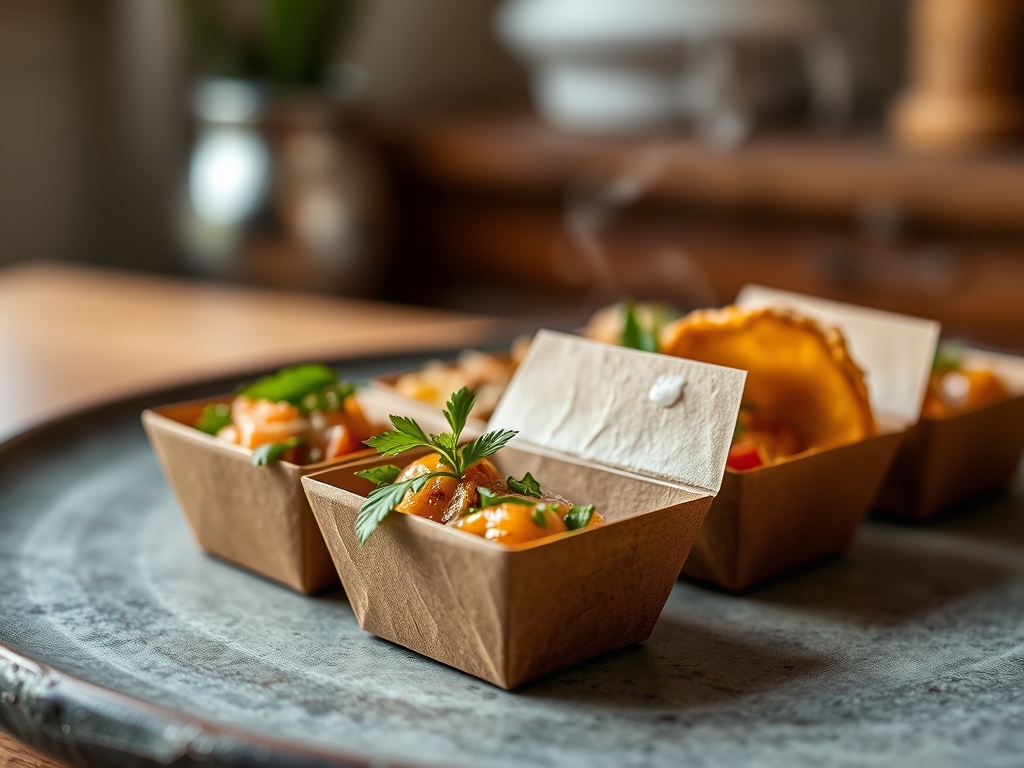
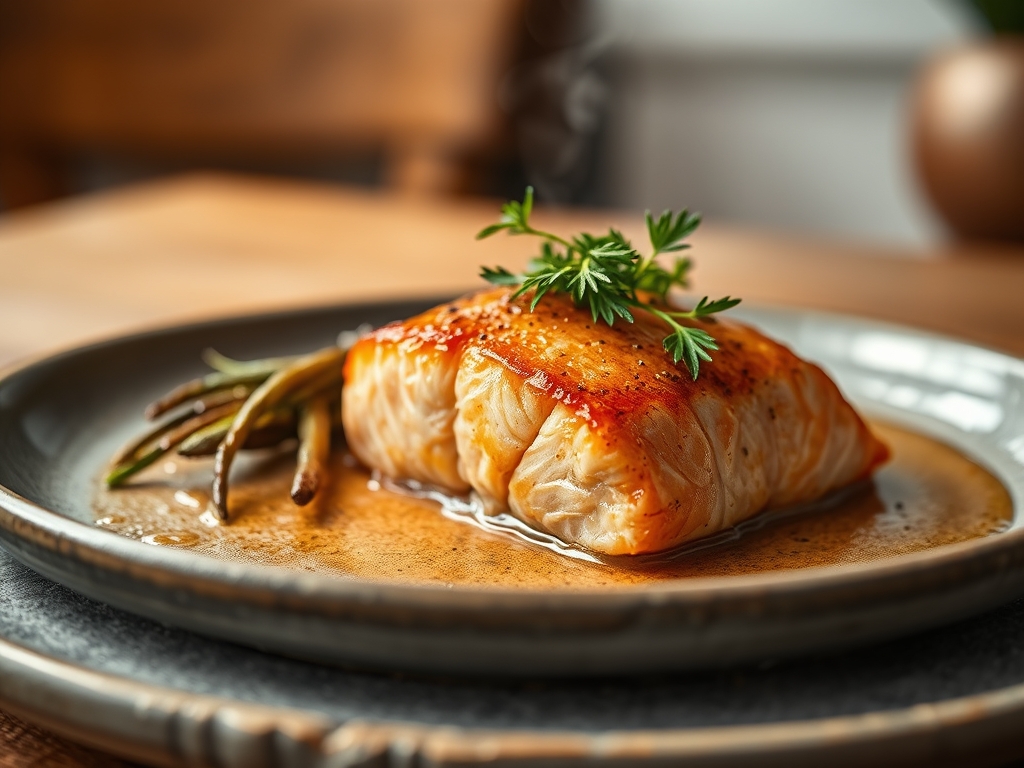
The kitchen is a high-stakes arena where the clock is the ultimate adversary. You have exactly nine hundred seconds to transform a cold, translucent slab of protein into a masterpiece of culinary engineering. This is the 15 Min Salmon Fillet protocol. We are not just cooking; we are managing a complex thermal exchange. The air should smell of atomized fats and searing amino acids. Your goal is a skin so crisp it shatters like glass, protecting a center that remains succulent and barely opaque. Most amateur attempts fail because they lack the structural discipline required for high-heat execution. They crowd the pan, they use the wrong fats, or they panic when the Maillard reaction begins to accelerate. We do not panic. We audit the infrastructure of the pan, monitor the surface tension of the oil, and execute with surgical precision. If you cannot produce a restaurant-grade result in the time it takes to brew a pot of coffee, your workflow is compromised. Let us recalibrate your station.
THE DATA MATRIX
| Metric | Specification |
|---|---|
| Prep Time | 5 Minutes |
| Execution Time | 10 Minutes |
| Yield | 2 Servings |
| Complexity (1-10) | 4 |
| Estimated Cost per Serving | $9.50 – $12.00 |
THE GATHERS
Ingredient Protocol:
- 2 Center-cut Salmon Fillets (approx. 340g / 12 oz total).
- High-smoke point oil, such as Grapeseed or Avocado oil (30ml / 2 tbsp).
- Unsalted European-style butter (28g / 2 tbsp).
- Kosher salt (5g / 1 tsp).
- Freshly cracked black peppercorns (2g / 0.5 tsp).
- Fresh thyme sprigs (3-4 units).
- Garlic cloves, smashed (2 units).
- Fresh lemon, halved (1 unit).
Section A: Ingredient Quality Audit:
The primary failure point in a 15 Min Salmon Fillet is moisture. If your fish arrives sitting in a pool of its own purge, the cellular structure is already collapsing. Technical Fix: Use a "dry brine" method by salting the skin side ten minutes early to draw out moisture, then wipe it bone-dry with a lint-free towel. If the flesh feels mushy, it has likely undergone repeated freeze-thaw cycles. In this case, increase your initial pan temperature to flash-sear the exterior before the interior can turn into a mealy disaster. Always audit the fat content; farm-raised Atlantic salmon has higher intramuscular fat than wild Sockeye, meaning it requires a slightly longer render time to avoid a greasy mouthfeel.
THE MASTERCLASS
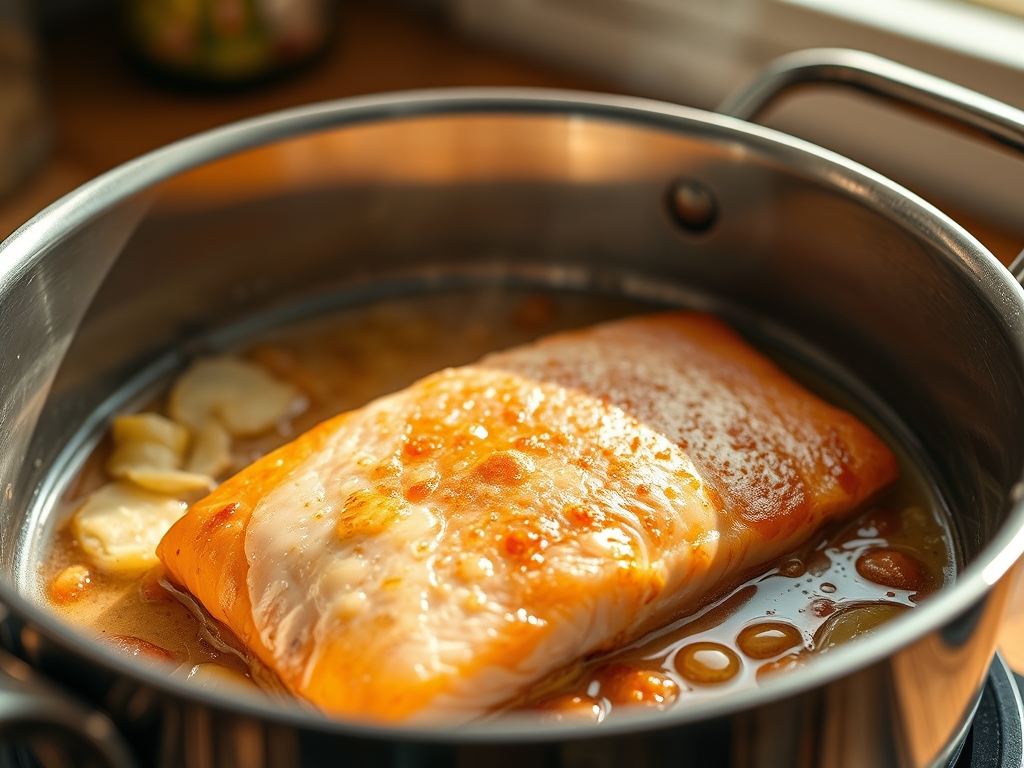
1. Surface Dehydration and Seasoning
Before the fillet even touches the heat, you must achieve total surface desiccation. Use a bench scraper to gently press any remaining moisture out of the skin, then pat dry. Season aggressively with kosher salt from a height of twelve inches to ensure even distribution.
Pro Tip: Salt acts as a desiccant, breaking down surface proteins to create a smoother substrate for browning. Using a digital scale to measure your salt ensures a consistent 1.5% salinity relative to the weight of the protein.
2. Establishing the Thermal Base
Place a heavy-bottomed stainless steel or cast iron skillet over medium-high heat. Add your high-smoke point oil. You are waiting for the oil to aerate and shimmer, just before it reaches the smoke point.
Pro Tip: A heavy pan acts as a thermal battery. It prevents the temperature from plummeting when the cold fish is added, which is essential to prevent the fish from sticking to the metal lattice of the pan.
3. The Initial Compression
Lay the salmon skin-side down, moving away from your body to avoid oil splatter. Immediately apply firm, even pressure with a flexible fish spatula for 30 seconds. This prevents the skin from curling as the collagen fibers contract.
Pro Tip: The "curling" effect is a result of rapid protein denaturation. By using a spatula to maintain contact, you ensure the entire surface area undergoes the Maillard reaction simultaneously.
4. The Butter Baste and Infusion
Once the skin is crisp and the flesh has cooked two-thirds of the way up the side, flip the fillet. Drop in the butter, smashed garlic, and thyme. As the butter begins to foam, tilt the pan and use a large spoon to infuse the fish with the hot, aromatic fat.
Pro Tip: This technique, known as "arroser," uses the viscous nature of melted butter to carry heat into the crevices of the fish while adding a piquant depth of flavor from the herbs.
5. The Acidic Deglaze and Rest
Remove the pan from the heat. Squeeze the lemon juice directly into the hot fat to deglaze the browned bits (fond) from the bottom of the pan. Transfer the fish to a warm plate and let it rest for two minutes.
Pro Tip: Resting allows the internal temperature to equalize via carryover cooking. Use an instant-read thermometer to pull the fish at 125 degrees Fahrenheit for a perfect medium-rare finish.
Section B: Prep & Timing Fault-Lines:
The most common human error is "pan-fiddling." If you move the fish before the proteins have properly seared, you will tear the skin. If your timing is off, the butter will burn before the fish is done. Technical Fix: If the butter begins to smoke or turn black, immediately add a splash of cold oil or a squeeze of lemon to drop the temperature. Use a digital timer to track the "skin-down" phase; it should occupy 70% of your total cooking time.
THE VISUAL SPECTRUM
Section C: Thermal & Visual Troubleshooting:
Referencing the Masterclass photo, your 15 Min Salmon Fillet should exhibit a distinct color gradient. The skin must be a deep, mahogany brown, not a pale tan. If you see white "beads" (albumin) pushing out of the sides, you have applied heat too aggressively, causing the muscle fibers to contract and squeeze out moisture. Technical Fix: Lower the flame and increase the frequency of your butter basting to distribute heat more gently. If the flesh looks dull or matte rather than vibrant and glistening, it is overcooked. The visual cue for perfection is a slight translucency at the very center of the thickest part of the fillet.
THE DEEP DIVE
Macro Nutrition Profile:
A standard 170g serving provides approximately 340 calories; 34g of high-bioavailability protein; 22g of healthy fats (including Omega-3 fatty acids); and 0g of carbohydrates. It is a metabolic powerhouse.
Dietary Swaps:
- Vegan: Replace salmon with a thick slab of "Lion's Mane" mushroom or extra-firm tofu pressed for 30 minutes. Use vegan butter or a high-quality olive oil for the baste.
- Keto/GF: This protocol is inherently Keto and Gluten-Free. Ensure your "high-smoke point oil" is not a seed oil blend containing additives.
Meal Prep & Reheating Science:
To maintain molecular structure when reheating, avoid the microwave at all costs. The microwave agitates water molecules, steaming the fish from the inside out and turning it rubbery. Instead, place the fillet in a 275 degree Fahrenheit oven with a teaspoon of water and cover with foil. This creates a gentle steam environment that rehydrates the protein without over-denaturing the fibers.
THE KITCHEN TABLE
Why does my salmon skin always stick to the pan?
The pan was likely not hot enough, or the skin was still damp. Ensure the oil is shimmering and the skin is bone-dry. Do not attempt to flip the fish until it naturally releases from the cooking surface.
Can I use frozen salmon for this 15-minute protocol?
Yes, but it must be fully thawed in the refrigerator first. Frozen cells contain ice crystals that rupture during cooking, releasing excess moisture. This will steam the fish rather than sear it, ruining the texture of the 15 Min Salmon Fillet.
What is the best pan for high-heat searing?
Stainless steel or carbon steel is superior. Non-stick pans cannot handle the high temperatures required for a proper Maillard reaction and may release toxic fumes if overheated. A heavy skillet provides the thermal mass necessary for a rapid, consistent finish.
How do I know the salmon is done without a thermometer?
Press the side of the fillet with a fork. If the flakes begin to separate easily (lamellar separation) but the center still shows a hint of deep pink, it is ready. Remember that carryover cooking will finish the process while resting.