Listen to the sound of the structural collapse. It is the rhythmic, satisfying pop of a legume skin yielding to the pressure of a fork. We are not just making lunch; we are conducting a high-velocity audit of pantry staples to achieve a 10 Min Chickpea Salad that defies the laws of culinary entropy. Most salads are a tragedy of soggy greens and uninspired vinaigrettes. This is a piquant rebellion. We are looking for high-contrast textures where the creaminess of the chickpea interior meets the sharp, acidic bite of a lemon-tahini emulsion. The aroma should be immediate and aggressive. Think of the citrus oils atomizing in the air as you zest directly over the bowl. This is efficiency redefined. In the time it takes for a standard delivery app to assign a driver, you will have engineered a nutrient-dense, fiber-rich masterpiece that satisfies the most demanding physiological requirements. Forget the limp lettuce of your past. We are building a structural marvel of flavor that remains stable from the first bite to the final grain.
THE DATA MATRIX
| Metric | Specification |
|---|---|
| Prep Time | 6 Minutes |
| Execution Time | 4 Minutes |
| Total Time | 10 Min Chickpea Salad |
| Yield | 2 Standard Servings |
| Complexity | 2 / 10 |
| Estimated Cost per Serving | $1.85 USD |
THE GATHERS
Ingredient Protocol:
- 425g / 15oz Canned Chickpeas (Garbanzo beans), drained and rinsed.
- 120ml / 0.5 cup English Cucumber, finely diced.
- 60ml / 0.25 cup Red Onion, minced to a fine brunoise.
- 15ml / 1 tbsp Fresh Lemon Juice, high acidity.
- 30ml / 2 tbsp Extra Virgin Olive Oil, cold-pressed.
- 5ml / 1 tsp Dijon Mustard, for emulsification.
- 2g / 0.5 tsp Dried Oregano, crushed to release oils.
- 1g / 0.25 tsp Red Pepper Flakes, for a piquant finish.
- Sea Salt and Cracked Black Pepper, to taste.
Section A: Ingredient Quality Audit:
If your chickpeas feel "mushy" straight out of the tin, your structural integrity is compromised. This usually occurs due to over-processing during the canning phase. To fix this, rinse the legumes in ice-cold water for 60 seconds. This firms up the exterior skin. If your red onion is overly pungent and threatens to overwhelm the delicate oils, soak the minced pieces in cold water for five minutes then drain. This removes the volatile sulfur compounds that cause "onion breath" and allows the vegetable's natural sweetness to surface. Finally, ensure your olive oil is not rancid. If it smells like old crayons, discard it. A high-quality oil should smell like freshly cut grass and provide a peppery finish at the back of the throat.
THE MASTERCLASS
Step 1: The Mechanical Prep
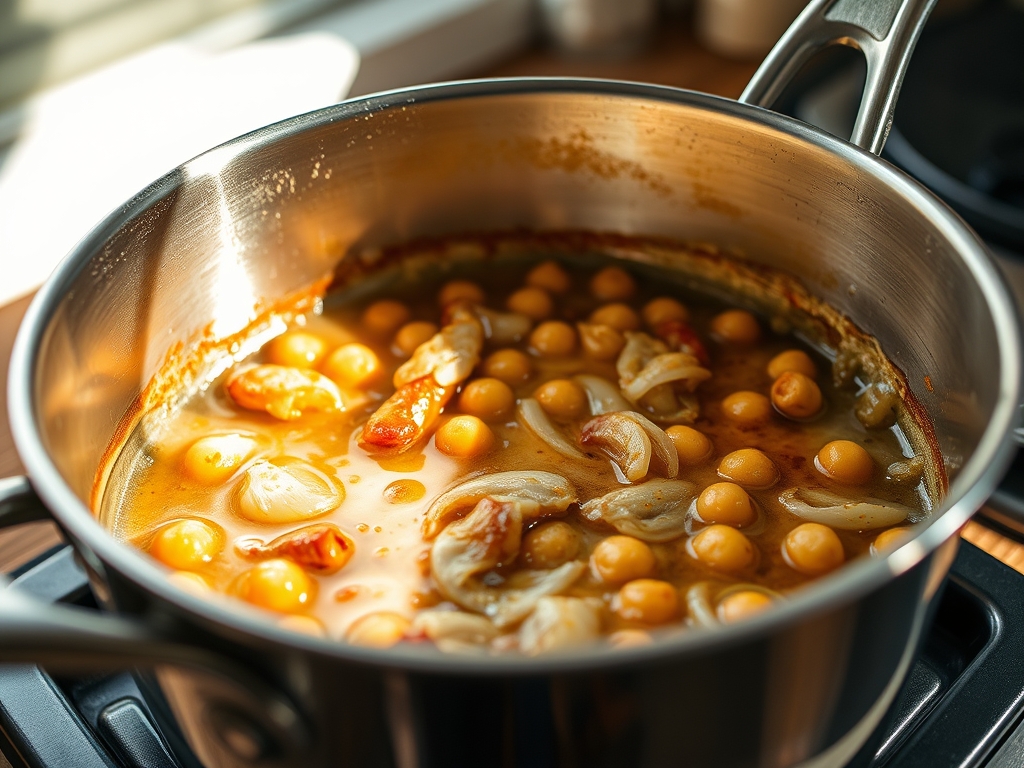
Drain your chickpeas using a stainless steel colander and transfer them to a large glass mixing bowl. Use a digital scale to ensure your vegetable ratios are precise. Use a sharp chef knife to achieve a consistent 5mm dice on your cucumbers and onions.
Pro Tip: Use a bench scraper to transfer your diced aromatics from the cutting board to the bowl. This prevents the "dullness" that occurs when you slide a knife blade across a board; preserving your edge for the next audit.
Step 2: The Emulsion Matrix
In a small saucier or glass jar, combine the lemon juice, Dijon mustard, and spices. Slowly stream in the olive oil while whisking vigorously. You are looking for a viscous consistency where the oil and acid have bonded into a singular, creamy phase.
Pro Tip: The mustard acts as a surfactant. Its mucilage properties prevent the oil droplets from coalescing; ensuring the dressing clings to the chickpeas rather than pooling at the bottom of the bowl.
Step 3: The Integration Phase
Pour the dressing over the legume base. Use a silicone spatula to fold the ingredients together. Do not over-mix. You want to coat every surface without crushing the chickpeas into a paste.
Pro Tip: Let the salad sit for three minutes before serving. This allows the salt to draw out a microscopic amount of moisture from the vegetables; which further infuses the dressing with fresh cucumber essence.
Section B: Prep & Timing Fault-Lines:
The most common failure in a 10 Min Chickpea Salad is the "temperature creep." If your chickpeas are room temperature and your cucumbers are warm, the salad loses its refreshing edge. Always use chilled vegetables. Another fault-line is the "drain failure." If you do not dry your chickpeas thoroughly after rinsing, the residual water will dilute your emulsion; resulting in a thin, flavorless liquid at the base of your bowl. Use a clean kitchen towel to pat the legumes dry before adding the dressing.
THE VISUAL SPECTRUM
Section C: Thermal & Visual Troubleshooting:
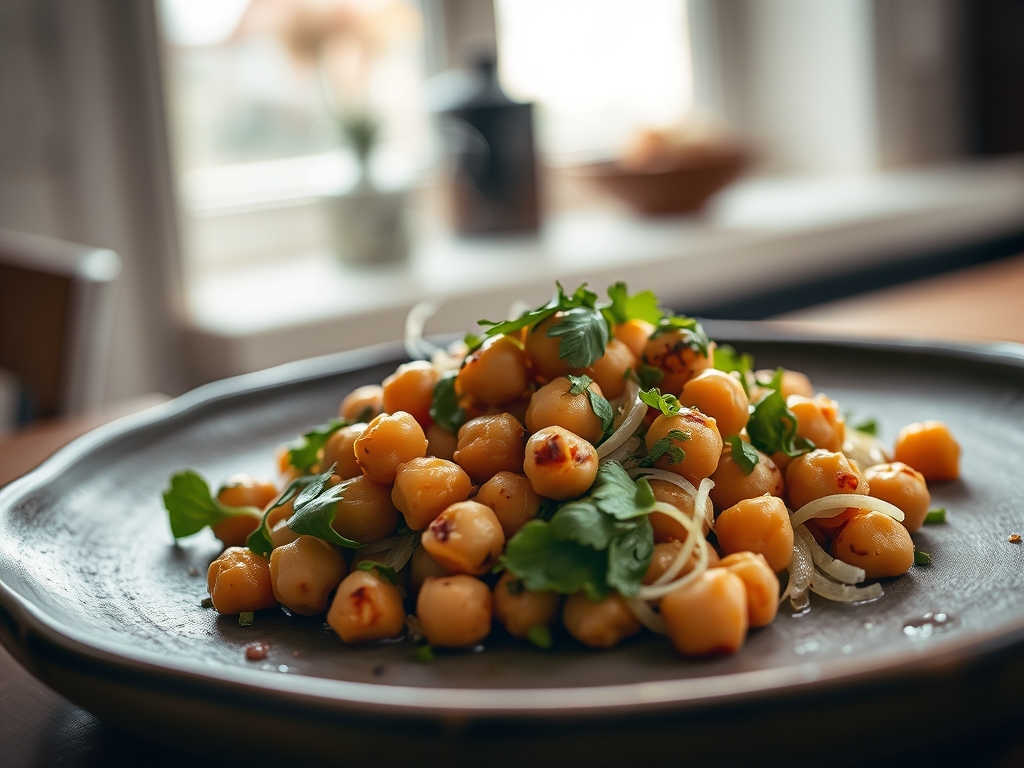
Referencing the Masterclass photo above, observe the vibrant contrast between the pale gold of the chickpeas and the deep emerald of the cucumber skins. If your salad looks "gray" or dull, your acid balance is off or your herbs are oxidized. To fix dullness, add a final "pop" of fresh lemon zest right before service. This adds bright yellow flecks that catch the light. If the dressing looks "broken" or greasy, you likely skipped the mustard or didn't whisk with enough force to aerate the mixture. A quick toss with a teaspoon of warm water can often re-emulsify a broken dressing in seconds.
THE DEEP DIVE
Macro Nutrition Profile:
This dish is a powerhouse of slow-release carbohydrates and plant-based protein. One serving typically yields 12g of protein, 9g of fiber, and a significant dose of iron and magnesium. The healthy fats from the olive oil ensure the fat-soluble vitamins in the vegetables are actually absorbed by your system.
Dietary Swaps:
For a Vegan profile, this recipe is already compliant. For a Keto variation, reduce the chickpea volume by half and substitute with toasted walnuts or hemp hearts to maintain the crunch while lowering the net carb count. For Gluten-Free requirements, ensure your Dijon mustard is certified, as some brands use thickeners containing wheat.
Meal Prep & Reheating Science:
Unlike leaf-based salads, this assembly thrives in the refrigerator. The molecular structure of the chickpea is robust enough to withstand a 48-hour soak in acidic dressing without turning to mush. In fact, the flavor profile often improves as the spices infuse deeper into the legumes. Do not reheat. This is a cold-chain execution. If the oil solidifies in the fridge, let it sit at room temperature for five minutes to return the lipids to a liquid state.
THE KITCHEN TABLE
Why are my chickpeas so bland even with dressing?
You likely missed the salt during the initial mix. Salt is a flavor bridge. Without it, the tongue cannot perceive the nuances of the lemon or the earthiness of the chickpeas. Season aggressively and taste as you go.
Can I use dried chickpeas instead of canned?
Yes, but you must factor in the hydration and cook time. Dried beans require a 12-hour soak and a 60-minute simmer. For a true 10 Min Chickpea Salad, high-quality canned options are the standard operational requirement.
My dressing is too sour. How do I neutralize it?
Do not add sugar immediately. Instead, add a tiny pinch of salt or more olive oil. If the acidity is still too sharp, a half-teaspoon of honey or maple syrup can balance the PH without making the dish sweet.
How do I keep the cucumbers from getting soggy?
The "weeping" of cucumbers is caused by osmosis. To prevent this in long-term storage, de-seed the cucumber before dicing. Removing the watery core keeps the flesh crisp and prevents the dressing from becoming watery over time.