Stop watching the clock and start watching the pan because we are about to engage in a high-velocity chemical transformation. The 15 Min Shrimp Scampi is not merely a weeknight meal; it is a masterclass in rapid acid-lipid emulsification. We are talking about the intersection of high-heat protein denaturation and the delicate suspension of butterfat in a piquant wine reduction. Most amateur attempts at this dish result in a greasy puddle or rubbery, over-carbonized crustaceans. Not today. We are auditing your kitchen infrastructure to ensure that every milligram of garlic is toasted to a perfect golden hue and every shrimp achieves that snappy, succulent bite that defines culinary excellence. This is a race against the clock where the prize is a viscous, silk-like sauce that clings to pasta with magnetic intensity. We are stripping away the fluff and focusing on the raw thermal data required to execute this dish with surgical precision. Strap in; your stovetop is about to become a high-performance laboratory of flavor.
THE DATA MATRIX
| Metric | Specification |
|---|---|
| Prep Time | 7 Minutes |
| Execution Time | 8 Minutes |
| Yield | 4 Servings |
| Complexity | 3/10 |
| Estimated Cost per Serving | $6.50 – $8.00 |
THE GATHERS
Ingredient Protocol:
- Shrimp: 680g / 1.5 lbs (Size 16/20, peeled and deveined)
- Dry White Wine: 120ml / 0.5 cup (Pinot Grigio or Sauvignon Blanc)
- Unsalted Butter: 115g / 0.5 cup (High-fat European style preferred)
- Extra Virgin Olive Oil: 30ml / 2 tbsp
- Fresh Garlic: 6 large cloves (Mined or microplaned)
- Red Pepper Flakes: 2g / 0.5 tsp
- Lemon Juice: 30ml / 2 tbsp (Freshly squeezed)
- Fresh Parsley: 15g / 0.25 cup (Finely chopped)
- Kosher Salt: To taste
- Black Pepper: To taste (Freshly cracked)
- Linguine or Crusty Bread: For serving base
Section A: Ingredient Quality Audit:
The primary failure point in a 15 Min Shrimp Scampi is the moisture content of the shrimp. If you are using frozen shrimp, they must be fully thawed and patted bone-dry with paper towels. Excess surface moisture triggers steam rather than the Maillard reaction, leaving you with grey, flaccid protein. If your garlic is sprouting green hearts, remove them; those embryos contain bitter compounds that will ruin the delicate balance of the sauce. Finally, ensure your butter is cold when it hits the pan for the final mounting. Warm butter breaks too easily, whereas cold butter allows for a stable, viscous emulsion as the milk solids integrate slowly into the wine and lemon juice.
THE MASTERCLASS
Step 1: Thermal Priming and Searing
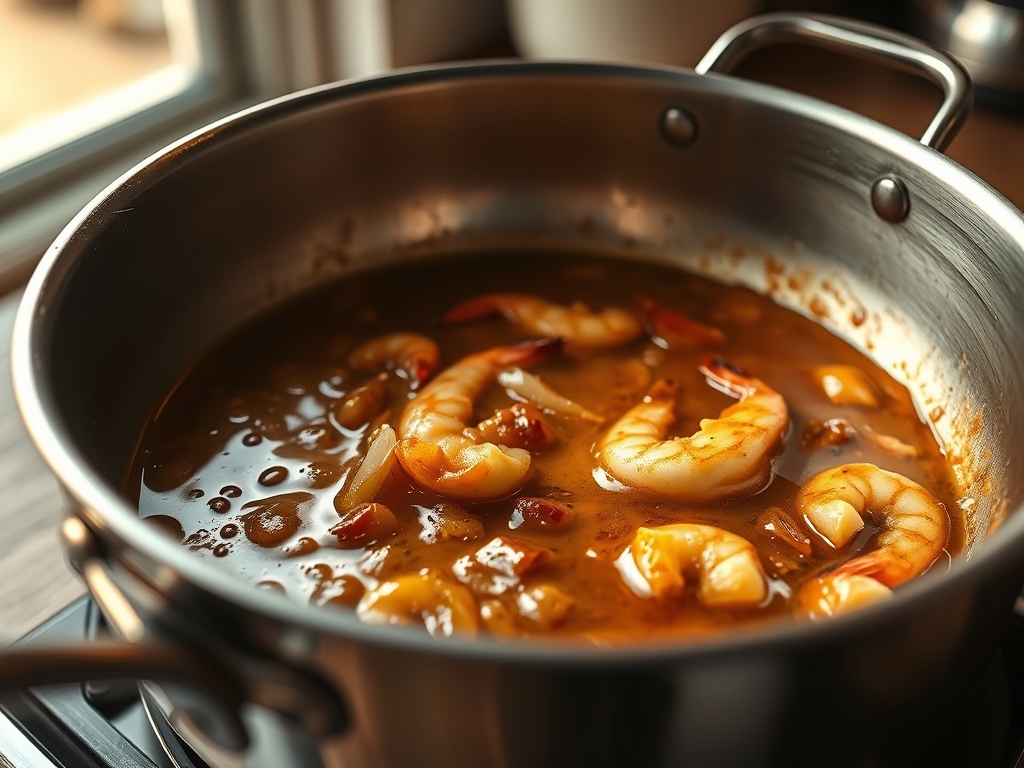
Set a heavy-bottomed saucier or stainless steel skillet over medium-high heat. Add the olive oil and 15g of butter. Once the butter foams and subsides, add the shrimp in a single, uncrowded layer. Season aggressively with salt and pepper. Sear for 60 to 90 seconds per side until just pink. Remove shrimp immediately to a side plate using a bench scraper or slotted spoon.
Pro Tip: This step utilizes conductive heat transfer to create a slight crust. Do not cook the shrimp through; they will finish in the residual heat of the sauce. Overcooking at this stage leads to a "rubbery" texture as the muscle fibers contract too tightly.
Step 2: The Aromatic Infusion
Lower the heat to medium. Add another 15g of butter to the pan. Toss in the minced garlic and red pepper flakes. Sauté for exactly 30 to 45 seconds until fragrant but not browned.
Pro Tip: Garlic contains volatile sulfur compounds that turn acrid if scorched. By using a digital scale to measure your spices and keeping a close eye on the color, you ensure the garlic stays sweet and nutty. This is the "infusion" phase where the lipids absorb the piquant essence of the aromatics.
Step 3: Deglazing and Reduction
Increase the heat to high and pour in the white wine. Use a wooden spoon to deglaze the pan, scraping up any browned bits (fond) from the bottom. Let the liquid reduce by half. This should take approximately 2 to 3 minutes.
Pro Tip: Reduction concentrates the acidity and sugars in the wine. This creates the structural backbone of your sauce. Without this concentration, your scampi will taste "watery" and lack the necessary punch to stand up to the rich butter.
Step 4: The Final Emulsion
Reduce heat to low. Whisk in the remaining cold butter, one tablespoon at a time, followed by the lemon juice. Return the shrimp and any accumulated juices to the pan. Toss to coat for 1 minute until the sauce is glossy and thick. Fold in the parsley.
Pro Tip: This is the monter au beurre technique. By whisking cold fat into a hot liquid, you create a stable emulsion. The lemon juice acts as a surfactant, helping the fat and water-based wine stay unified in a velvety sheen.
Section B: Prep & Timing Fault-Lines:
The most common human error is the "Garlic Gap." This happens when you start the garlic before the shrimp is prepped. In a 15 Min Shrimp Scampi, the timeline is compressed; if you are peeling shrimp while the garlic is in the pan, you will burn the aromatics. All ingredients must be "mise en place" before the first drop of oil hits the steel. Use a digital timer to track your reduction. If the wine reduces too far, the sauce will break into a greasy mess. If this happens, whisk in a tablespoon of pasta water to re-bind the emulsion.
THE VISUAL SPECTRUM
Section C: Thermal & Visual Troubleshooting:
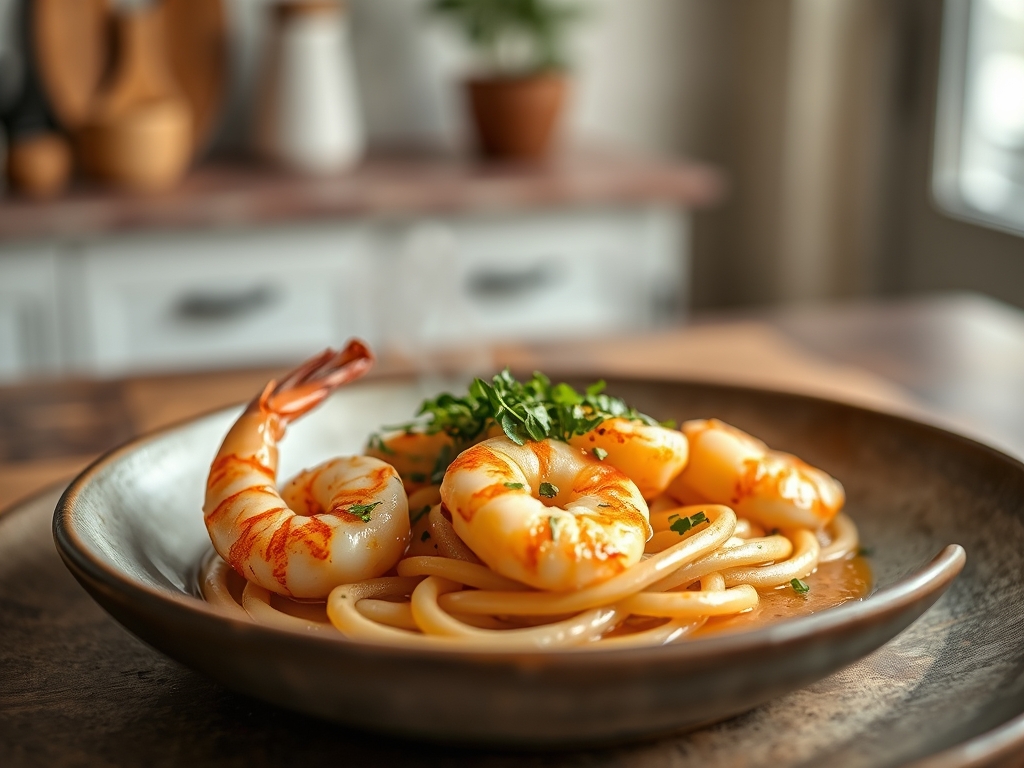
Referencing the Masterclass photo, your final product should exhibit a vibrant, translucent orange hue on the shrimp with distinct charred edges. If your shrimp look "matte" or white, your pan temperature was too low. The sauce should be an opaque, pale gold; if it looks clear or separated, the emulsion has failed. Ensure the parsley is added at the very end to maintain its bright chlorophyll green. If the herbs look dark or "muddy," they were exposed to high heat for too long. The visual cues of a perfect scampi are high contrast: bright red flakes, green herbs, and golden-pink protein.
THE DEEP DIVE
Macro Nutrition Profile:
A standard serving of this scampi (without pasta) provides approximately 350 calories, 35g of protein, 22g of fat, and 4g of carbohydrates. It is a high-density protein source with a significant lipid profile from the butter and olive oil.
Dietary Swaps:
- Vegan: Replace shrimp with king oyster mushroom medallions and use a high-quality plant-based butter alternative.
- Keto: Serve over zoodles or roasted cauliflower. The base recipe is naturally low-carb.
- GF: Ensure your wine choice is dry and serve with gluten-free pasta or over a bed of sautéed spinach.
Meal Prep & Reheating Science:
To maintain the molecular structure during reheating, avoid the microwave. High-frequency waves will toughen the shrimp instantly. Instead, reheat in a pan over low heat with a splash of water or broth. This gently thins the solidified butter and brings the emulsion back to life without over-denaturing the proteins.
THE KITCHEN TABLE
Why is my sauce so oily?
Your emulsion likely broke because the heat was too high when you added the final butter. Remove the pan from the heat entirely and whisk in a teaspoon of warm water to pull the fats back into suspension.
Can I use bottled lemon juice?
Absolutely not. Bottled juice lacks the bright, volatile oils found in fresh zest and pulp. For a dish with so few ingredients, the enzymatic freshness of a real lemon is non-negotiable for the flavor profile.
What wine works best for scampi?
Choose a crisp, high-acid white wine like Pinot Grigio. Avoid oaked Chardonnays; the tannins and vanilla notes from the oak will clash with the garlic and lemon, creating a strange, metallic aftertaste in the reduction.
How do I know the shrimp are done?
Watch the shape. Shrimp transition from a "U" shape (perfectly cooked) to a tight "C" or "O" shape (overcooked). Remove them the moment they form a gentle curve and the flesh turns opaque.