The clock is your primary adversary in the high-stakes theater of the weeknight kitchen. You are staring down a hunger curve that is trending toward a total systemic collapse; you need flavor, you need fiber, and you need it before the next calendar notification pings. Welcome to the world of Legume Rapid Saturation. We are not just making dinner; we are deploying a high-velocity culinary strike known as 10 Min Black Bean Tacos. The goal is simple: achieve maximum Maillard reaction and flavor density in the time it takes to brew a pot of coffee. We are talking about the viscous richness of seasoned beans meeting the piquant snap of pickled onions and the charred, smoky embrace of a toasted tortilla. This is not a slow-simmered luxury. This is an infrastructure project designed for low-latency hunger management. By leveraging pre-processed legumes and high-octane aromatics, we bypass the traditional twenty-four-hour soak cycle and jump straight into the sensory payoff. Prepare your station; the audit begins now.
THE DATA MATRIX
| Metric | Specification |
|---|---|
| Prep Time | 3 Minutes |
| Execution Time | 7 Minutes |
| Yield | 4 Units (2 Servings) |
| Complexity (1-10) | 2 |
| Estimated Cost per Serving | $1.85 USD |
THE GATHERS
Ingredient Protocol:
- 425g / 15oz Canned Black Beans (Unsalted preferred)
- 15ml / 1 tbsp Neutral Oil (Avocado or Grapeseed)
- 5g / 1 tsp Cumin Seeds (Whole)
- 3g / 0.5 tsp Smoked Paprika (Pimenton)
- 2g / 0.5 tsp Garlic Powder
- 30ml / 2 tbsp Water or Vegetable Stock
- 4 Small Corn Tortillas (15cm / 6 inch)
- 50g / 0.25 cup Pickled Red Onions
- 15g / 1 tbsp Fresh Cilantro (Roughly chopped)
- 1 Lime (Halved for infusing acidity)
Section A: Ingredient Quality Audit:
Sub-par raw materials will sabotage your latency goals. If your canned beans are "mushy" straight out of the tin, they lack structural integrity. Fix: Rinse them in ice-cold water to remove excess starch and firm up the skins before they hit the pan. If your spices smell like dusty cardboard, the volatile oils have evaporated. Fix: Bloom them in hot oil for exactly thirty seconds to reactivate any remaining aromatic compounds. If your tortillas are brittle, they are dehydrated. Fix: Wrap them in a damp paper towel and microwave for fifteen seconds to re-introduce moisture through steam.
THE MASTERCLASS
1. Thermal Priming and Spice Blooming
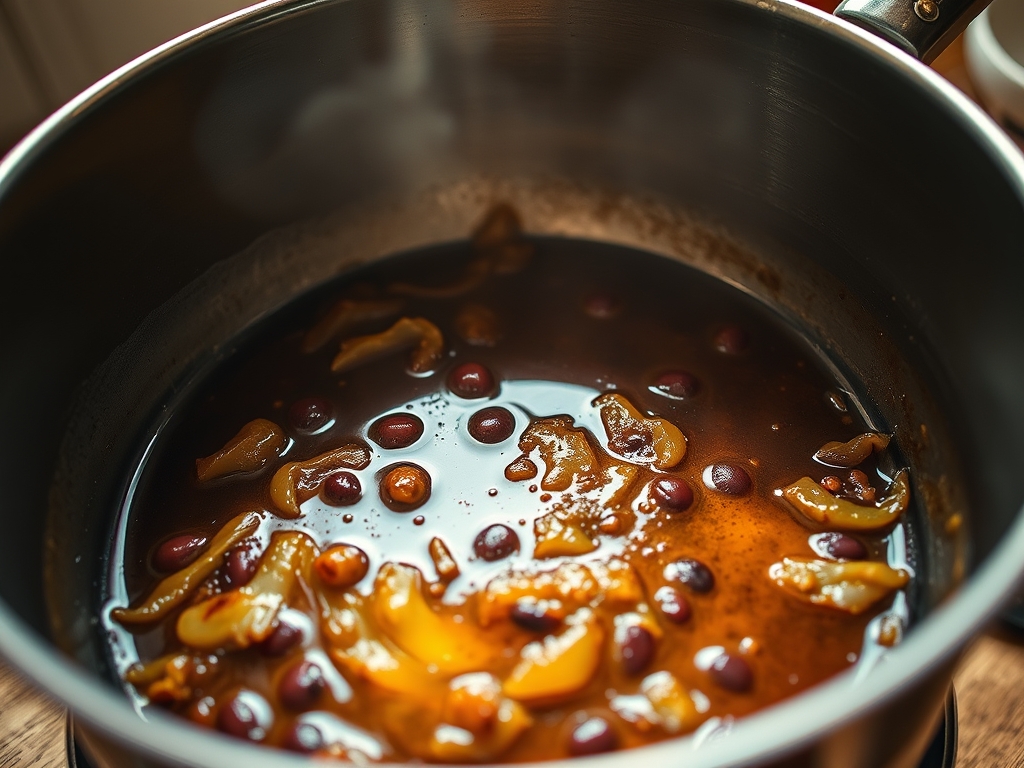
Place a stainless steel saucier or cast-iron skillet over medium-high heat. Add your neutral oil. Once the oil shimmering, drop in the cumin seeds. They should sizzle immediately. After thirty seconds, add the smoked paprika and garlic powder. This creates a flavor-infused lipid base that will coat every millimeter of the legumes.
Pro Tip: Use a digital infrared thermometer to ensure your pan surface is between 175C and 190C (350F to 375F). This temperature range is the "sweet spot" for blooming spices without scorching the delicate pigments.
2. Legume Saturation and Deglazing
Dump the rinsed beans into the pan. The residual moisture will cause a violent steam release; this is good. Use a bench scraper or heat-resistant spatula to move the beans constantly. Add your water or stock. As the liquid evaporates, it will deglaze the pan, pulling up all the toasted spice particles and binding them to the beans in a viscous sauce.
Pro Tip: Use the back of your spoon to crush roughly ten percent of the beans. This releases internal starches which act as a natural thickener, creating a creamy mouthfeel without the need for added fats or dairy.
3. Tortilla Conditioning
While the beans simmer on low, place your tortillas directly over a secondary gas flame or on a hot dry griddle. You are looking for localized charring and "puffing" which indicates the air between the masa layers is expanding.
Pro Tip: A digital scale can help you portion exactly 100g of bean filling per taco for consistent nutritional tracking and structural stability; overfilling leads to catastrophic shell failure.
4. Final Assembly and Acid Integration
Remove the beans from the heat. Squeeze half a lime over the mixture to provide a bright, high-note contrast to the earthy cumin. Deposit the beans into the charred tortillas. Top with pickled onions and cilantro.
Pro Tip: Use a microplane to zest the remaining lime over the top. The citrus oils in the zest provide a more intense aromatic experience than the juice alone, hitting the olfactory receptors before the first bite.
Section B: Prep & Timing Fault-Lines:
The most common failure in 10 Min Black Bean Tacos is "Liquid Overload." If your bean mixture is soupy, you didn't allow enough evaporation time. Increase the heat and stir aggressively to render the liquid into a glaze. Conversely, if the beans are sticking to the pan, your heat is too high or your "latency" was too long. Add a splash of water immediately to rescue the texture.
THE VISUAL SPECTRUM
Section C: Thermal & Visual Troubleshooting:
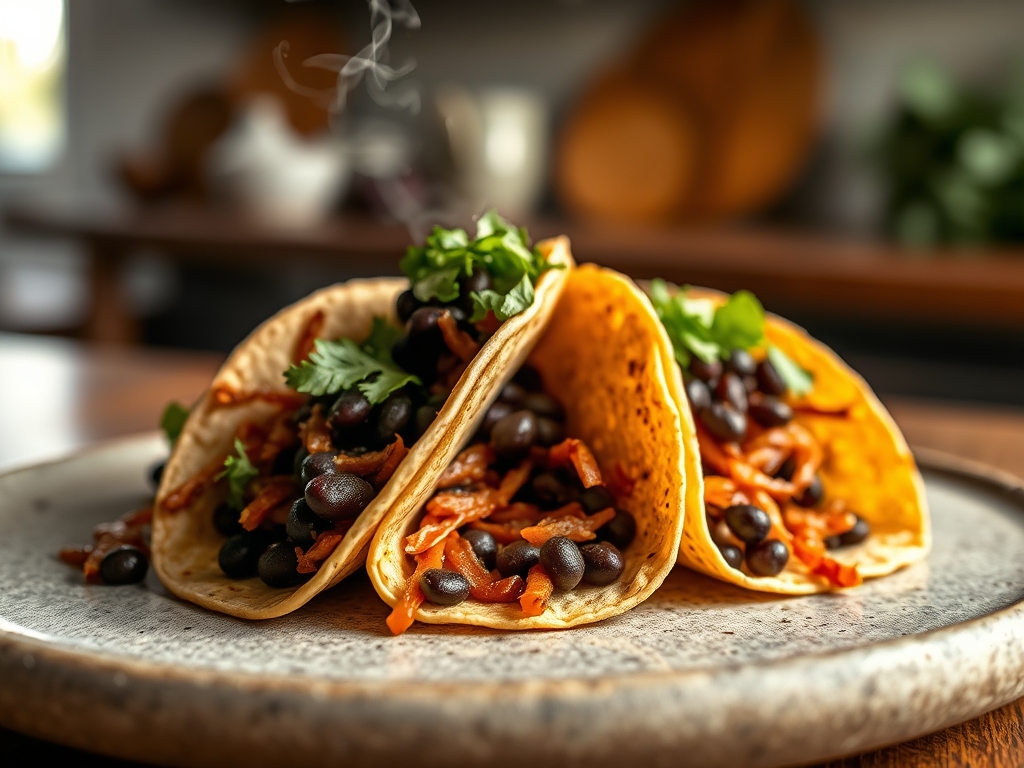
Look at the Masterclass photo. Note the "Glisten Factor" on the beans; this indicates proper emulsification of oil and starch. If your beans look matte or grey, you skipped the blooming phase or used old spices. The tortillas should show "Leopard Spotting" (small black charred circles). If they are uniformly brown, your pan was too cool, resulting in a leathery texture rather than a crisp-tender one. Finally, the cilantro must be vibrant green. If it looks wilted or black, it was exposed to residual heat for too long; always apply fresh herbs as the very last step of the infrastructure deployment.
THE DEEP DIVE
Macro Nutrition Profile:
A standard two-taco serving provides approximately 340 calories, 12g of protein, 14g of fiber, and 6g of healthy fats. This high fiber-to-calorie ratio ensures a slow glucose release, preventing the post-lunch energy crash often associated with high-speed meals.
Dietary Swaps:
- Vegan: Already compliant. Ensure your "neutral oil" isn't a butter-blend.
- Keto: Swap the corn tortillas for large romaine lettuce leaves or almond-flour wraps. Increase the fat content by adding sliced avocado.
- Gluten-Free: Use certified 100% corn tortillas and check your smoked paprika for anti-caking agents that may contain gluten.
Meal Prep & Reheating Science:
To maintain molecular structure during reheating, store the beans and tortillas separately. Reheat the beans in a microwave with a damp cover to prevent dehydration. Never microwave the tortillas; always use a dry pan to re-crisp them, or they will become gummy due to starch retrogradation.
THE KITCHEN TABLE
Can I use dried beans for this?
Not within the 10-minute infrastructure. Dried beans require a 12-hour soak and a 90-minute simmer. For this specific low-latency protocol, high-quality canned beans are the mandatory hardware.
Why do my tortillas always crack?
Brittleness is a symptom of low moisture. Heat them quickly with steam or direct flame. If they are cold when you fold them, the starch molecules are rigid and will snap.
What is the best oil for this?
Use an oil with a high smoke point like avocado or refined coconut oil. Extra virgin olive oil has a lower smoke point and can develop bitter off-notes when used for high-heat spice blooming.
How do I make it spicier?
Add finely diced jalapenos during the spice blooming phase. The heat in peppers is fat-soluble; sautéing them in oil ensures the capsaicin is distributed evenly throughout the entire batch of beans.