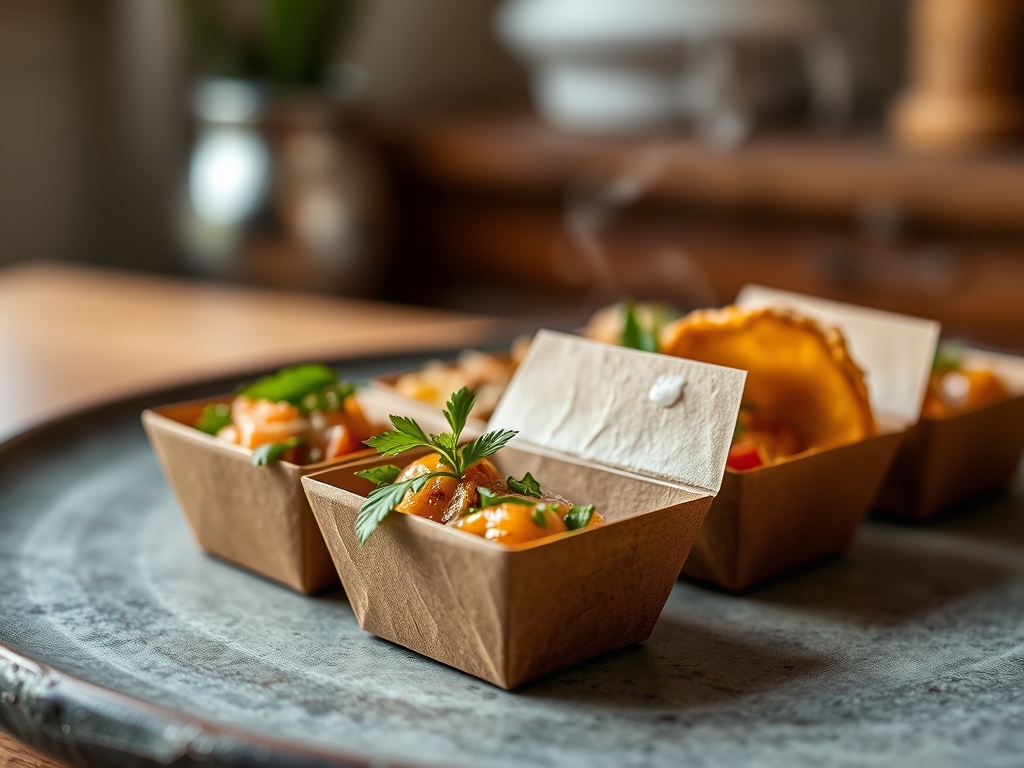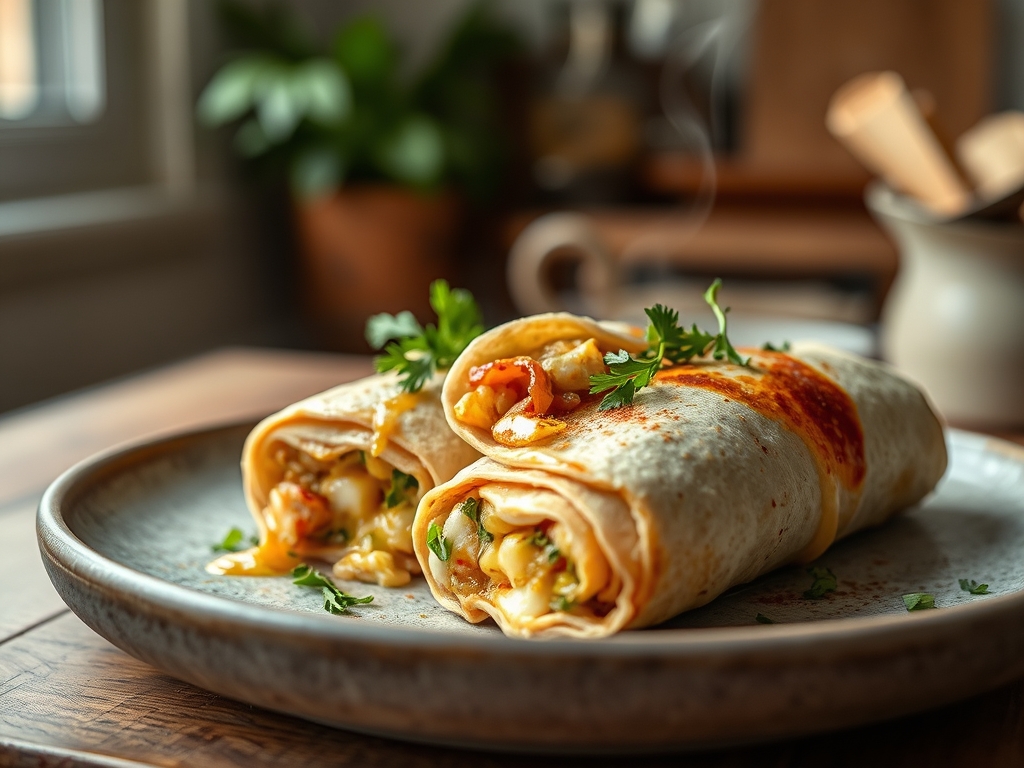
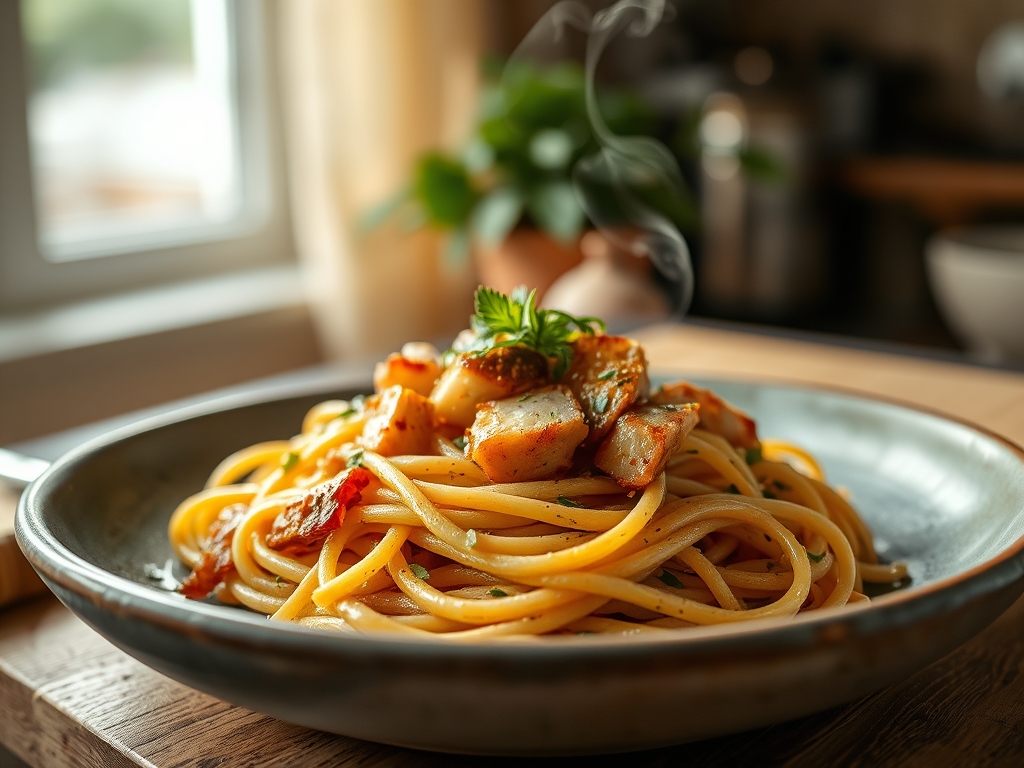
Forget the tepid, watery noodles of your childhood. We are here to re-engineer the pantry into a high-performance engine of flavor. When the clock is ticking and the hunger is visceral, you need a solution that bridges the gap between survival and gourmet excellence. Enter the Quick Tuna Pasta. This is not a compromise; it is a tactical strike on mediocrity. Imagine the sharp, piquant aroma of garlic hitting hot olive oil, followed by the savory depth of oil-packed tuna as it begins to render and infuse the base. We are looking for a texture that is silky and viscous, coating every strand of pasta in a shimmering emulsion of starch and fat. This dish relies on the architecture of shelf-stable proteins to deliver a punch of umami that rivals fresh seafood. We are talking about a fifteen-minute turnaround that yields a plate of food so vibrant it feels illegal. Prepare to audit your kitchen infrastructure and elevate a humble tin of fish into a masterclass of efficiency and taste.
THE DATA MATRIX
| Metric | Specification |
|---|---|
| Prep Time | 5 Minutes |
| Execution Time | 10 Minutes |
| Yield | 2 Servings |
| Complexity (1-10) | 3 |
| Estimated Cost per Serving | $2.75 |
THE GATHERS
Ingredient Protocol:
- 200g / 7oz Spaghetti or Linguine
- 160g / 5.6oz Oil-packed Tuna (high-quality yellowfin preferred)
- 45ml / 3 tbsp Extra Virgin Olive Oil
- 4 Large Cloves Garlic (thinly sliced)
- 2g / 1 tsp Red Chili Flakes
- 30g / 2 tbsp Capers (drained)
- 15g / 0.5oz Fresh Parsley (finely chopped)
- 1/2 Lemon (zested and juiced)
- Sea Salt and Black Pepper to taste
Section A: Ingredient Quality Audit:
The primary failure point in a Quick Tuna Pasta is the selection of the protein. Water-packed tuna is a structural liability; it lacks the lipid profile necessary to create a rich sauce and often results in a chalky mouthfeel. If you only have water-packed tuna, you must compensate by increasing your olive oil volume and adding a teaspoon of anchovy paste to restore the missing umami. Another common issue is stale spices. If your chili flakes are brown rather than vibrant red, they will provide heat without the essential fruitiness. Toast them briefly in a dry pan before adding oil to awaken the dormant volatile compounds. Finally, ensure your pasta is a bronze-die cut variety. The rougher surface area is critical for the starch-to-fat emulsion to adhere to the noodle.
THE MASTERCLASS
1. Hydration and Starch Management
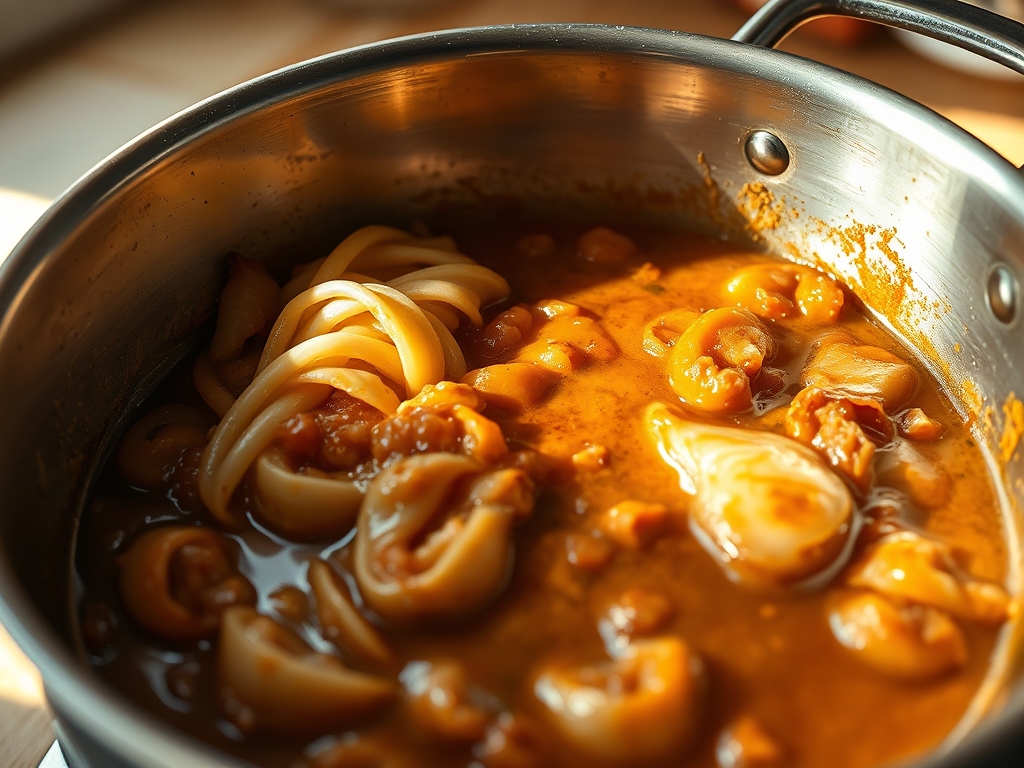
Bring a large pot of heavily salted water to a rolling boil. Use a digital scale to ensure your pasta-to-water ratio is correct. Drop the pasta and cook for two minutes less than the package instructions. We are aiming for a firm al dente, as the noodles will finish their thermal journey in the sauce.
Pro Tip: Use a saucier for the sauce component. The rounded bottom allows for superior whisking and prevents garlic from getting trapped in sharp corners and burning. The high starch concentration in the boiling water is your liquid gold; do not drain it away.
2. The Aromatic Infusion
While the pasta boils, place your olive oil in the saucier over medium-low heat. Add the sliced garlic and chili flakes. You are looking to infuse the oil, not deep-fry the aromatics. The garlic should become translucent and slightly golden but never dark brown.
Pro Tip: Use a bench scraper to transfer finely sliced garlic from your cutting board to the pan. This prevents bruising the delicate cells of the garlic, ensuring a clean, sharp flavor rather than a bitter, oxidized one.
3. Protein Integration and Rendering
Add the tuna (including the oil from the tin) and capers to the saucier. Use a wooden spoon to break the tuna into bite-sized chunks. Increase the heat to medium to allow the tuna to render slightly and the capers to pop, releasing their briny essence into the fat.
Pro Tip: Measuring your ingredients by weight on a digital scale ensures consistency. The oil in the tuna tin contains fat-soluble flavors that are essential for the final mouthfeel of the dish.
4. The Emulsion Phase
Using tongs, transfer the pasta directly from the water into the saucier. Add approximately 60ml / 1/4 cup of the starchy pasta water. Increase the heat to high and toss vigorously. The goal is to aerate the mixture, forcing the oil and starch-heavy water to form a creamy, stable emulsion.
Pro Tip: This is the "mantecatura" phase. The mechanical action of tossing creates a viscous coating that clings to the pasta. If the pan looks dry, add more pasta water a tablespoon at a time until the sauce shimmers.
5. Brightness and Finishing
Remove from heat. Add the lemon zest, lemon juice, and fresh parsley. Toss one final time to distribute the fresh elements. The residual heat will soften the parsley without destroying its bright green color or delicate enzymes.
Pro Tip: Always zest your lemon directly over the pan using a microplane. This ensures that the highly fragrant essential oils landing on the pasta are not lost to the cutting board.
Section B: Prep & Timing Fault-Lines:
The most frequent error is the "Dry Noodle Syndrome," caused by draining the pasta in a colander and letting it sit. This allows the surface starches to cool and glue the noodles together, making an emulsion impossible. Always move the pasta directly from water to sauce. If your timing is off and the sauce is ready before the pasta, remove the sauce from the heat. Reheating a fat-based sauce is easy; fixing overcooked, mushy pasta is impossible.
THE VISUAL SPECTRUM
Section C: Thermal & Visual Troubleshooting:
Referencing the Masterclass photo, your Quick Tuna Pasta should exhibit a distinct "sheen" rather than looking oily or wet. If the dish appears dull or matte, you likely lacked enough pasta water to bridge the gap between the oil and the noodles. If you see pools of oil at the bottom of the plate, the emulsion has broken; a splash of hot water and a vigorous toss can usually reintegrate it. The tuna should maintain some structural integrity; if it has turned into a grey paste, you have over-stirred it during the rendering phase. Look for the contrast of the green parsley and the red chili flakes against the golden-hued noodles to confirm a successful thermal execution.
THE DEEP DIVE
Macro Nutrition Profile:
A standard serving of this Quick Tuna Pasta provides approximately 550 calories. It is a powerhouse of lean protein (approx. 30g) and healthy monounsaturated fats from the olive oil. The complex carbohydrates from the pasta provide sustained energy release, while the capers and lemon add micronutrients without significant caloric load.
Dietary Swaps:
- Vegan: Replace tuna with mashed chickpeas and a sheet of crumbled nori to mimic the oceanic salinity. Use a high-quality seaweed-infused oil.
- Keto: Swap the wheat pasta for zoodles or shirataki noodles. Be aware that shirataki noodles do not release starch, so you may need a pinch of xanthan gum to achieve a viscous sauce.
- GF: Utilize brown rice or quinoa-based pasta. These often release more starch, so monitor your water additions carefully to avoid a gummy texture.
Meal Prep & Reheating Science:
To maintain molecular structure when reheating, avoid the microwave. The high-intensity waves vibrate water molecules too fast, causing the tuna to become rubbery and the emulsion to break. Instead, reheat in a pan with a splash of water or broth. This re-hydrates the starches and allows the fats to re-emulsify, restoring the original silky texture.
THE KITCHEN TABLE
Why does my tuna taste metallic?
This usually occurs with low-grade canned tuna. To fix this, deglaze the pan with a splash of dry white wine before adding the pasta. The acidity helps neutralize the metallic notes and brightens the overall profile of the fish.
Can I use tuna in water?
Yes, but you must compensate for the lack of fat. Add an extra tablespoon of olive oil and perhaps a pat of butter at the end to ensure the sauce has the necessary body to coat the noodles effectively.
How do I stop the garlic from burning?
Start the garlic in cold oil and bring it up to temperature slowly. This allows the flavor to infuse the oil deeply without the exterior of the garlic reaching the bitter, burnt stage before the interior is cooked.
What is the best pasta shape?
Long, thin strands like spaghetti or linguine are traditional as they provide the best surface area for the emulsion. However, fusilli is an excellent alternative as the spirals act as a reservoir for the tuna and capers.