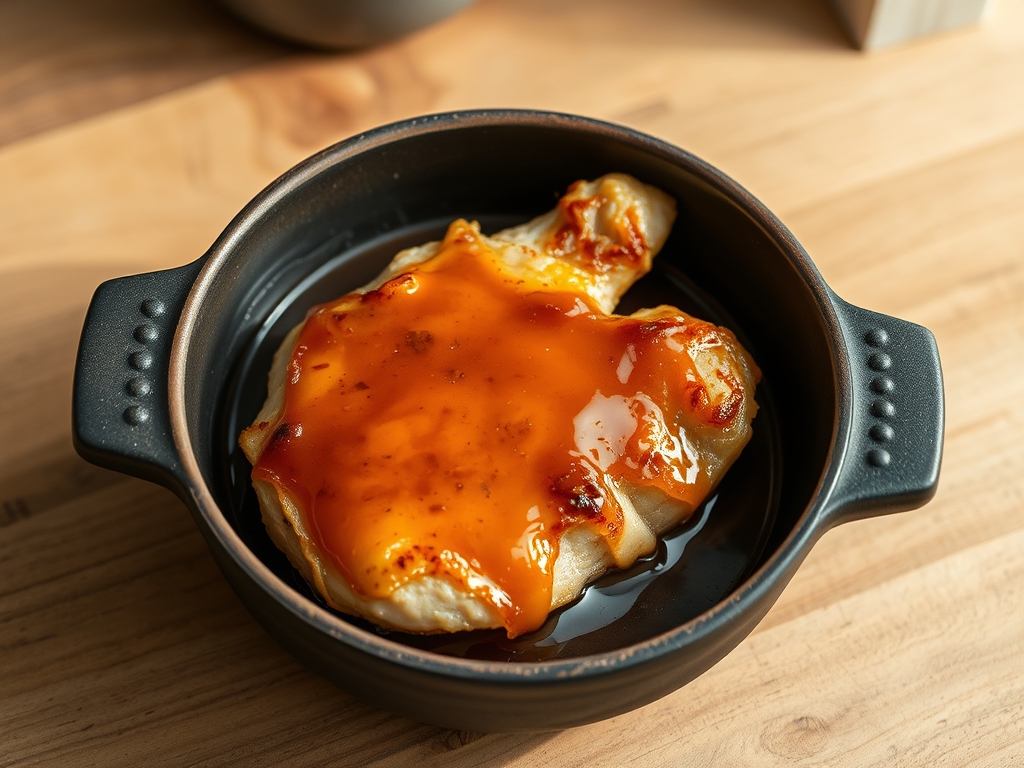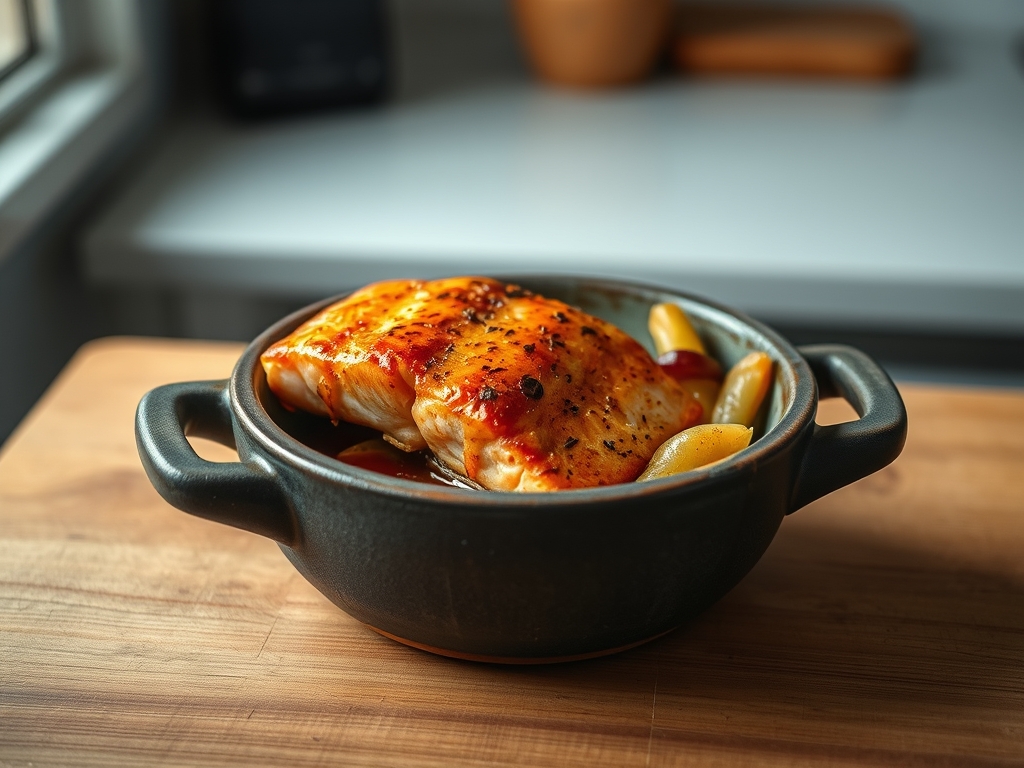
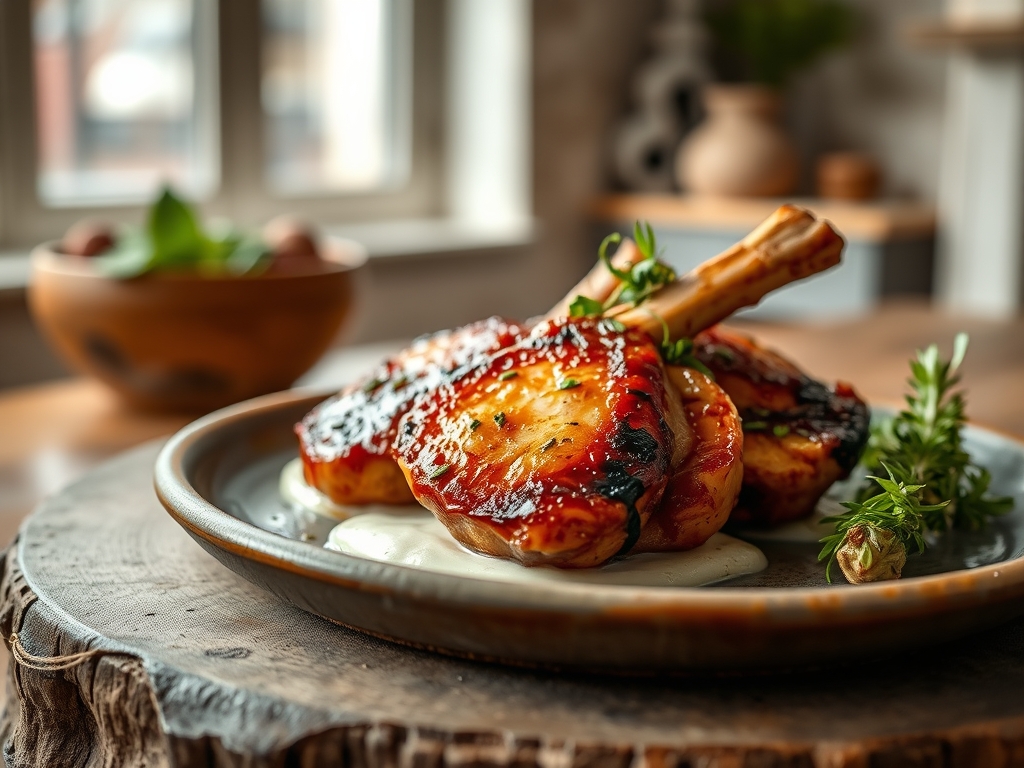
The kitchen is a battlefield of thermal dynamics where the pork chop is traditionally the first casualty. We have all witnessed it; a once-promising cut of loin reduced to a parched, fibrous disc that requires a gallon of gravy just to slide down the esophagus. This ends today. We are pivoting away from the erratic heat of the pan and toward the precision of high-velocity atmospheric cooking. Air Fryer Pork Chops represent the pinnacle of domestic moisture retention. By leveraging a concentrated convection current, we can achieve a rapid Maillard reaction on the exterior while the internal cellular structure remains pressurized and succulent. It is a game of timing, surface area, and lipid distribution. We are not just cooking dinner; we are auditing the very infrastructure of protein preparation to ensure that every bite is a masterclass in texture. Prepare your palate for a piquant crust and a center that defies the dry reputation of the modern pig.
THE DATA MATRIX
| Metric | Specification |
|---|---|
| Prep Time | 10 Minutes |
| Execution Time | 12 Minutes |
| Yield | 4 Servings |
| Complexity (1-10) | 3 |
| Estimated Cost per Serving | $3.50 USD |
THE GATHERS
Ingredient Protocol:
- 4 Bone-in Pork Chops (approx. 2.5cm / 1 inch thick)
- 30ml / 2 tbsp Extra Virgin Olive Oil
- 15g / 1 tbsp Brown Sugar (packed)
- 5g / 1 tsp Smoked Paprika
- 5g / 1 tsp Garlic Powder
- 5g / 1 tsp Onion Powder
- 3g / 0.5 tsp Mustard Powder
- Sea Salt and Cracked Black Pepper to taste
Section A: Ingredient Quality Audit:
The primary failure point in this protocol is the "Enhanced" pork chop. Many supermarket chains inject their meat with a saline solution to increase weight. This excess moisture will steam the meat from the inside out, preventing a crisp exterior. To fix this, always opt for air-chilled pork. If you are stuck with moisture-injected meat, you must perform a dry-brine. Generously salt the chops and leave them uncovered in the refrigerator for two hours. This allows the salt to penetrate the fibers and the surface to dehydrate, ensuring the rub adheres and the heat can render the fat effectively. Furthermore, ensure your spices are fresh; if your paprika smells like dust rather than smoke, it will fail to infuse the crust with the necessary depth.
THE MASTERCLASS
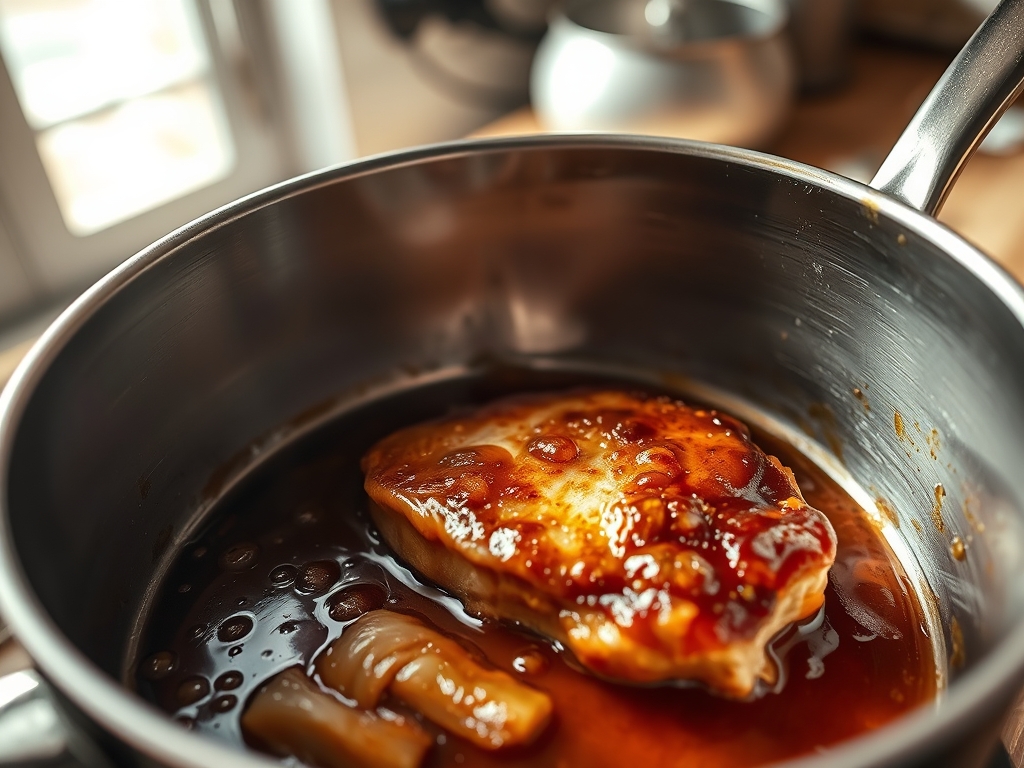
Step 1: Surface Preparation and Dehydration
Begin by using a high-quality paper towel to pat the chops bone-dry. Any residual surface moisture is the enemy of the Maillard reaction. Use a digital scale to measure your dry rub components into a small bowl, ensuring a consistent flavor profile across all four units. Once measured, whisk the spices to aerate the mixture, preventing clumps of mustard powder from creating bitter pockets on the meat.
Pro Tip: Use a bench scraper to clean your workstation immediately after seasoning. This prevents cross-contamination and keeps your prep area optimized for the next phase of the audit.
Step 2: Lipid Application and Rub Adhesion
Drizzle the olive oil over the chops. This acts as a thermal conductor and a glue for your dry rub. Massage the spice blend into every crevice of the meat, including the fat cap. The sugar in the rub is not just for flavor; it lowers the caramelization temperature, allowing the air fryer to create a deep mahogany crust in a fraction of the time.
Pro Tip: Use a saucier or a small metal ramekin to hold your oil. This allows for precise dipping and prevents the "bottle-glug" that leads to greasy, over-saturated meat.
Step 3: Convection Calibration and Loading
Preheat your air fryer to 200C / 400F for at least five minutes. This ensures the basket is a heat sink that will immediately begin searing the protein upon contact. Place the chops in the basket, ensuring they do not overlap. Airflow is the engine of this machine; if you crowd the basket, you create a steam chamber rather than a convection oven.
Pro Tip: Invest in an infrared thermometer to verify the basket temperature. Mechanical dials on older air fryers are notoriously inaccurate and can deviate by up to 15 degrees.
Step 4: The Thermal Flip and Final Render
Execute the cook for 6 minutes, then use silicone-tipped tongs to flip the chops. This redistribution of heat ensures the fat cap has equal opportunity to render against the heating element. Cook for an additional 4 to 6 minutes depending on the thickness of the cut.
Pro Tip: Use a digital instant-read thermometer to pull the pork at exactly 63C / 145F. Carrying over heat will continue to cook the meat during the rest phase, bringing it to a safe and juicy finish.
Section B: Prep & Timing Fault-Lines:
The most common human error is the "Cold Start." Taking pork directly from a 3C refrigerator and dropping it into a 200C air fryer creates a massive thermal shock. The exterior will overcook before the interior reaches the safety zone. Always temper your meat at room temperature for 20 minutes before execution. If you miss your timing and the meat is still cold, reduce the temperature to 180C and extend the cook time by 3 minutes to allow for a more gradual thermal climb.
THE VISUAL SPECTRUM
Section C: Thermal & Visual Troubleshooting:
Referencing the Masterclass photo above, look for the "Glisten Factor." A successful Air Fryer Pork Chop should have a semi-glossy exterior where the fats and sugars have formed a viscous glaze. If your chops look matte or gray, your temperature was too low or your rub lacked sufficient lipids. If the edges are charred but the center looks translucent, your chops were likely too thick for high-heat convection; next time, use a meat mallet to even out the thickness. Finally, if the bone is leaking red fluid, the internal temperature has not reached the threshold to denature the myoglobin. Return them to the heat for 120 seconds.
THE DEEP DIVE
Macro Nutrition Profile:
A standard 170g serving of these chops provides approximately 350 calories, 38g of protein, and 18g of fat. By using the air fryer, we eliminate the need for heavy breading or excessive frying oils, keeping the glycemic load negligible.
Dietary Swaps:
- Keto: The current protocol is keto-friendly if you swap the brown sugar for a monk fruit erythritol blend.
- Vegan: This rub works exceptionally well on thick-cut cauliflower steaks or firm tofu slabs.
- GF: This recipe is naturally gluten-free, provided your spices are not processed in a facility with wheat.
Meal Prep & Reheating Science:
To maintain molecular structure during reheating, avoid the microwave at all costs. The microwave excites water molecules, causing them to steam out of the meat and leaving it rubbery. Instead, return the chops to the air fryer at 175C / 350F for 3 to 4 minutes. This restores the exterior crunch without further depleting the internal moisture reserves.
THE KITCHEN TABLE
Why are my pork chops tough?
You likely overcooked them. Pork loin is very lean; even two minutes past the 63C / 145F mark will cause the muscle fibers to tighten and expel all moisture. Use a digital thermometer for precision.
Can I use boneless chops?
Yes, but reduce the cook time by 2 minutes. The bone acts as an insulator, slowing the thermal transfer. Boneless cuts cook faster and are more prone to drying out if not monitored closely.
Do I need to marinate them?
While not strictly necessary for this rapid protocol, a 30-minute soak in apple cider vinegar and salt can help break down tough connective tissues and infuse the meat with a bright, acidic note.
How do I get a better crust?
Increase the paprika and sugar ratio in your rub. These ingredients react most aggressively with the high-speed air to create that coveted "fried" texture without the vat of oil.