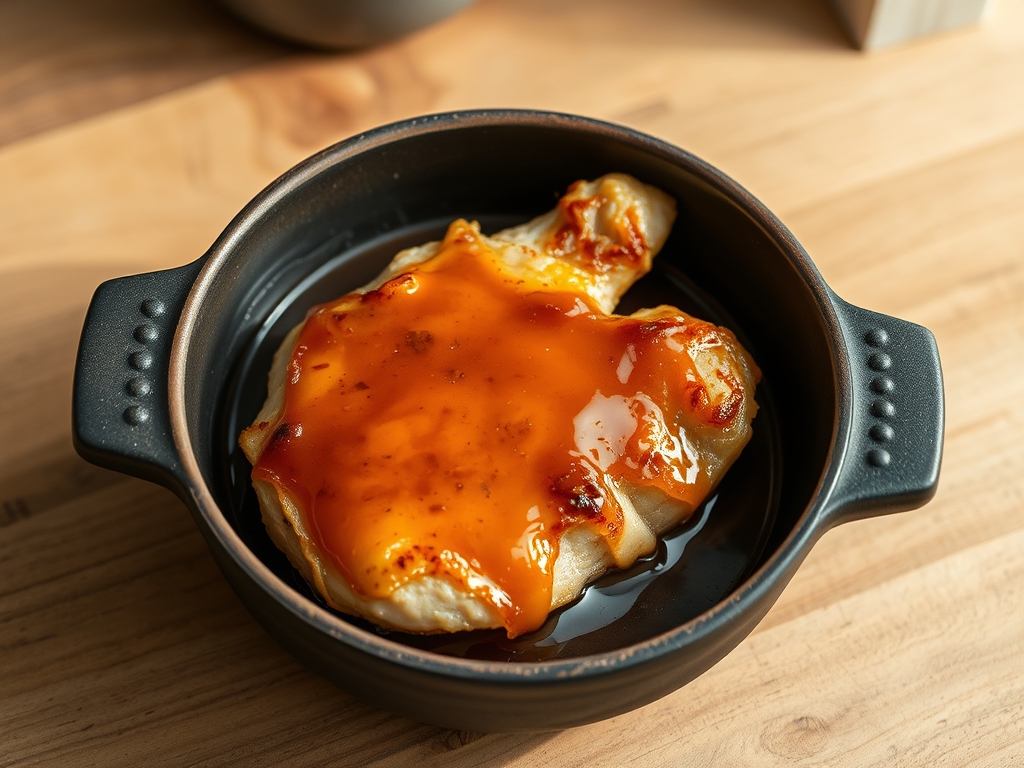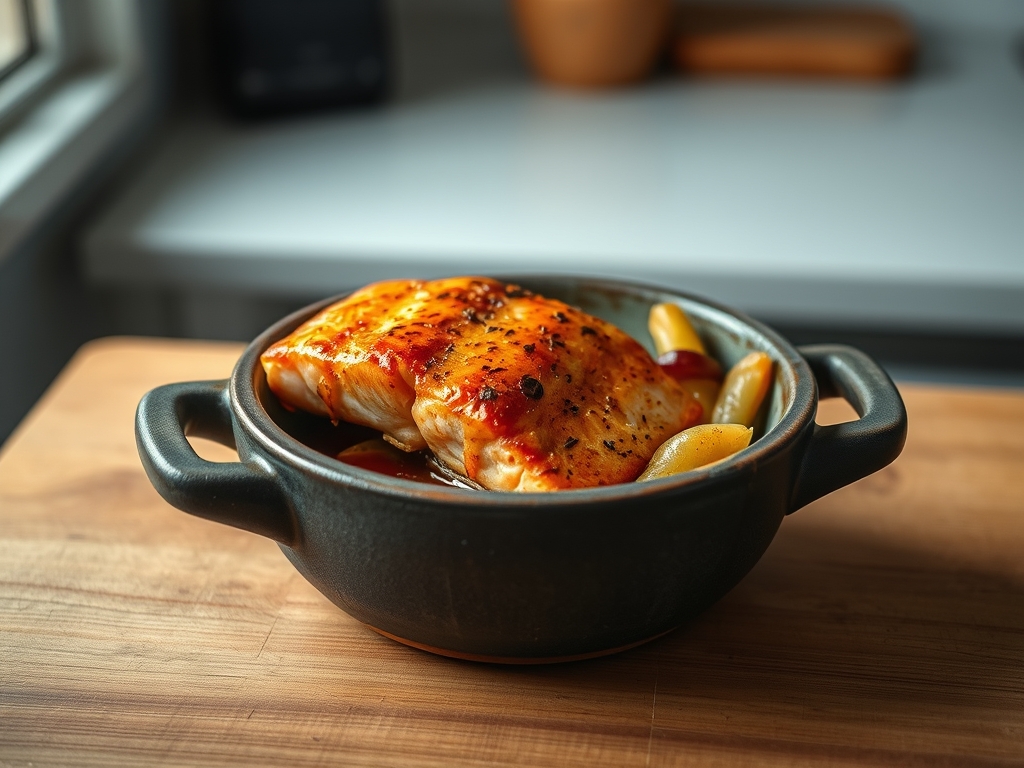
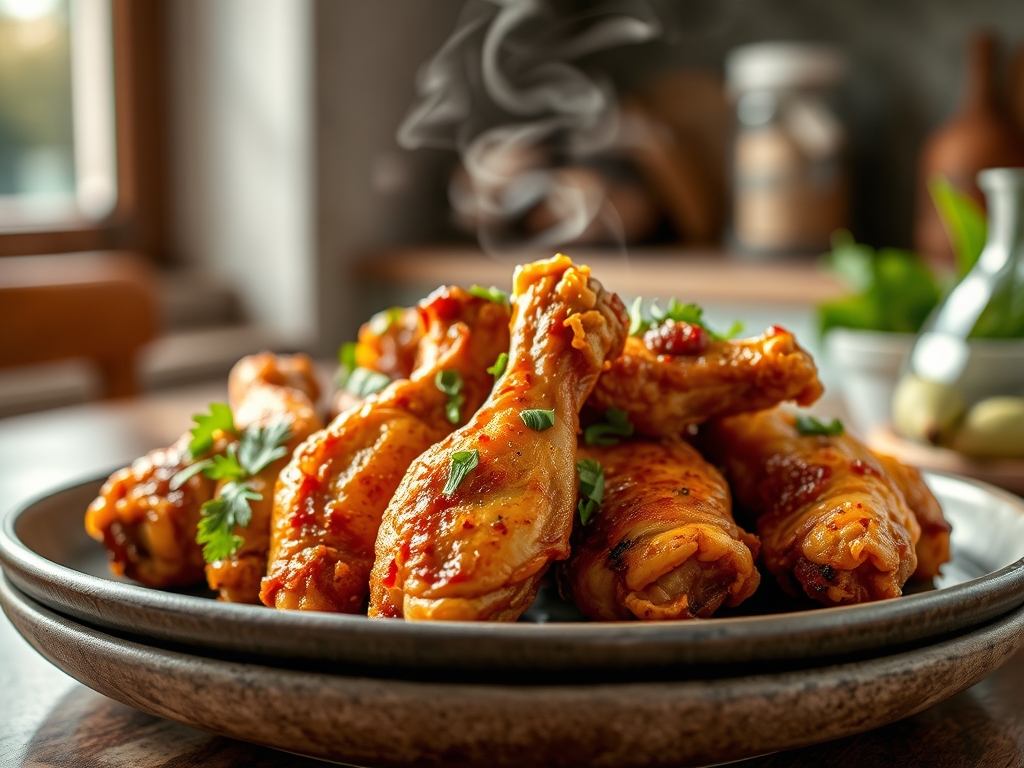
The acoustic signature of a perfect wing is unmistakable; it is the sharp, crystalline snap of skin that has undergone a complete molecular transformation. We are not here to discuss soggy, lackluster poultry that wilts under the weight of its own steam. We are here to master the physics of Air Fryer Chicken Wings. To achieve that elusive eighteen minute integrity, you must treat your kitchen like a high precision laboratory. The goal is simple but technically demanding: we must achieve total lipid rendering while simultaneously triggering the Maillard reaction to create a shatter-crisp exterior. This requires more than just heat; it requires an understanding of airflow and surface moisture. Most home cooks fail because they treat the air fryer like a microwave. It is not. It is a high velocity convection engine. By optimizing the surface area and managing the thermal load, we can produce a wing that rivals the finest deep-fried specimens in the world. Strap in, calibrate your sensors, and prepare for a masterclass in thermal crust formation.
THE DATA MATRIX
| Metric | Specification |
|---|---|
| Prep Time | 15 Minutes |
| Execution Time | 18 Minutes |
| Yield | 4 Servings |
| Complexity (1-10) | 4 |
| Estimated Cost per Serving | $3.50 |
THE GATHERS
Ingredient Protocol:
- 1.36 kg / 3 lbs Fresh Chicken Wings (separated into flats and drums)
- 15 ml / 1 tbsp Aluminum-Free Baking Powder
- 5 ml / 1 tsp Fine Sea Salt
- 2.5 ml / 0.5 tsp Smoked Paprika
- 60 ml / 0.25 cup Unsalted Butter (melted)
- 120 ml / 0.5 cup Piquant Aged Cayenne Pepper Sauce
- 2.5 ml / 0.5 tsp Garlic Powder
Section A: Ingredient Quality Audit:
The primary failure point in Air Fryer Chicken Wings is excess surface moisture. If your wings arrive sitting in a pool of purge (the pink liquid in the packaging), they are already compromised. Technical Fix: You must aerate the skin. Pat them dry with industrial-grade paper towels and let them sit uncovered in the refrigerator for at least two hours. If your baking powder is old, the pH shift required to break down the peptide bonds in the skin will not occur, resulting in a rubbery texture. Always test your leavening agents for potency before beginning the protocol. Finally, avoid "enhanced" chicken injected with saline; this excess water will steam the meat from the inside out, ruining the structural integrity of the crust.
THE MASTERCLASS
Step 1: The Moisture Extraction Protocol
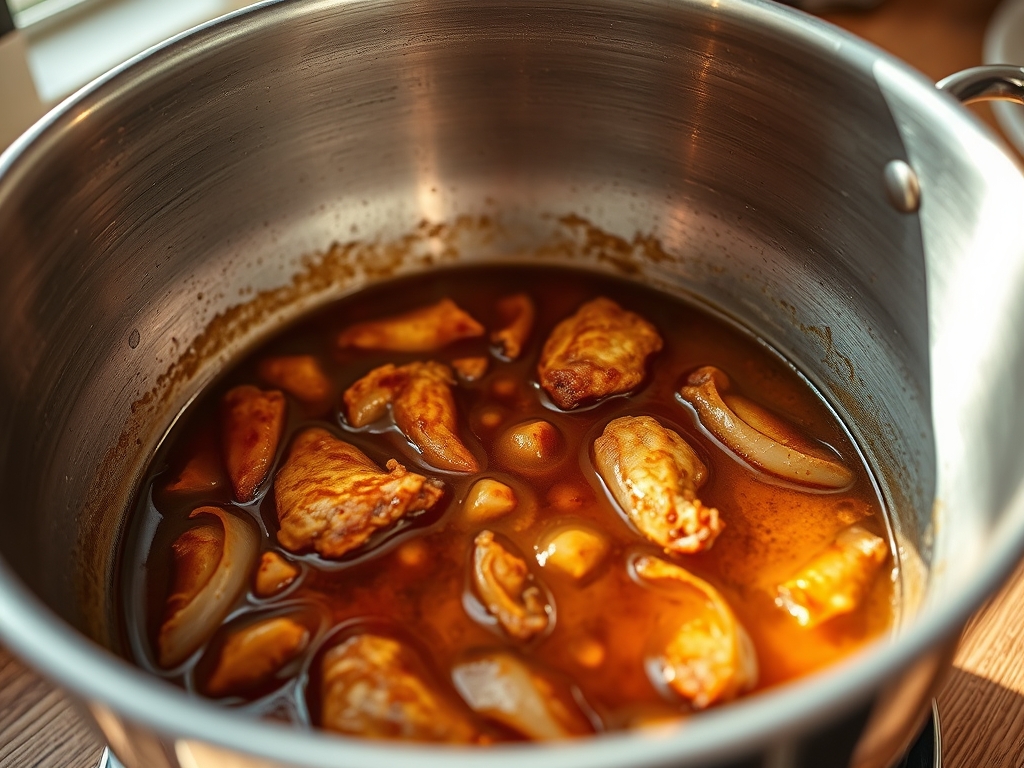
Place your dried wings into a large stainless steel mixing bowl. Sift the baking powder, salt, and paprika over the protein. Use a bench scraper or your hands to toss the wings until every millimeter of surface area is coated in a fine, dusty film.
Pro Tip: The baking powder raises the pH level on the surface of the chicken. This alkalinity speeds up the Maillard reaction and creates tiny CO2 bubbles that increase the surface area, resulting in a blistered, crunchy texture that mimics deep frying.
Step 2: Thermal Calibration and Loading
Preheat your air fryer to 200 degrees Celsius (400 degrees Fahrenheit) for five minutes. Arrange the wings in a single layer in the fryer basket, ensuring they do not touch. Airflow is the engine of crispness; if you crowd the basket, you create a steam trap.
Pro Tip: Use a digital scale to ensure each batch is uniform in weight. Consistent mass ensures consistent thermal penetration. If the basket is overloaded, the high velocity air cannot circulate, leading to uneven rendering of the subcutaneous fat.
Step 3: The Mid-Cycle Agitation
At the nine minute mark, remove the basket and use silicone-tipped tongs to flip each wing. This ensures that the contact points with the basket grate do not become soggy and that the underside receives the same infrared exposure as the top.
Pro Tip: This is the "render phase." You should hear a vigorous sizzling. The fat is melting and frying the skin from the inside out. If the sizzle is quiet, your internal temperature has dropped too low; check your machine's calibration.
Step 4: Emulsifying the Glaze
While the wings finish their final nine minutes, place your butter and cayenne sauce into a small saucier over low heat. Whisk constantly until the mixture is viscous and fully emulsified. Do not allow it to boil, or the emulsion will break.
Pro Tip: Adding a cold fat (butter) to a piquant acid (hot sauce) creates a suspension. Using a whisk to infuse air into the sauce will help it cling to the crust rather than sliding off into the bottom of the bowl.
Step 5: The Final Fusion
Once the timer hits eighteen minutes, verify the internal temperature is 74 degrees Celsius (165 degrees Fahrenheit). Transfer the wings to a clean bowl, pour the warm glaze over them, and toss vigorously. Serve immediately to maintain the molecular structure of the crust.
Pro Tip: Speed is essential here. The longer the wings sit in the sauce, the more moisture the crust absorbs. Professional kitchens use a "toss and plate" methodology to ensure the wing reaches the consumer within sixty seconds of glazing.
Section B: Prep & Timing Fault-Lines:
Human error usually manifests in the "preheat" and "cooldown" phases. If you skip the preheat, the wings sit in a lukewarm environment while the element climbs to temperature, causing the skin to toughen before it can crisp. Conversely, if you leave the wings in the basket after the timer ends, the residual steam will soften the crust you worked so hard to build. Use a digital timer and be ready to move the moment the alert sounds.
THE VISUAL SPECTRUM
Section C: Thermal & Visual Troubleshooting:
Referencing the Masterclass photo above, you are looking for a specific "shatter-glass" appearance. The skin should look aerated and slightly bubbled, not smooth.
- Problem: Dull, Matte Finish. This indicates insufficient fat rendering or old baking powder. Solution: Increase the temperature by 10 degrees or ensure the wings are at room temperature before cooking.
- Problem: Uneven Browning (Leopard Spotting). This occurs when wings are overlapping. Solution: Reduce the batch size. Every wing needs its own "airspace."
- Problem: Dark Carbonized Edges. The sugars in your dry rub (if you added any) are burning. Solution: Omit sugar from the dry stage and only introduce sweeteners during the final glazing.
THE DEEP DIVE
Macro Nutrition Profile:
A standard serving (approx. 5 wings) contains 350 calories, 25g Protein, 26g Fat, and 1g Carbohydrates. By using the air fryer, you reduce the total lipid count by approximately 40 percent compared to traditional deep frying while maintaining the same piquant flavor profile.
Dietary Swaps:
- Vegan: Substitute chicken with cauliflower florets. Increase the baking powder slightly to handle the higher water content of the vegetable.
- Keto: This recipe is inherently Keto-compliant. Ensure your hot sauce contains no added sugars or cornstarch.
- GF: Ensure your baking powder is certified gluten-free.
Meal Prep & Reheating Science:
To maintain molecular integrity when reheating, avoid the microwave at all costs. The microwave excites water molecules, turning your crust into a damp sponge. Instead, return the wings to the air fryer at 190 degrees Celsius for 3 to 4 minutes. This re-activates the fats and drives off any surface moisture absorbed during refrigeration.
THE KITCHEN TABLE
Why use baking powder instead of flour?
Baking powder alters the skin's pH, breaking down proteins for a crispier result. Flour creates a heavy, breaded barrier that often becomes gummy in an air fryer's high-moisture environment. Baking powder produces a thin, crackling "skin-only" crunch.
Can I use frozen wings directly?
Technically yes, but you will sacrifice integrity. Frozen wings release massive amounts of water as they thaw, which steams the meat. For professional results, always thaw completely and follow the moisture extraction protocol before applying heat.
How do I get the sauce to stick better?
The secret is the emulsion. By whisking cold butter into your hot sauce, you create a viscous coating that grips the textured surface of the wing. If the sauce is too thin, it simply pools at the bottom.
Is the baking powder taste noticeable?
Not if you use aluminum-free powder and follow the measurements precisely. The chemical reaction consumes the powder, leaving only the textural benefits. Excessive amounts or aluminum-based brands may leave a bitter, metallic aftertaste on the palate.