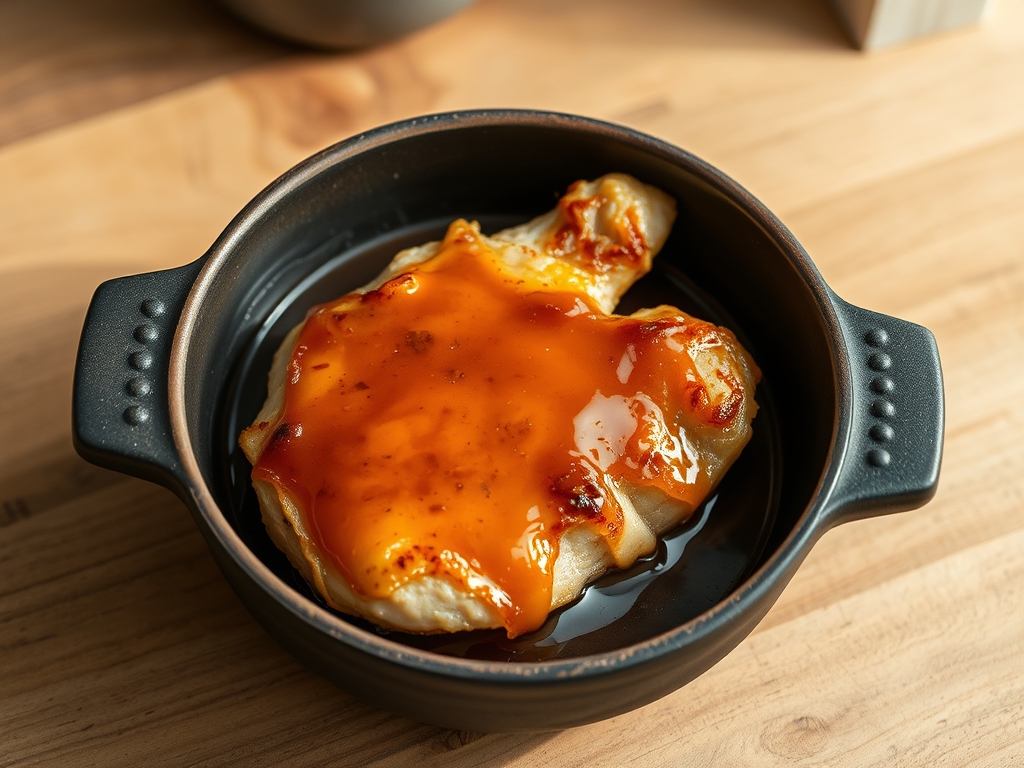
The kitchen is a high-stakes laboratory where the primary objective is the rapid transformation of cold, translucent muscle fibers into a flaky, gold-crusted masterpiece. Forget the slow-burn romance of a cast-iron skillet or the unpredictable humidity of a traditional oven. We are here to talk about high-velocity heat transfer. The Air Fryer Salmon protocol is the ultimate cheat code for the modern culinary technician. It leverages intense convection currents to achieve rapid lipid rendering, stripping away excess moisture while sealing in the essential fatty acids that make the fish succulent. Imagine the sound of a high-powered fan forcing air at 400 degrees Fahrenheit over a seasoned fillet. Within seconds, the surface lipids begin to bubble and pop. The Maillard reaction kicks into overdrive, creating a piquant, caramelized crust that contrasts perfectly with the tender, medium-rare interior. This is not just cooking; it is a thermal assault on mediocrity. If you want a meal that hits the table in less time than it takes to preheat a standard range, you need to master this aerodynamic methodology.
THE DATA MATRIX
| Metric | Specification |
|---|---|
| Prep Time | 3 Minutes |
| Execution Time | 7 Minutes |
| Yield | 2 Servings |
| Complexity | 2 / 10 |
| Estimated Cost per Serving | $8.50 – $12.00 USD |
THE GATHERS
Ingredient Protocol:
- 450g / 1 lb Center-cut Atlantic or King Salmon (skin-on preferred).
- 15ml / 1 tbsp Extra Virgin Olive Oil or Avocado Oil.
- 5g / 1 tsp Smoked Paprika.
- 3g / 0.5 tsp Garlic Powder.
- 2g / 0.25 tsp Fine Sea Salt.
- 1g / 0.25 tsp Freshly Cracked Black Pepper.
- 15ml / 1 tbsp Fresh Lemon Juice.
- 5g / 1 tbsp Fresh Parsley, finely minced for garnish.
Section A: Ingredient Quality Audit:
The primary failure point in any seafood operation is the raw material itself. If your salmon exhibits a dull, matte finish or a "fishy" odor, the trimethylamine levels are already too high. This indicates the cellular structure is breaking down. To fix sub-par fillets, perform a quick brine: submerge the fish in a 5% saline solution for ten minutes to firm up the proteins and neutralize odors. If the flesh feels mushy, it likely underwent a poor freezing process that created large ice crystals, rupturing the cell walls. In this case, lean heavily on the convection heat to evaporate excess moisture quickly. Always use a digital scale to measure your dry rub; consistency in salinity is the difference between a professional result and a home-cook accident.
THE MASTERCLASS
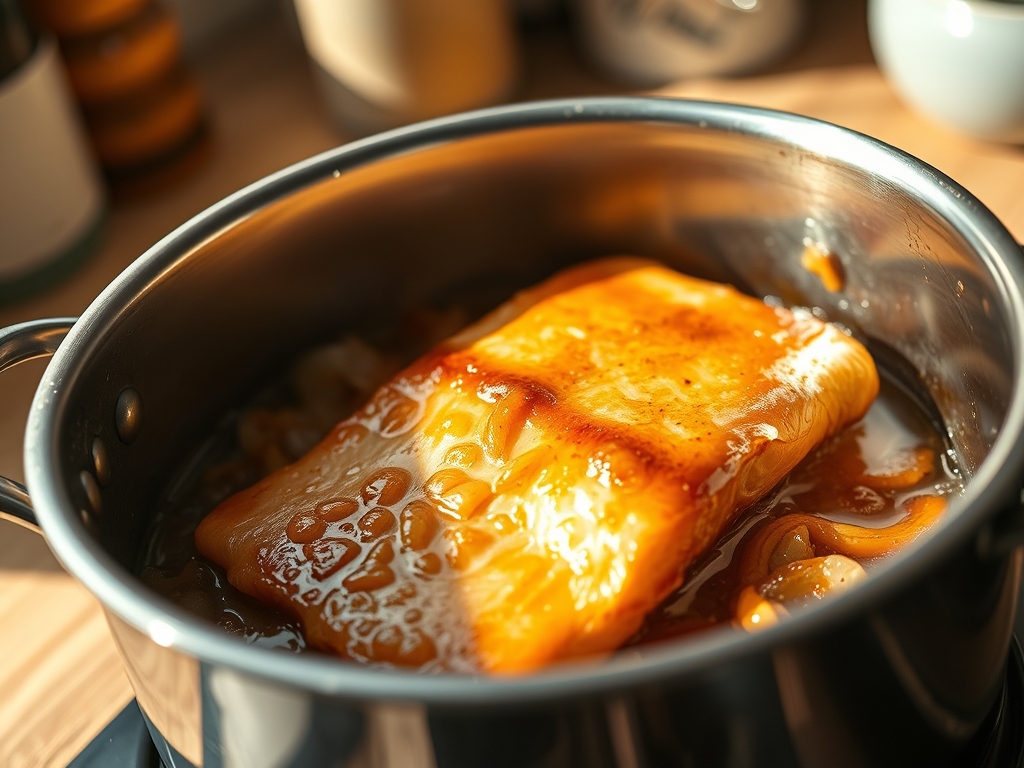
1. Surface Preparation and Desiccation
The first rule of the Maillard reaction is that moisture is the enemy of browning. Use a lint-free paper towel to aggressively pat the salmon dry on all sides. Once the surface is devoid of visible water, use a bench scraper to ensure the skin side is perfectly flat and free of any residual scales or slime.
Pro Tip: Removing surface moisture prevents the formation of steam. Steam caps the temperature at 212 degrees Fahrenheit, which is far too low to trigger the complex browning reactions required for a crisp exterior.
2. Lipid Application and Seasoning Infusion
Place your fillets on a clean workspace. Use a culinary brush to apply a thin, even layer of oil. In a small saucier or prep bowl, whisk your dry spices until the mixture is homogenous. Sprinkle the seasoning from a height of at least twelve inches to ensure even distribution across the entire surface area.
Pro Tip: Using a high-smoke-point oil like avocado oil allows the air fryer to operate at peak thermal efficiency without the oil breaking down into acrid, bitter compounds.
3. Thermal Execution and Convection Mapping
Preheat your air fryer to 400 degrees Fahrenheit (204 degrees Celsius). Place the salmon in the basket, ensuring there is at least one inch of clearance around each fillet to allow for maximum airflow. Slide the basket into the chamber and set the timer for 7 minutes.
Pro Tip: Air fryers rely on "cyclonic" air patterns. Crowding the basket creates "cold spots" where the air cannot circulate, leading to uneven cooking and a soggy texture.
4. The Resting Phase and Final Emulsification
Once the internal temperature reaches 130 degrees Fahrenheit on a digital probe thermometer, remove the salmon immediately. Transfer the fillets to a warm plate and let them rest for 2 minutes. Drizzle with fresh lemon juice and a touch of cold butter if you desire a more viscous mouthfeel.
Pro Tip: Resting allows the muscle fibers to relax and reabsorb the internal juices. This prevents the liquid from rushing out the moment you take your first bite, keeping the protein moist.
Section B: Prep & Timing Fault-Lines:
The most common human error is the "Cold Start" mistake. If you place cold salmon into a cold air fryer, the ramp-up time for the heating element will result in an overcooked interior before the exterior can crisp. Always preheat. Furthermore, failing to account for the thickness of the fillet can lead to disaster. A 1-inch fillet needs 7 minutes; a 1.5-inch fillet might need 9. Use your digital scale to weigh your portions so you can standardize your timings for future sessions.
THE VISUAL SPECTRUM
Section C: Thermal & Visual Troubleshooting:
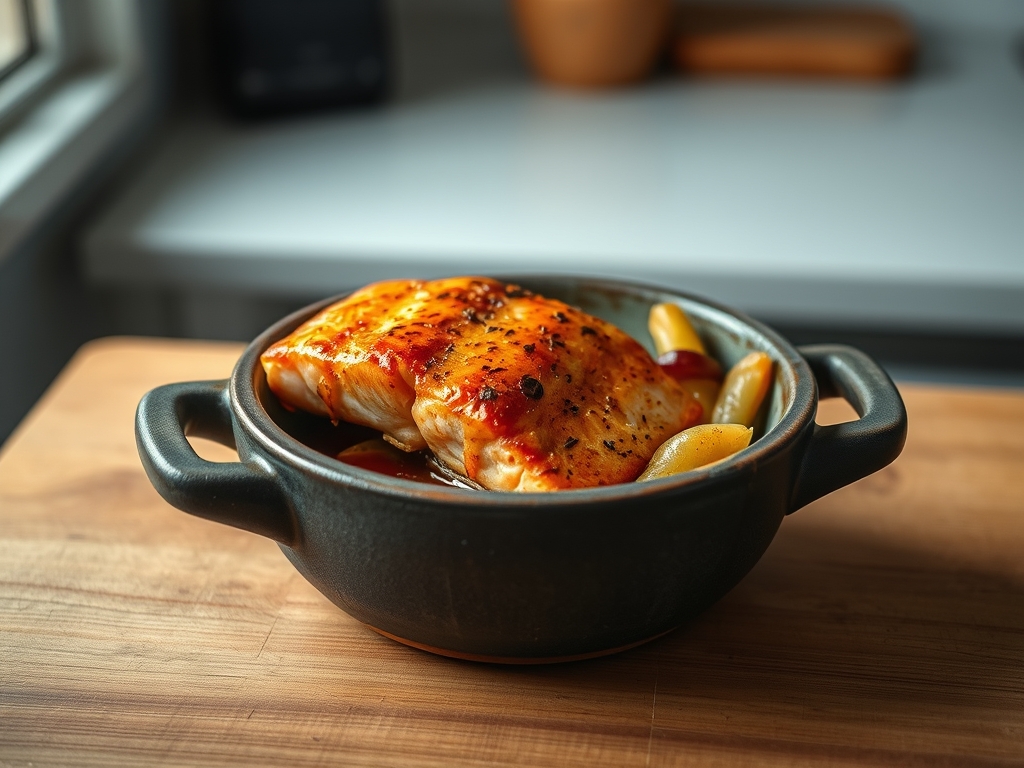
Look closely at the Masterclass photo above. Notice the deep coral hue of the flesh contrasted against the charred, dark-red spice crust. If your salmon looks pale or grey, your temperature was likely too low, or the salmon was too wet. This is called "protein weeping," where the albumin (the white protein) leaks out excessively. While some albumin is normal, a total white coating suggests the muscle fibers contracted too violently from overcooking. If the edges are burnt but the center is raw, your air fryer fan is likely too close to the heating element; lower the temperature by 15 degrees and extend the time by two minutes to allow for deeper heat penetration without surface carbonization.
THE DEEP DIVE
Macro Nutrition Profile
A standard 170g serving of Air Fryer Salmon provides approximately 340 calories. This breaks down into 34g of high-bioavailability protein, 21g of healthy lipids (including Omega-3 fatty acids), and 0g of carbohydrates. It is a metabolic powerhouse designed for muscle recovery and cognitive function.
Dietary Swaps
For a Vegan alternative, use extra-firm tofu pressed for 30 minutes to remove moisture, then follow the seasoning protocol. For Keto enthusiasts, increase the lipid profile by adding a dollop of homemade pesto or grass-fed butter post-render. The recipe is naturally Gluten-Free, provided your spice blends do not contain anti-caking agents derived from wheat.
Meal Prep & Reheating Science
To maintain molecular structure during reheating, avoid the microwave at all costs. The microwave agitates water molecules, which toughens the protein. Instead, return the salmon to the air fryer at 320 degrees Fahrenheit for 3 minutes. This gently re-activates the surface oils without further denaturing the internal proteins.
THE KITCHEN TABLE
How do I prevent the white stuff from appearing on the salmon?
That white substance is albumin. To minimize it, brine the salmon in salt water for ten minutes before cooking. This relaxes the muscle fibers so they do not squeeze the protein out when they encounter high heat.
Can I cook the salmon from frozen?
Technically, yes, but you sacrifice texture. Increase the cook time to 12-15 minutes. However, for the best lipid rendering and a piquant crust, always thaw your fillets in the refrigerator overnight for optimal cellular integrity.
Do I need to flip the salmon halfway through?
No. The beauty of the air fryer is the perforated basket which allows heat to hit the bottom of the fish. Flipping risks breaking the delicate flakes and ruining the presentation of your gold-crusted masterpiece.
Is skin-on better than skinless?
Skin-on is superior for structural stability. The skin acts as a thermal barrier, protecting the delicate flesh from the direct heat of the lower basket. It also contains high concentrations of collagen which, when rendered, adds incredible flavor.