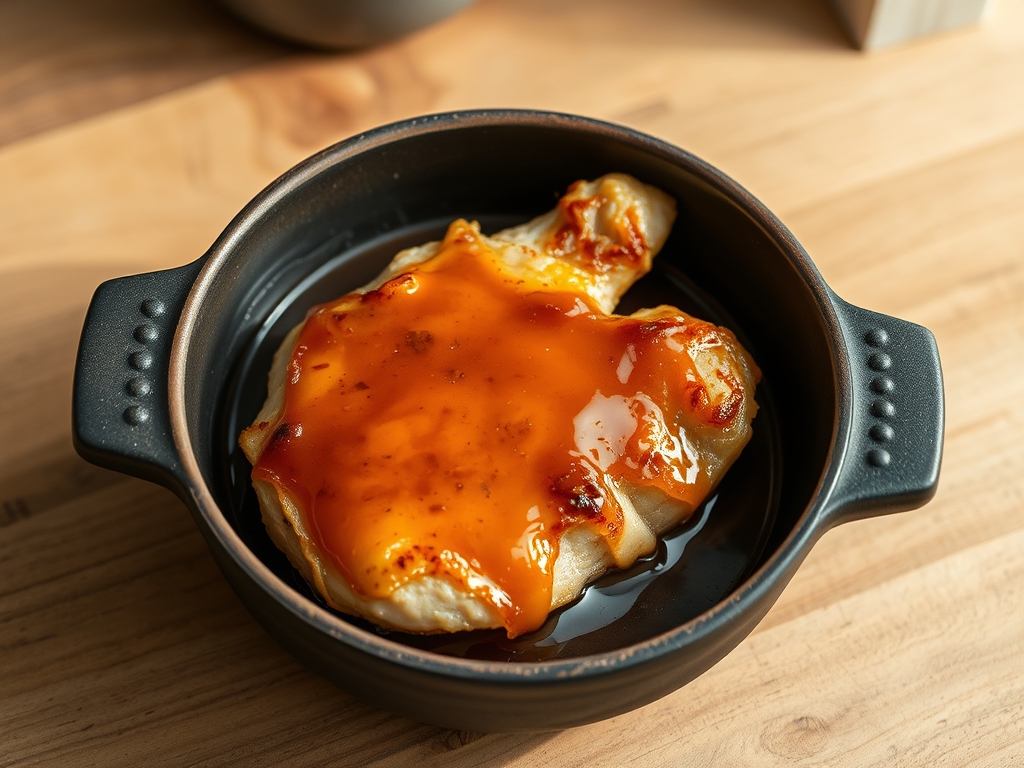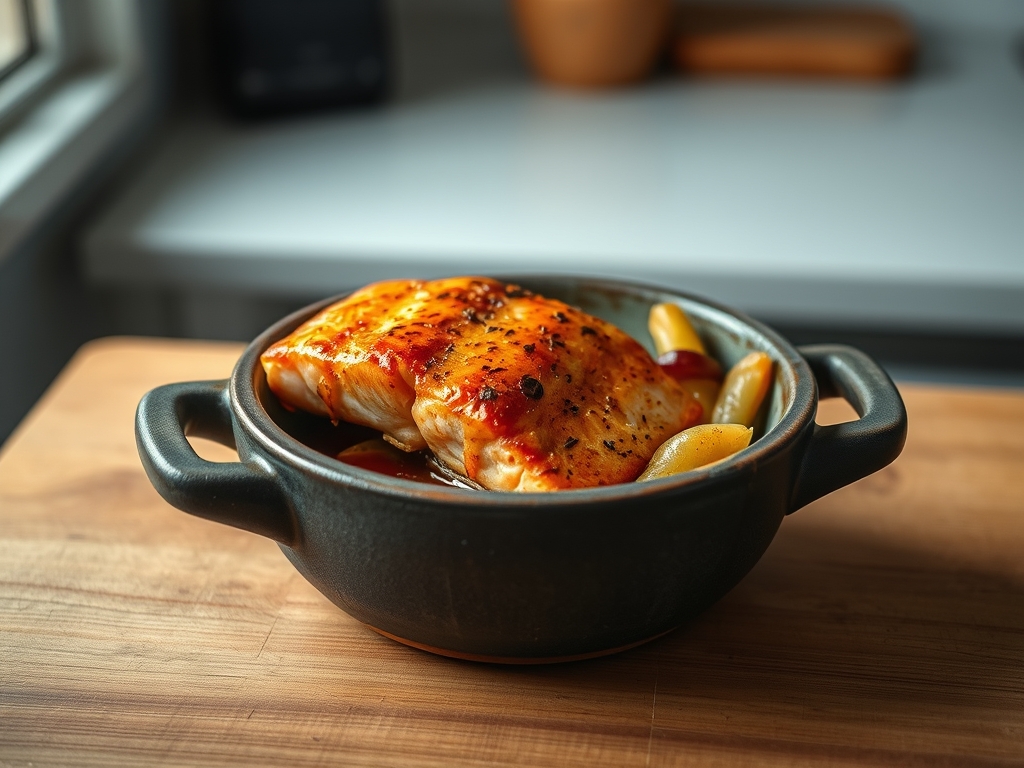
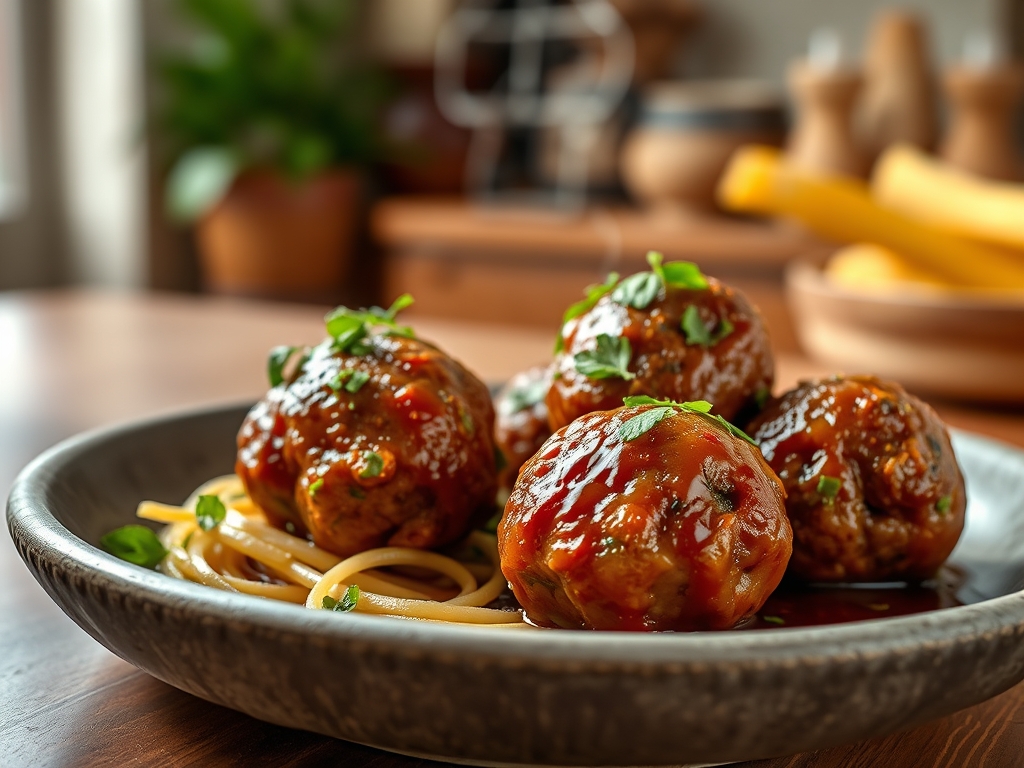
Forget the soggy, oil-logged spheres of the past that emerge from a traditional frying pan with one charred face and three pale, flaccid sides. We are entering the era of the high-velocity convection vortex. When you commit to Air Fryer Meatballs, you are not just cooking; you are orchestrating a high-speed thermal assault on ground protein. The air fryer functions as a localized wind tunnel, forcing superheated molecules to collide with the meat's surface at terminal velocity. This creates an immediate, uniform sear that locks in moisture while the fat begins to render internally, self-basting the core. The result is a textural masterpiece: a crisp, piquant exterior that shatters under the slightest pressure to reveal a tender, aerated interior. This is culinary engineering at its finest. We are leveraging spherical geometry to maximize surface area exposure, ensuring that every square millimeter of your protein globe undergoes the Maillard reaction simultaneously. Prepare your palate for a structural revolution where efficiency meets decadence in a compact, savory package.
THE DATA MATRIX
| Metric | Specification |
|---|---|
| Prep Time | 15 Minutes |
| Execution Time | 12 Minutes |
| Yield | 20-24 Spheres |
| Complexity (1-10) | 3 |
| Estimated Cost per Serving | $2.15 |
THE GATHERS
Ingredient Protocol:
- 500g / 1.1 lbs Ground Beef (80/20 lean-to-fat ratio)
- 250g / 0.55 lbs Ground Pork or Italian Sausage
- 120ml / 0.5 cup Panko breadcrumbs
- 60ml / 0.25 cup Whole milk
- 1 Large Egg (approx. 50g)
- 50g / 0.5 cup Freshly grated Parmesan cheese
- 15ml / 1 tbsp Worcestershire sauce
- 10g / 2 tsp Garlic powder
- 5g / 1 tsp Dried oregano
- 3g / 0.5 tsp Red pepper flakes
- 5g / 1 tsp Kosher salt
- 2g / 0.5 tsp Freshly cracked black pepper
Section A: Ingredient Quality Audit:
The primary failure point in most meatballs is a lack of structural integrity or moisture. If your beef is too lean (90/10 or higher), the final product will be crumbly and dry. To fix this, infuse the mix with a tablespoon of heavy cream or increase the pork ratio. If your breadcrumbs are stale or overly coarse, they will fail to create a proper panade. Technical fix: Soak the breadcrumbs in the milk for five minutes before mixing; this creates a viscous paste that binds the proteins without making them dense. Finally, never use pre-shredded cheese. The cellulose coating prevents proper melting and disrupts the protein matrix. Grate your Parmesan fresh using a microplane to ensure it integrates seamlessly into the sphere.
THE MASTERCLASS
Step-by-Step Execution:
1. Hydrate the Binder
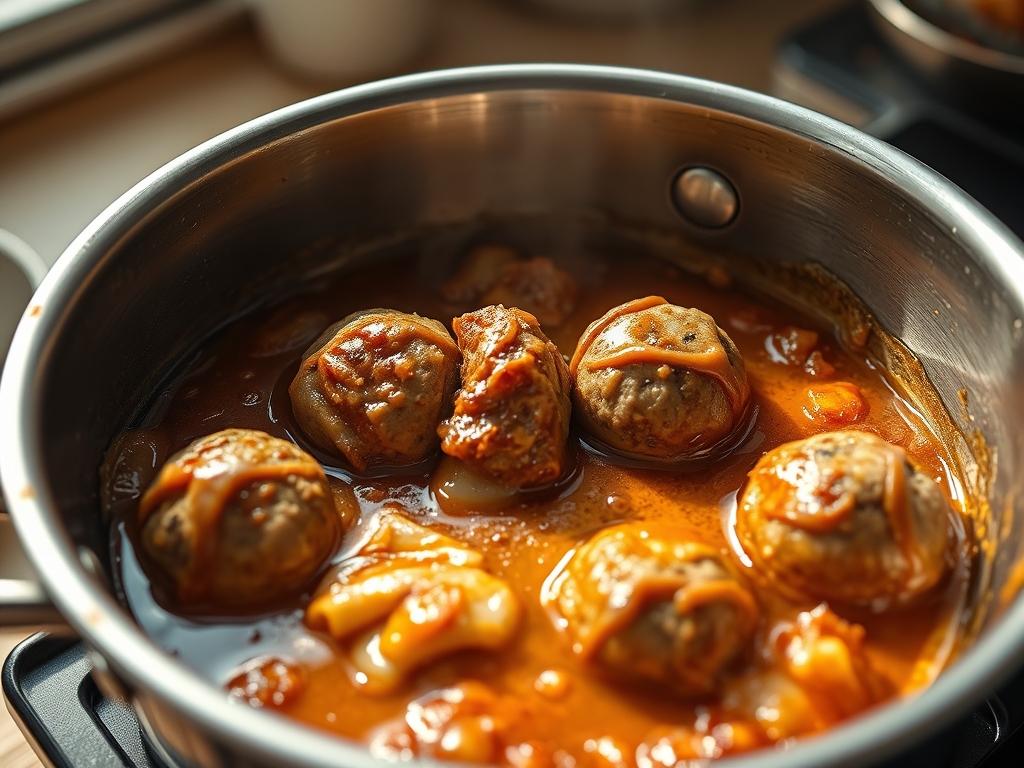
In a small stainless steel saucier, combine the milk and panko. Let this sit until the liquid is fully absorbed. This creates a panade, which is the secret to preventing protein fibers from tightening and squeezing out moisture during the cook.
Pro Tip: This chemical buffer prevents the meat from shrinking excessively. Use a digital scale to ensure your milk-to-crumb ratio is precise; too much liquid will compromise the sphere's structural integrity.
2. Protein Integration
Place your chilled meats into a large chilled bowl. Add the egg, cheese, spices, and the prepared panade. Use a bench scraper to gently fold the ingredients together rather than mashing them with your palms.
Pro Tip: Overworking the meat causes the proteins to cross-link, resulting in a rubbery texture. Keep your hands cold to prevent the fat from melting prematurely, which would ruin the emulsification of the mixture.
3. Precision Portioning
Using a mechanical cookie scoop or a digital scale, portion the mixture into 30-gram units. Lightly roll them between dampened palms to create perfectly smooth surfaces.
Pro Tip: Uniformity is not just for aesthetics; it ensures that every globe reaches the target internal temperature at the exact same second. A smooth surface area also allows for a more even distribution of the Maillard reaction.
4. The Convection Blast
Preheat the air fryer to 200C / 400F. Arrange the meatballs in a single layer, ensuring at least 1cm of space between each unit to allow for maximum airflow. Cook for 10 to 12 minutes.
Pro Tip: Do not overcrowd the basket. If air cannot circulate underneath the spheres, you will end up with a "bald spot" of unrendered fat. Use a digital instant-read thermometer to confirm an internal temperature of 74C / 165F.
5. The Deglaze and Rest
Remove the meatballs and let them rest on a wire rack for three minutes. If you are serving with sauce, use the rendered fat in the air fryer tray to deglaze a pan for your marinara.
Pro Tip: Resting allows the internal juices to redistribute. If you cut into them immediately, the steam pressure will force the moisture out, leaving you with a dry interior.
Section B: Prep & Timing Fault-Lines:
The most common human error is the "Cold Core" syndrome, where the exterior is browned but the center remains raw. This occurs when the meatballs are shaped directly from the freezer or if the air fryer wasn't preheated. Always ensure your meat mixture is at a consistent 4C / 40F before shaping. Another fault-line is the "Oil Overload." Do not spray the meatballs with excessive oil; the 80/20 beef blend contains enough lipids to render and fry the exterior naturally. Excessive oil will smoke and create an acrid flavor profile.
THE VISUAL SPECTRUM
Section C: Thermal & Visual Troubleshooting:
Referencing the Masterclass photo, your meatballs should exhibit a deep mahogany crust with localized "blistering" where the fat has bubbled. If your meatballs look pale or grey, your temperature is too low; the air is not moving fast enough to dehydrate the surface. If they appear "shaggy" or have cracks, the panade was too dry or the meat was handled too roughly. The specific visual cue of a successful Air Fryer Meatball is the "Glisten Factor," a thin, shimmering film of rendered fat that indicates the interior is still succulent. If the spheres look matte or dull, they are overcooked and the internal moisture has evaporated.
THE DEEP DIVE
Macro Nutrition Profile:
A standard serving of four meatballs (120g) provides approximately 28g of protein, 18g of fat, and 6g of carbohydrates. By using the air fryer, we eliminate the 15-20g of additional fat typically absorbed during deep frying.
Dietary Swaps:
- Vegan: Replace beef/pork with a mushroom and lentil base; use a flax egg and nutritional yeast.
- Keto: Swap panko for crushed pork rinds or almond flour to maintain the low-carb profile.
- GF: Utilize certified gluten-free breadcrumbs or cooked quinoa as the binding agent.
Meal Prep & Reheating Science:
To maintain molecular structure during reheating, avoid the microwave, which vibrates water molecules and turns the crust "rubbery." Instead, return them to the air fryer at 175C / 350F for 3 minutes. This re-activates the surface fats and restores the crisp texture without overcooking the core.
THE KITCHEN TABLE
Why are my meatballs falling apart?
This usually indicates a binder failure. Either the panade was too dry or you skipped the egg. The egg acts as a thermal glue that sets as the temperature rises, locking the protein fibers in place.
Can I cook these from frozen?
Yes, but you must drop the temperature to 180C / 350F and extend the time to 18 minutes. This prevents the exterior from burning before the thermal energy reaches the frozen center of the sphere.
Do I need to flip them halfway?
While the convection air circulates, a single shake of the basket at the 6-minute mark ensures that the contact points with the basket grate also receive adequate airflow for a uniform, 360-degree sear.
What is the best meat blend?
A 50/50 mix of beef and Italian sausage is the gold standard. The sausage provides pre-emulsified fats and spices that infuse the beef with deeper complexity and a more resilient texture.