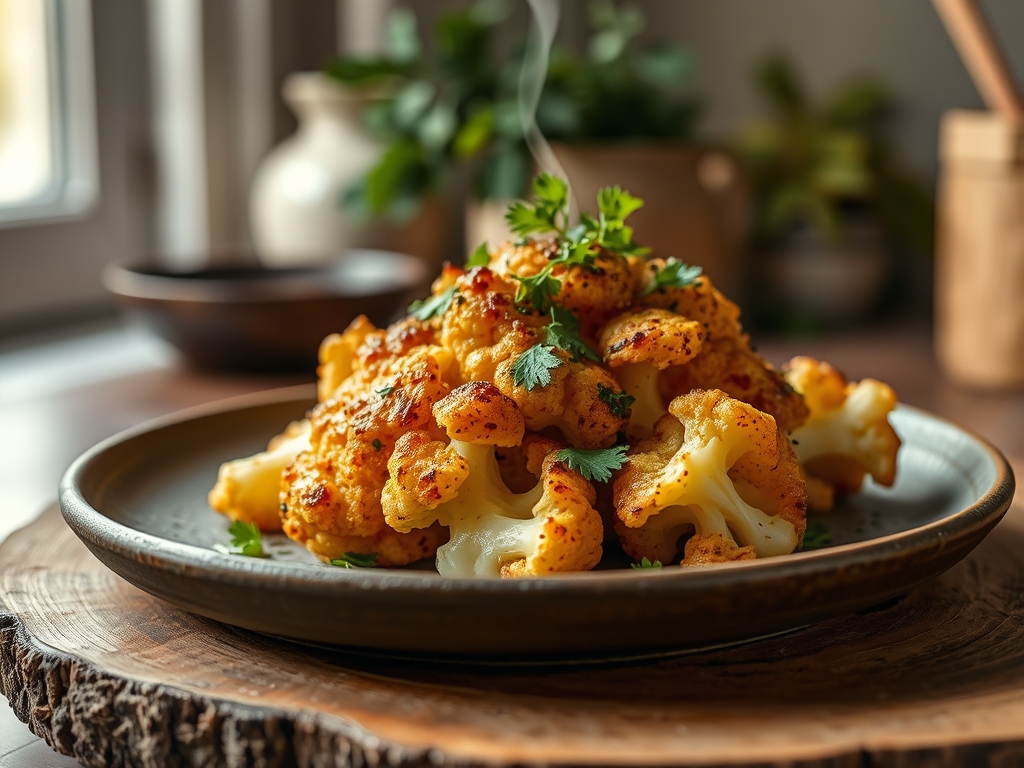
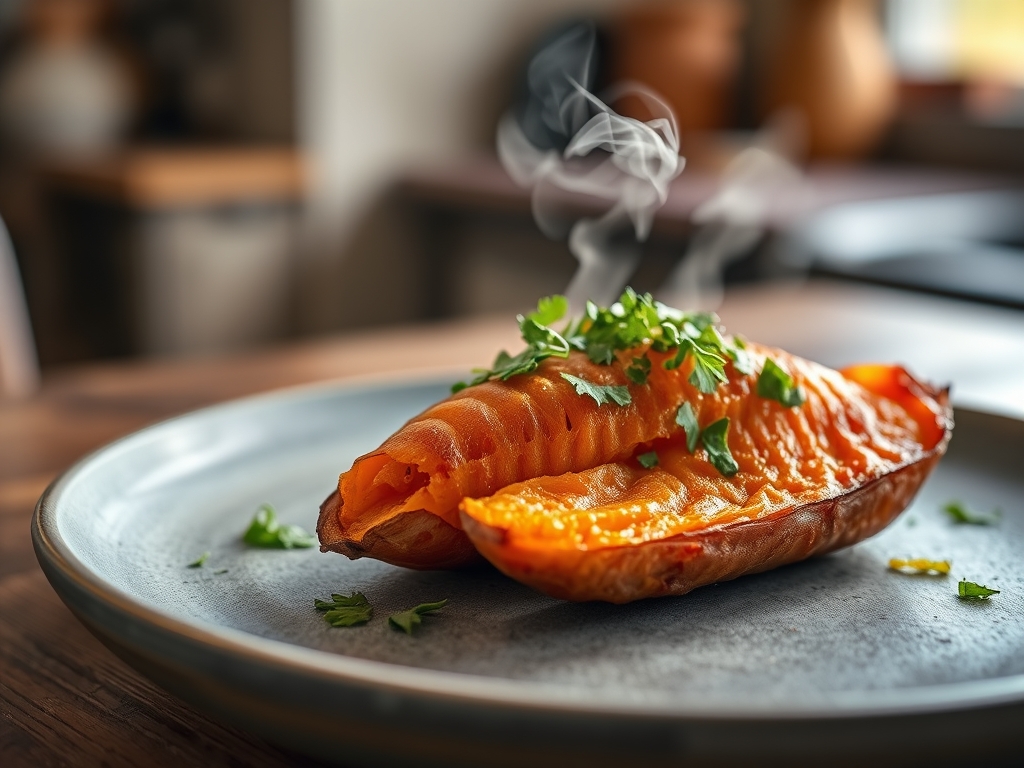
Forget everything you know about the soggy, uninspired tubers of your past. We are entering the realm of high-velocity thermal engineering. The Air Fryer Sweet Potato is not merely a side dish; it is a structural marvel of polysaccharide breakdown and cellular dehydration. Imagine a crust so crisp it shatters like glass, giving way to a core that is essentially a pressurized custard of caramelized sugars. This is the result of forced convection at peak efficiency. We are bypassing the sluggish heat transfer of a traditional oven to achieve a blistering Maillard reaction in record time. When that superheated air hits the surface of a starch-heavy cylinder, the moisture evaporates instantly, creating a micro-porous exterior that traps heat and softens the interior fibers into a velvety puree. The scent of toasted malt and earthy sweetness will fill your kitchen, signaling that the chemical transformation is complete. It is time to audit your technique and upgrade your vegetable infrastructure for maximum sensory impact.
THE DATA MATRIX
| Metric | Specification |
|---|---|
| Prep Time | 10 Minutes |
| Execution Time | 35 to 45 Minutes |
| Yield | 4 Servings |
| Complexity | 3/10 |
| Estimated Cost per Serving | $0.85 USD |
THE GATHERS
Ingredient Protocol:
- 2 Large Sweet Potatoes (approx. 900g / 2 lbs)
- 30ml / 2 tbsp High-Smoke Point Oil (Avocado or Grapeseed)
- 5g / 1 tsp Smoked Paprika
- 3g / 0.5 tsp Garlic Powder
- 10g / 2 tsp Flaky Sea Salt
- 15ml / 1 tbsp Unsalted Butter (optional for finishing)
- 2g / 0.5 tsp Freshly Cracked Black Pepper
Section A: Ingredient Quality Audit:
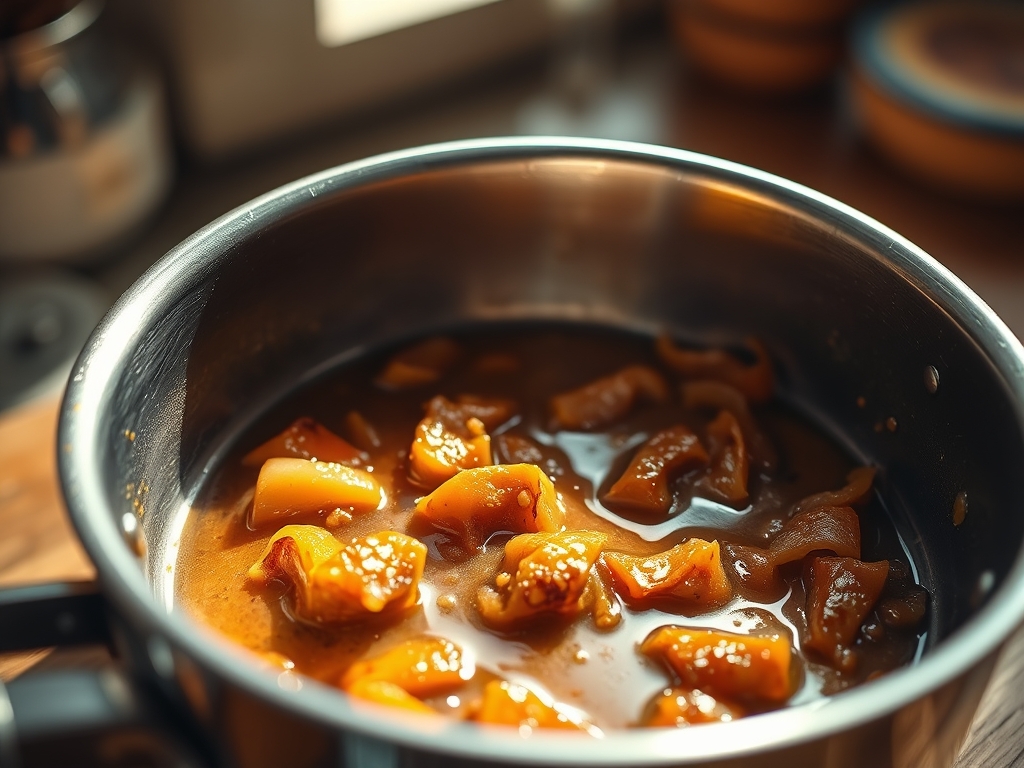
Sub-par raw materials will compromise your structural integrity. If your sweet potatoes feel "spongy" or exhibit shriveled skin, the internal moisture content has plummeted, leading to a fibrous and woody texture. To fix this, soak the tubers in ice-cold water for 30 minutes before processing to rehydrate the cellular walls. If your spices lack a piquant aroma, they have oxidized. Bloom them in your oil over low heat in a small saucier for 60 seconds before application to infuse the fat with dormant volatile oils.
THE MASTERCLASS
1. The Dimensional Calibration
Scrub the tubers and use a digital scale to ensure uniformity. Slice them into consistent 2.5cm (1-inch) cubes. If you leave them whole, use a fork to puncture the skin at 2cm intervals to allow steam to escape.
Pro Tip: Uniformity is the soul of precision. Using a bench scraper to move your cubes prevents bruising the delicate starch layers, ensuring the surface remains smooth for even oil distribution.
2. Surface Dehydration and Coating
Pat the cubes bone-dry with lint-free towels. In a large stainless steel bowl, toss the potatoes with your oil and spices until every millimeter is coated in a viscous layer of lipids.
Pro Tip: Moisture is the enemy of the crunch. By removing surface water, you allow the oil to immediately begin the render process of the potato's natural sugars, accelerating the browning process.
3. The Convection Blast
Preheat your air fryer to 200C (400F). Arrange the potatoes in a single layer. Do not overcrowd the basket; air must circulate freely to aerate the spaces between the cubes.
Pro Tip: Airflow is your primary heat conductor. Overcrowding creates "steam pockets" which result in a limp, boiled texture rather than a crisp roasted finish.
4. The Agitation Cycle
Every 10 minutes, remove the basket and perform a vigorous shake. This redistributes the oil and ensures that every face of the cube encounters the high-velocity heating element.
Pro Tip: Professional chefs use this "toss" to ensure even caramelization. If you notice uneven browning, use a pair of silicone-tipped tongs to rotate stubborn pieces that are shielded from the fan.
5. The Finishing Polish
Once the internal temperature reaches 95C (203F) and the exterior is deep amber, remove them. Toss with a knob of butter and an extra pinch of salt while they are still screaming hot.
Pro Tip: Adding butter at the end allows it to melt and infuse the porous crust without burning the milk solids during the high-heat roasting phase.
Section B: Prep & Timing Fault-Lines:
The most common human error is the "Cold Start." Putting potatoes into a cold air fryer results in a thick, leathery skin because the starch granules swell slowly rather than crisping instantly. Always preheat for at least 5 minutes. If your timing is off and the potatoes finish before the rest of your meal, do not cover them with foil; this traps steam and destroys the crust. Instead, keep them in the basket at 60C (140F) to maintain the molecular structure.
THE VISUAL SPECTRUM
Section C: Thermal & Visual Troubleshooting:
Look at the Masterclass photo above. Note the "blistered" appearance of the skin and the vibrant, sunset-orange interior. If your potatoes look dull or grey, you have likely under-seasoned or used old tubers with low sugar content. If the edges are black while the center is hard, your temperature is too high; the exterior burned before the heat could penetrate the core. To fix uneven browning, ensure your oil application is thorough. A "dry" spot on a potato will never brown; it will only dehydrate into a hard, unpleasant husk. The goal is a shimmering, golden-brown glaze that indicates total sugar transformation.
THE DEEP DIVE
Macro Nutrition Profile:
A standard serving (225g) provides approximately 210 calories, 45g of complex carbohydrates, 5g of fiber, and 2g of protein. It is a powerhouse of Vitamin A (Beta-Carotene) and Potassium, making it the ideal fuel for high-output individuals.
Dietary Swaps:
- Vegan: Replace the finishing butter with a drizzle of tahini or extra virgin olive oil to maintain a creamy mouthfeel.
- Keto: Sweet potatoes are high-carb; however, you can apply this exact infrastructure to radishes or cauliflower for a lower-glycemic alternative.
- GF: Naturally gluten-free. Ensure your spice blends are certified to avoid cross-contamination.
Meal Prep & Reheating Science:
To maintain molecular structure, store leftovers in an airtight glass container for up to 4 days. Never use a microwave for reheating; it vibrates water molecules, turning the crisp crust into a soggy mess. Instead, return them to the air fryer at 190C (375F) for 3 to 5 minutes to re-crisp the exterior lipids.
THE KITCHEN TABLE
Why are my air fryer sweet potatoes soggy?
This is usually caused by overcrowding the basket or failing to dry the potatoes before oiling. Excess moisture creates steam, which prevents the Maillard reaction. Ensure a single layer with plenty of space for air to circulate.
Do I need to soak the potatoes first?
Soaking in cold water for 30 minutes removes excess surface starch. This leads to a crispier exterior. However, if you are in a rush, thorough drying is a more critical step for structural integrity.
Can I use parchment paper in the basket?
You can, but it restricts airflow. If you must use it for easy cleanup, poke holes in the paper or ensure it does not cover the entire base. Maximum airflow equals maximum crunch.
What is the best oil for this process?
Use an oil with a high smoke point, such as avocado or grapeseed oil. Extra virgin olive oil can break down at 200C, potentially creating acrid flavors and damaging the delicate sweetness of the tuber.