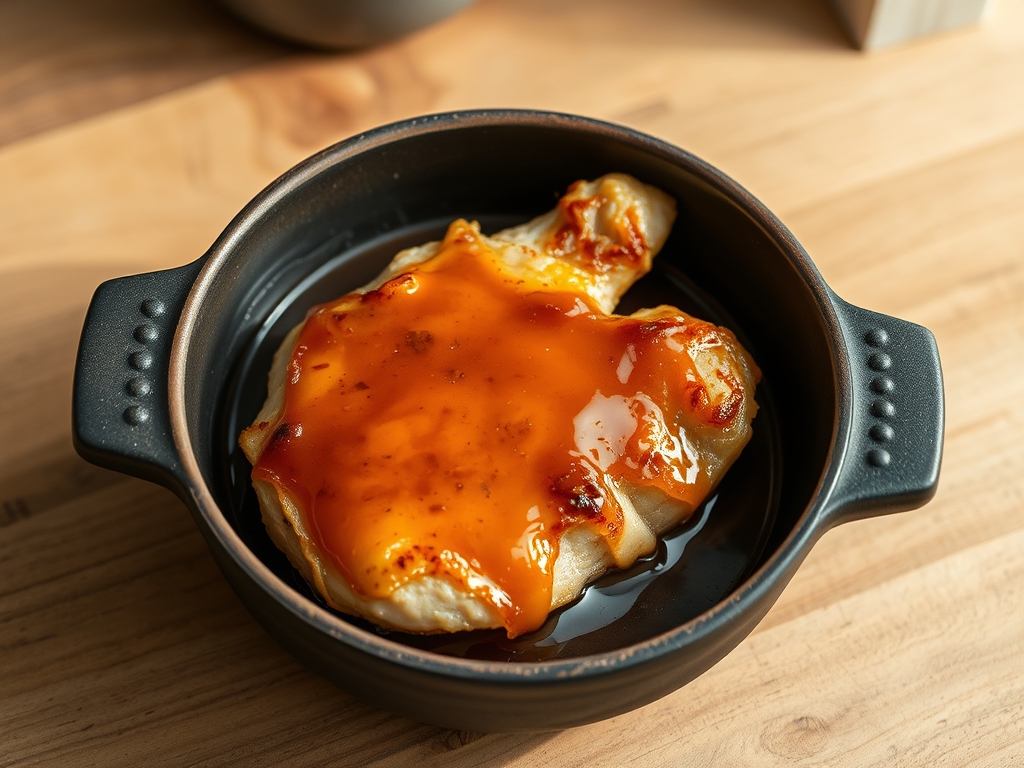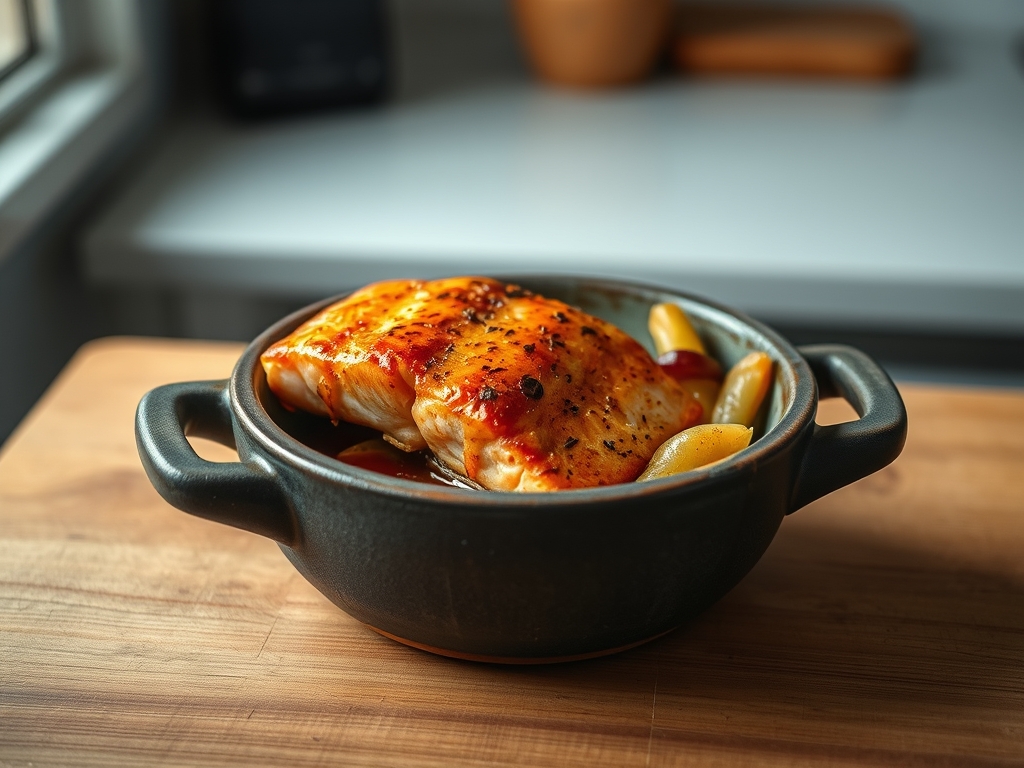
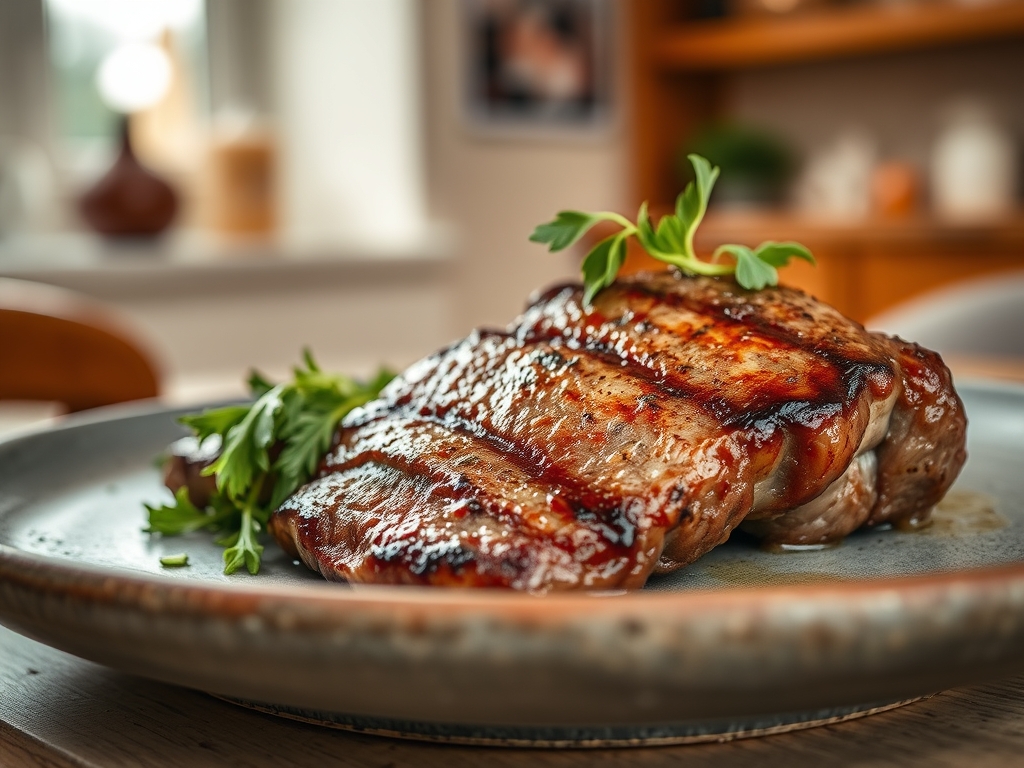
Listen to the roar of the convection fan as it transforms your kitchen into a high-velocity thermal chamber. We are not just cooking; we are conducting a high-stakes Air Fryer Steak Audit to prove that a countertop appliance can rival a cast-iron skillet. The air fryer is often dismissed as a mere gadget for frozen tubers, but when calibrated correctly, it becomes a precision instrument for Maillard reaction optimization. We are hunting for that specific crust; a mahogany-hued, dehydrated surface tension that yields to a butter-soft, ruby-red interior. This is a game of thermodynamics and moisture management. If you fail to respect the airflow, you end up with a gray, steamed slab of protein that insults the animal it came from. However, if you master the timing, you achieve a level of edge-to-edge consistency that traditional searing often misses. Prepare to audit your technique, sharpen your digital probes, and recalibrate your expectations for what a New York Strip can become under the pressure of forced-air convection.
THE DATA MATRIX
| Metric | Specification |
|---|---|
| Prep Time | 45 Minutes (includes tempering) |
| Execution Time | 10 to 12 Minutes |
| Yield | 2 Servings |
| Complexity (1-10) | 4 |
| Estimated Cost per Serving | $14.50 USD |
THE GATHERS
Ingredient Protocol:
- 2 Center-cut Strip Steaks (approx. 340g / 12oz each), 1.5 inches thick.
- 15ml / 1 tbsp Avocado Oil (High smoke point is mandatory).
- 10g / 2 tsp Coarse Kosher Salt.
- 5g / 1 tsp Coarse Black Pepper.
- 30g / 2 tbsp Unsalted Grass-fed Butter.
- 2 Sprigs Fresh Rosemary.
- 3 Cloves Garlic, smashed.
Section A: Ingredient Quality Audit:
Sub-par raw materials will sabotage your audit before the fan even spins. If your steak feels viscous or slimy out of the vacuum seal, it has excess surface moisture that will prevent browning. The fix: A 40-minute dry brine in the refrigerator, uncovered, on a wire rack. If the marbling is sparse, the meat will lack the internal lipids necessary to render and provide flavor. In this case, increase your fat application by brushing the steak with a light coating of beef tallow instead of oil. Finally, if the steak is too thin (under 1 inch), the interior will overcook before the exterior can infuse with crust. Always source thick-cut specimens to ensure a thermal buffer.
THE MASTERCLASS
Step 1: The Thermal Tempering Phase
Remove the steaks from the refrigerator 45 minutes prior to cooking. Use a digital scale to measure your salt precisely; apply it liberally to all sides. This allows the salt to penetrate the muscle fibers and break down proteins.
Pro Tip: This phase is about osmotic equilibrium. Salt initially draws moisture out, but given enough time, the brine is reabsorbed, seasoning the meat deeply and ensuring the exterior is dry enough for the Maillard reaction.
Step 2: High-Velocity Preheating
Set your air fryer to its maximum setting (usually 200C / 400F) and let it run empty for at least 5 minutes. You want the basket and the internal air to be a saturated heat environment before the protein enters.
Pro Tip: Use an infrared thermometer to verify the basket surface temperature. A cold basket acts as a heat sink, robbing the steak of the initial thermal shock required to render surface fat immediately.
Step 3: The Lipid Application
Pat the steaks bone-dry with paper towels one last time. Apply the avocado oil using a silicone brush. Ensure every millimeter of the surface is coated in a thin, viscous film of fat to facilitate even heat distribution.
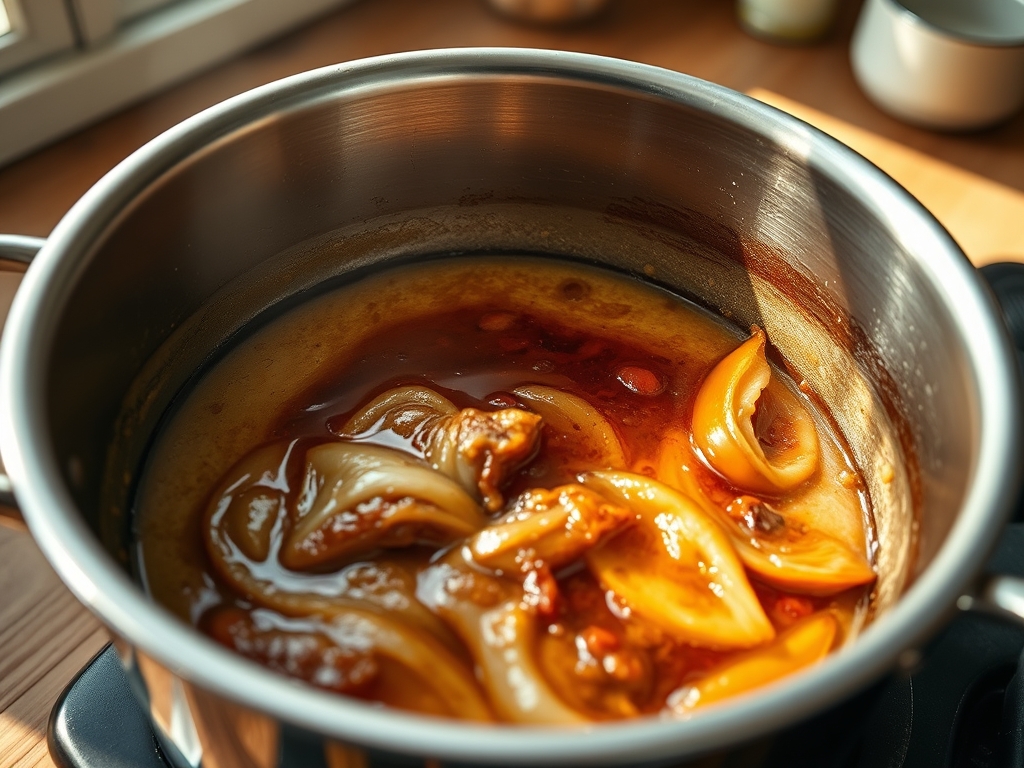
Pro Tip: Using a saucier to pre-melt your butter with garlic and rosemary allows you to have a finishing glaze ready. The oil on the steak acts as a heat conductor, bridging the gap between the hot air and the meat fibers.
Step 4: The Convection Blast
Place the steaks in the basket, ensuring they do not touch. Cook at 200C / 400F for 6 minutes. Flip the steaks using precision tongs to ensure even exposure to the bottom heating elements or airflow.
Pro Tip: Air fryers are essentially miniaturized convection ovens. The "flip" is vital because the bottom of the basket often lacks the same CFM (cubic feet per minute) of airflow as the top, which can lead to uneven crust development.
Step 5: The Precision Pull and Rest
Continue cooking for another 4 to 6 minutes until the internal temperature reaches 52C / 125F for medium-rare. Remove immediately and place on a warm plate. Top with the garlic-rosemary butter from your saucier.
Pro Tip: Carryover cooking is real. The internal temperature will rise by about 3 to 5 degrees while resting. Use a bench scraper to clean your cutting board surface before slicing to ensure no cross-contamination of raw juices.
Section B: Prep & Timing Fault-Lines:
The most common human error in this audit is the "Peek-a-Boo" syndrome. Opening the air fryer basket repeatedly causes a massive drop in ambient temperature, extending the cook time and toughening the meat. Trust your digital probe. If the steak is sticking to the basket, do not force it; the meat will naturally release once the surface proteins have undergone sufficient denaturation. Another fault-line is failing to account for steak thickness. A 2-inch steak requires a lower temperature (180C / 350F) for a longer duration to avoid a burnt exterior and raw core.
THE VISUAL SPECTRUM
Section C: Thermal & Visual Troubleshooting:
Referencing the Masterclass photo, your steak should exhibit a deep, non-uniform crinkle on the surface. If your steak looks "blonde" or pale, you likely skipped the drying phase; moisture turned to steam, preventing the temperature from rising above 100C / 212F. If the edges are charred but the center is gray, your steak was too cold when it entered the chamber. The visual goal is a "bullseye" cross-section: a thin band of brown transitioning rapidly to a consistent pink or red. If you see a thick gray band under the crust, you cooked it too long at a low temperature, which dehydrated the outer muscle layers.
THE DEEP DIVE
Macro Nutrition Profile:
A standard 340g / 12oz Strip Steak provides approximately 850 calories, 65g of protein, and 60g of fat. By using the air fryer, we reduce the need for excessive pooling fats, making this a cleaner execution of a high-protein staple.
Dietary Swaps:
- Vegan: Substitute the steak with a thick-cut "steak" of Lion's Mane mushroom. Use vegan butter and increase the cook time to render the fungal moisture.
- Keto/GF: This recipe is naturally compliant. Ensure your spices do not contain anti-caking agents like cornstarch.
Meal Prep & Reheating Science:
To maintain the molecular structure during reheating, avoid the microwave at all costs. The microwave agitates water molecules, turning your steak into rubber. Instead, use the air fryer at 150C / 300F for 3 to 4 minutes. This gently re-activates the surface fats without over-coagulating the internal proteins.
THE KITCHEN TABLE
Why is my air fryer steak smoking?
This usually occurs when fat drippings hit the heating element or the bottom pan. Use a high-smoke-point oil like avocado oil and ensure the bottom tray is clean of old debris to prevent a piquant burnt aroma.
Do I need to marinate the steak first?
For this specific audit, no. A wet marinade introduces too much moisture, which fights against the Maillard reaction. Stick to a dry brine for the best crust. You can infuse flavor later with a compound butter.
Can I cook the steak from frozen?
Technically yes, but the audit results will be inferior. The exterior will overcook while the center remains crystalline. For the best results, always temper your meat to room temperature to ensure even thermal penetration.
What is the best way to slice the steak?
Always slice against the grain. Look for the direction of the muscle fibers and cut perpendicular to them. This shortens the fibers, making each bite significantly more tender and easier to masticate.