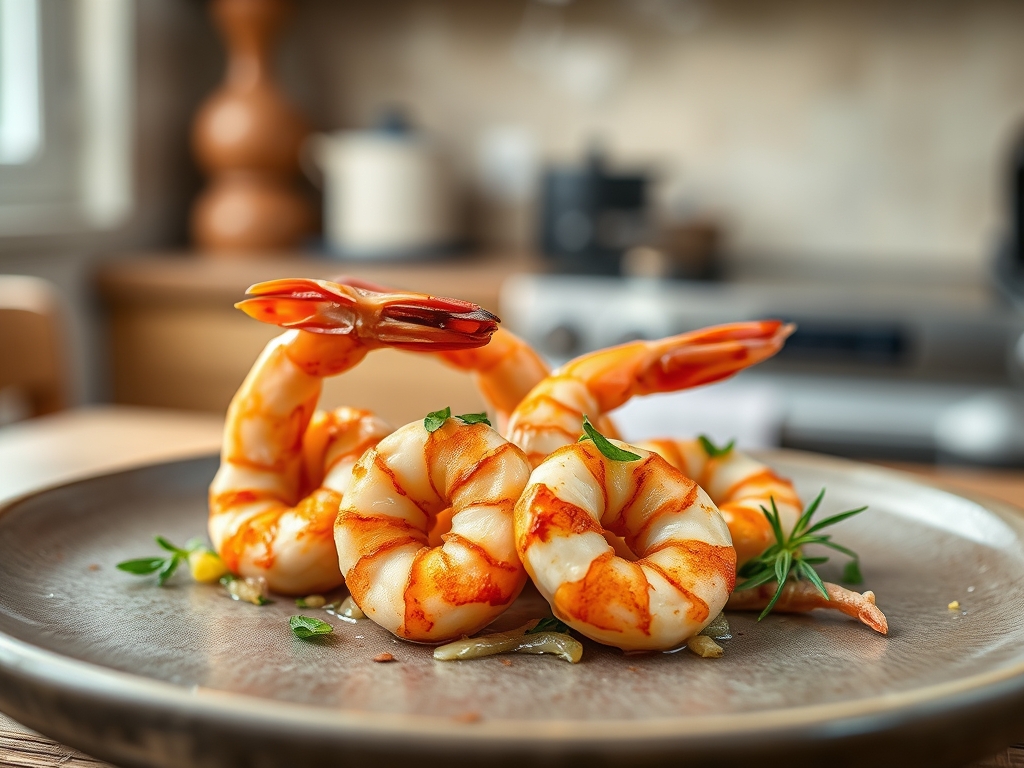
The kitchen is no longer a room; it is a high-velocity thermal laboratory where the objective is simple: total crustacean dominance. We are moving beyond the sluggish, oil-saturated methods of the past. Forget the heavy breading that masks the delicate salinity of the sea. Today, we harness the power of forced-air convection to create Air Fryer Shrimp that possess a snap so audible it borders on the structural. We are looking for that specific moment where the proteins coil into tight, opaque spirals while the exterior undergoes a rapid Maillard reaction. The air fryer acts as a miniature wind tunnel, stripping moisture from the surface of the shrimp with surgical precision. This creates a concentrated flavor profile that pan-frying simply cannot replicate without excessive lipid interference. You want a result that is succulent on the interior but possesses a piquant, caramelized shell. This is not just cooking; it is an exercise in heat transfer and moisture management. Prepare your workstations. We are about to optimize your dinner through superior thermal conductivity.
THE DATA MATRIX
| Metric | Specification |
|---|---|
| Prep Time | 10 Minutes |
| Execution Time | 8 Minutes |
| Yield | 4 Servings |
| Complexity (1-10) | 2 |
| Estimated Cost per Serving | $4.50 USD |
THE GATHERS
Ingredient Protocol:
- 450g / 1 lb Large Shrimp (Peeled and deveined)
- 15ml / 1 tbsp Extra Virgin Olive Oil
- 5g / 1 tsp Smoked Paprika
- 3g / 0.5 tsp Garlic Powder
- 2g / 0.25 tsp Cayenne Pepper
- 5g / 1 tsp Kosher Salt
- 2g / 0.5 tsp Freshly Cracked Black Pepper
- 15ml / 1 tbsp Fresh Lemon Juice
- 5g / 1 tbsp Fresh Parsley (Finely minced)
Section A: Ingredient Quality Audit:
Sub-par raw materials are the primary failure point in high-heat convection. If your shrimp feel slimy or emit a distinct ammonia scent, the protein structure has already begun to degrade. Technical fix: Always opt for "frozen at sea" (FAS) shrimp. Most "fresh" shrimp at the counter are simply thawed FAS stock that has been sitting in a display case. If the shrimp appear "bleached" or white before cooking, they may have been treated with sodium tripolyphosphate to retain water. This additive interferes with the searing process and results in a rubbery texture. To counteract this, perform a quick brine in cold water and sea salt for 15 minutes, then pat them bone-dry with lint-free towels to ensure the oil can adhere to the surface rather than sliding off a film of moisture.
THE MASTERCLASS
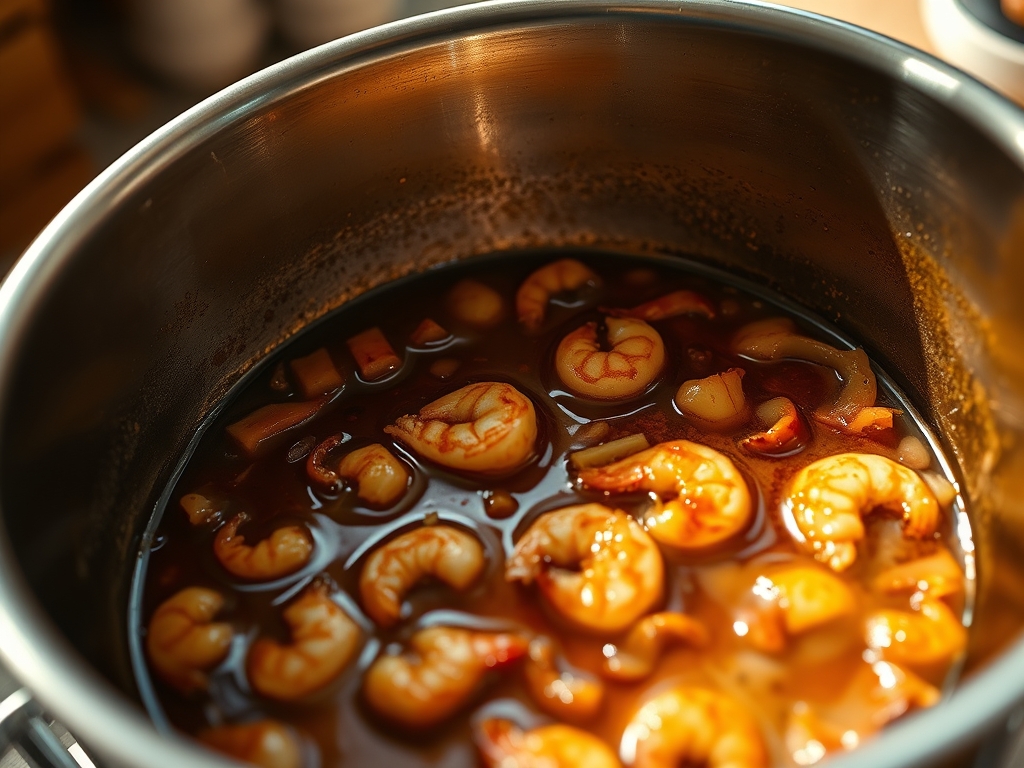
1. Surface Dehydration and Calibration
The first law of the air fryer is that moisture is the enemy of the crisp. Use a digital scale to weigh your spices for consistency. Place your cleaned shrimp on a tray lined with paper towels. Use a second layer of towels to press down firmly.
Pro Tip: Removing surface moisture allows the oil to create a thin, even film. If the shrimp are wet, the air fryer will spend the first three minutes steaming the protein rather than roasting it. Use a bench scraper to move the shrimp efficiently without bruising the delicate flesh.
2. The Lipid and Spice Infusion
In a stainless steel saucier or mixing bowl, whisk together the olive oil, paprika, garlic powder, cayenne, salt, and pepper. Toss the shrimp into the mixture, ensuring every crevice is coated.
Pro Tip: The oil acts as a heat-transfer medium. In a convection environment, the oil captures the moving hot air and concentrates it against the shrimp skin. This accelerates the rendering of any remaining surface moisture and triggers the Maillard reaction, which is responsible for that deep, savory "browned" flavor.
3. Thermal Loading and Distribution
Preheat your air fryer to 200C / 400F. Arrange the shrimp in a single layer in the basket. Do not stack them. If you overcrowd the chamber, you disrupt the airflow, leading to uneven thermal distribution and "cold spots" where the shrimp remain translucent and soft.
Pro Tip: Maintaining "thermal headspace" between each shrimp ensures the air can aerate the entire surface area. This results in a uniform snap. Use professional silicone-tipped tongs to arrange the shrimp; metal tongs can tear the protein fibers if handled too aggressively.
4. The Agitation Phase
Set the timer for 8 minutes. At the 4-minute mark, remove the basket and give it a vigorous shake. This re-distributes the residual oil and ensures the underside of the shrimp receives direct contact with the high-velocity air.
Pro Tip: This agitation prevents the shrimp from sticking to the basket grate. It also ensures that the spices do not burn in one spot. A consistent shake mimics the movement of a professional sauté cook, maintaining a dynamic heat environment.
5. The Acidic Finish
Once the timer expires, the shrimp should be opaque and curled into a "C" shape. Immediately transfer them to a clean bowl and toss with the fresh lemon juice and parsley.
Pro Tip: Adding the lemon juice at the end prevents the acid from "cooking" the shrimp via denaturation before they hit the heat. This preserves the bright, viscous quality of the juices and provides a sharp contrast to the smoky, roasted notes of the paprika.
Section B: Prep & Timing Fault-Lines:
The most common human error is the "Over-Cook." Shrimp have a very narrow window of perfection. If they curl into a tight "O" shape, the proteins have contracted too much, squeezing out all internal moisture. This results in a "rubbery" texture. Use a digital instant-read thermometer if you are unsure; the internal temperature should hit 49C / 120F. Another fault-line is failing to preheat. Starting in a cold chamber leads to a slow temperature ramp-up, which causes the shrimp to leak liquid and stew in their own juices rather than searing.
THE VISUAL SPECTRUM
Section C: Thermal & Visual Troubleshooting:
Referencing the Masterclass photo, your Air Fryer Shrimp should exhibit a vibrant, orange-red hue with localized charred "freckles" where the spices have caramelized. If your shrimp look pale or grey, your temperature was too low or your basket was overcrowded. If the edges look shriveled and dry, you likely skipped the oil coating or exceeded the 8-minute threshold. The parsley should remain a vivid green; if it turns dark or black, it was added too early in the thermal cycle. The "snap" should be visible in the tension of the shrimp's curve; a limp shrimp is an undercooked or moisture-saturated shrimp.
THE DEEP DIVE
Macro Nutrition Profile:
A standard serving (approx. 115g) contains roughly 120 calories, 23g of protein, 3g of fat, and 1g of carbohydrates. This makes it an elite-tier protein source for those monitoring caloric density.
Dietary Swaps:
- Vegan: Replace shrimp with extra-firm tofu cubes or oyster mushrooms. Increase the oil slightly to compensate for the lack of natural fats.
- Keto/GF: This recipe is naturally Keto and Gluten-Free. To increase healthy fats, serve with a side of garlic-infused avocado oil mayo.
Meal Prep & Reheating Science:
To maintain molecular structure during reheating, avoid the microwave. The microwave excites water molecules, causing the shrimp to become tough. Instead, flash-fry them in the air fryer at 180C / 350F for exactly 2 minutes. This restores the exterior crispness without further tightening the internal protein coils.
THE KITCHEN TABLE
Can I use pre-cooked shrimp for this?
Technically yes, but it is not recommended. Re-heating pre-cooked shrimp in an air fryer will almost certainly lead to a rubbery, over-processed texture. Stick to raw, thawed shrimp for the best structural integrity and flavor absorption.
Why is my shrimp sticking to the basket?
This usually indicates a lack of oil or a failure to preheat. The high heat creates an immediate sear that releases the protein from the metal. Ensure you use a light coating of oil or a high-smoke-point spray.
Is it necessary to devein the shrimp?
While the "vein" is technically the digestive tract and safe to eat, it often contains grit that ruins the mouthfeel. For a professional-grade result, always devein. It ensures a clean, uniform flavor profile across the entire batch.
Can I put frozen shrimp directly in the air fryer?
You can, but the quality will suffer. The exterior will overcook before the interior thaws. For the best thermal conductivity, thaw them in a bowl of cold water for 15 minutes and dry them thoroughly before seasoning.