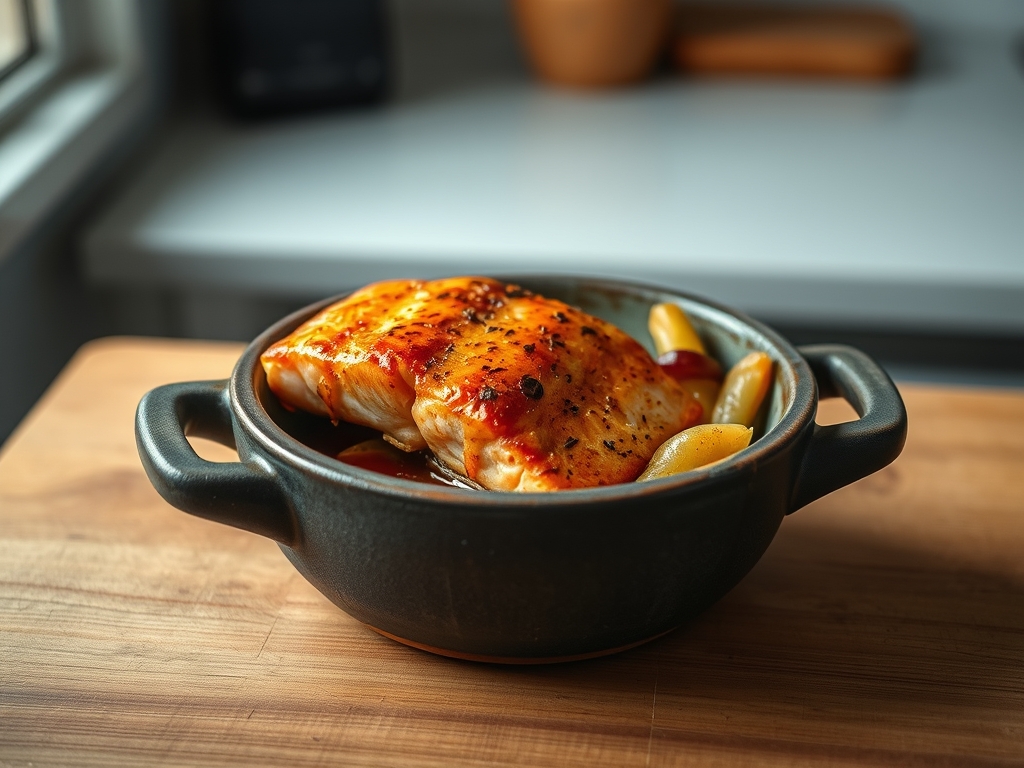
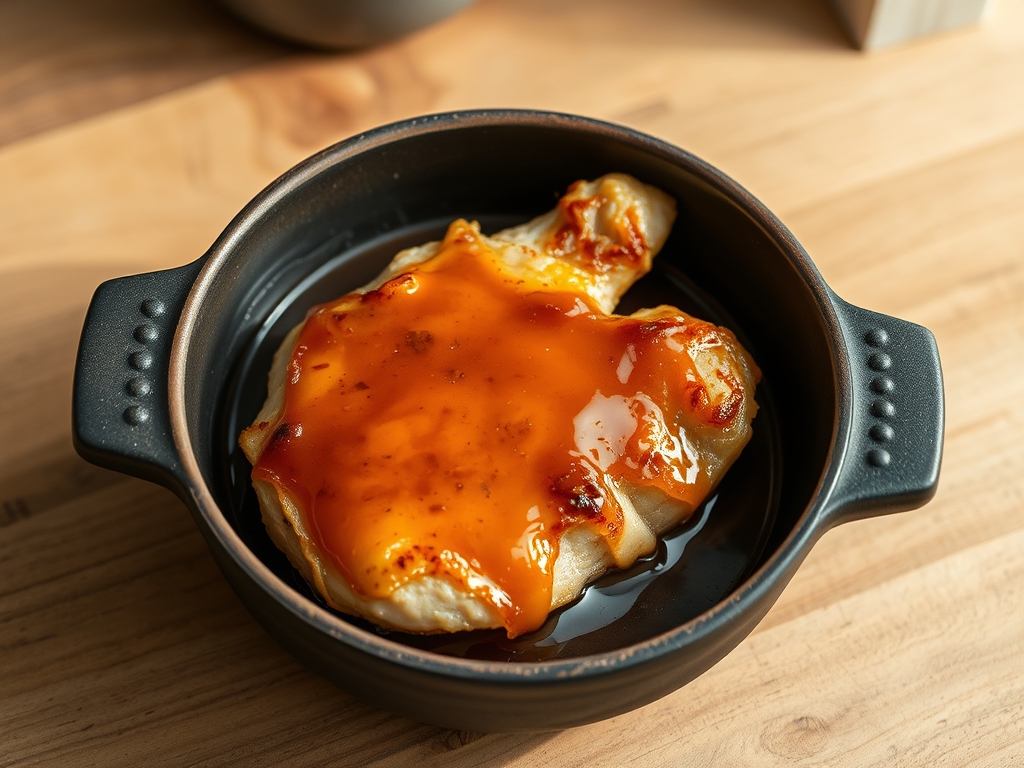
Listen to the sound of a high-velocity fan spinning at three thousand revolutions per minute. That is the sound of structural integrity being forged in a plastic-clad wind tunnel. We are not just cooking; we are engineering a thermodynamic masterpiece. The Air Fryer Chicken Breast is the ultimate litmus test for any culinary infrastructure. When executed with precision, the result is a paradoxical marvel: a crust that shatters like glass and an interior that remains a reservoir of succulent moisture. Most home cooks fail because they treat the air fryer like a microwave. It is not. It is a miniaturized convection furnace. We are harnessing the power of forced air to trigger the Maillard reaction in record time. If you want rubbery, pallid protein, look elsewhere. If you want a gold-standard asset that anchors your weekly meal prep with the efficiency of a Swiss timepiece, you are in the right place. Let us audit your technique and optimize your output for maximum gastronomic yield.
THE DATA MATRIX
| Metric | Specification |
|---|---|
| Prep Time | 10 Minutes |
| Execution Time | 12 to 15 Minutes |
| Yield | 2 Servings |
| Complexity (1-10) | 3 (Low) |
| Estimated Cost per Serving | $3.50 USD |
THE GATHERS
Ingredient Protocol:
- 2 Large Boneless Skinless Chicken Breasts (approx. 450g / 1 lb)
- 15ml / 1 tbsp Extra Virgin Olive Oil
- 5g / 1 tsp Smoked Paprika
- 3g / 0.5 tsp Garlic Powder
- 3g / 0.5 tsp Onion Powder
- 2g / 0.25 tsp Dried Oregano
- 5g / 1 tsp Kosher Salt
- 2g / 0.5 tsp Freshly Cracked Black Pepper
Section A: Ingredient Quality Audit:
Sub-par raw materials are the primary cause of structural failure in poultry. If your chicken exhibits "woody breast" syndrome (a textural defect characterized by hard, pale muscle fibers), no amount of convection will save it. Inspect your protein for white striations running parallel to the muscle fibers. If present, reject the batch. Furthermore, ensure your spices are not oxidized. If your paprika lacks a piquant aroma, it will fail to infuse the crust with the necessary depth. Always utilize a digital scale for your dry rub to ensure consistent salinity across every audit.
THE MASTERCLASS
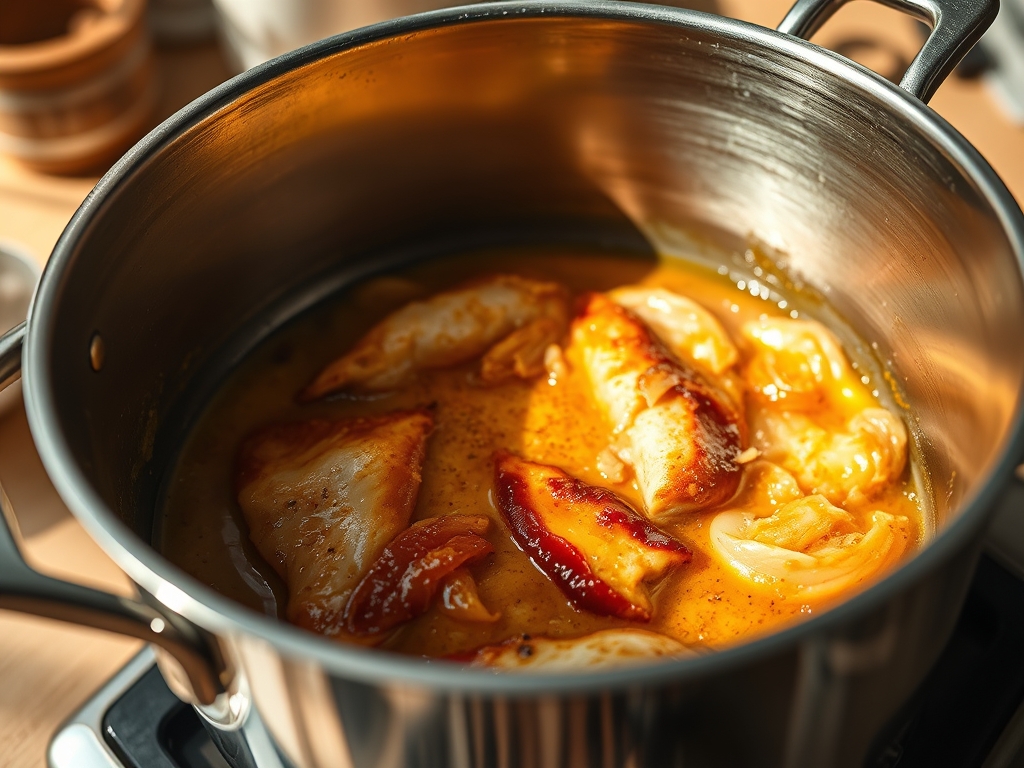
Step 1: The Mechanical Tenderization
Uniformity is the bedrock of thermal efficiency. Use a meat mallet or a heavy-bottomed saucier to pound the thickest part of the breast until it matches the thickness of the tail. Aim for a consistent 2.5cm / 1-inch thickness across the entire profile.
Pro Tip: This mechanical intervention breaks down tough connective tissues and ensures that the heat energy penetrates the core at a synchronized rate, preventing the edges from overcooking before the center reaches safety.
Step 2: Surface Dehydration and Lubrication
Pat the chicken dry with industrial-strength paper towels. Moisture is the enemy of the Maillard reaction. Once dry, apply the olive oil. This acts as a heat transfer medium and ensures the dry rub adheres to the surface without clumping.
Pro Tip: Use a bench scraper to move the seasoned breasts onto your prep station to maintain clean lines and prevent cross-contamination. The oil creates a viscous barrier that helps render the surface fats into a crisp veneer.
Step 3: The Seasoning Matrix
Combine all dry ingredients in a small bowl and whisk to aerate the mixture. Coat the chicken liberally on all sides. Do not neglect the edges; every millimeter of surface area is an opportunity for flavor development.
Pro Tip: Salt acts as a denaturant. By seasoning at least 15 minutes before cooking, you allow the salt to penetrate the protein structure, which helps the meat retain its internal moisture during the high-heat convection cycle.
Step 4: The Convection Cycle
Preheat your air fryer to 200C / 400F for five minutes. Place the chicken in the basket, ensuring there is at least 2cm of clearance between the pieces for optimal airflow. Cook for 12 to 15 minutes, flipping at the halfway mark.
Pro Tip: Use an instant-read thermometer to pull the chicken at 71C / 160F. Carry-over cooking will bring the internal temperature to the USDA-recommended 74C / 165F while the meat rests, preserving the cellular integrity of the juices.
Section B: Prep & Timing Fault-Lines:
The most common human error is the "crowded basket" syndrome. If the air cannot circulate, you are essentially steaming the meat, which leads to a gray, rubbery texture. Another critical failure is neglecting the preheat phase. Starting in a cold chamber results in a sluggish temperature ramp-up, which dries out the interior before the exterior can brown. Use a stopwatch to track your cycles and eliminate guesswork.
THE VISUAL SPECTRUM
Section C: Thermal & Visual Troubleshooting:
Observe the reference image above. The "look" of a successful Air Fryer Chicken Breast is defined by a deep mahogany hue with localized charred highlights on the ridges. If your chicken looks pale or "dusty," you have used too much dry rub and not enough oil; the spices have dehydrated rather than fried. If the edges are burnt but the center is pink, your mechanical tenderization was insufficient. The surface should appear glistening, indicating that the oil and natural fats have emulsified with the spices to create a savory lacquer.
THE DEEP DIVE
Macro Nutrition Profile:
A standard 150g serving provides approximately 280 calories, 42g of protein, 10g of fat, and 0g of carbohydrates. This makes it a high-density protein asset for any metabolic regimen.
Dietary Swaps:
- Vegan: Substitute the chicken with extra-firm tofu pressed for 30 minutes. Increase the cooking time by 5 minutes to ensure a crisp exterior.
- Keto: This recipe is naturally keto-compliant. For added fats, serve with a side of compound butter.
- GF: Ensure your spice blends are certified gluten-free to avoid hidden thickening agents.
Meal Prep & Reheating Science:
To maintain molecular structure during reheating, avoid the microwave. The high-frequency waves cause the protein fibers to tighten and expel moisture. Instead, use the air fryer at 175C / 350F for 3 to 4 minutes. This restores the crispness of the exterior while gently warming the core through convection rather than radiation.
THE KITCHEN TABLE
Why is my chicken breast always dry?
You are likely overcooking it. Use a digital thermometer to pull the meat at 71C. The temperature will rise during the rest period. Without a thermometer, you are essentially flying a plane without an altimeter.
Can I use frozen chicken breasts?
Technically yes, but it is not recommended for high-quality results. Frozen poultry releases excess moisture during the thaw-cook cycle, which prevents the Maillard reaction. For the best infrastructure, always use fully thawed, room-temperature protein.
Do I need to use parchment paper?
Avoid it if possible. Parchment paper obstructs the airflow holes in the basket, which are essential for the convection effect. If you must use it for cleanup, use perforated liners designed specifically for air fryers.
What is the best way to slice it?
Always slice against the grain. Look for the direction the muscle fibers are running and cut perpendicular to them. This shortens the fibers, making every bite feel more tender and easier to masticate.